

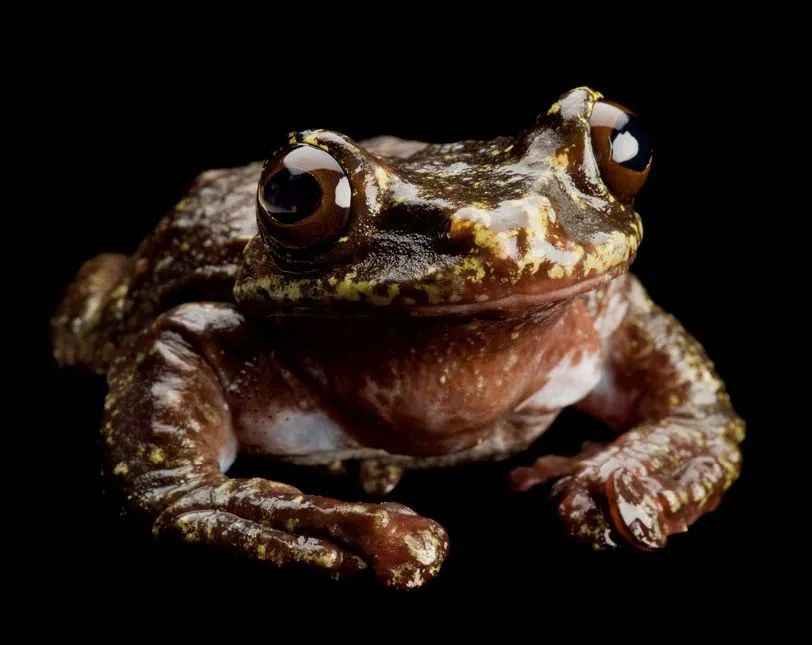
Last Panama Tree Frog "Xiaoyinghan" Dies, Species Declared Extinct
Reporting from Beijing — In 2016, the global scientific community mourned the passing of Xiaoyinghan (Little Tough Guy), the last known Panamanian tree frog (scientific name: Ecnomiohyla panamensis), which breathed its last in an artificial breeding tank at the Atlanta Botanical Garden. The death of this 12-year-old male frog officially marked the complete extinction of the species from Earth.
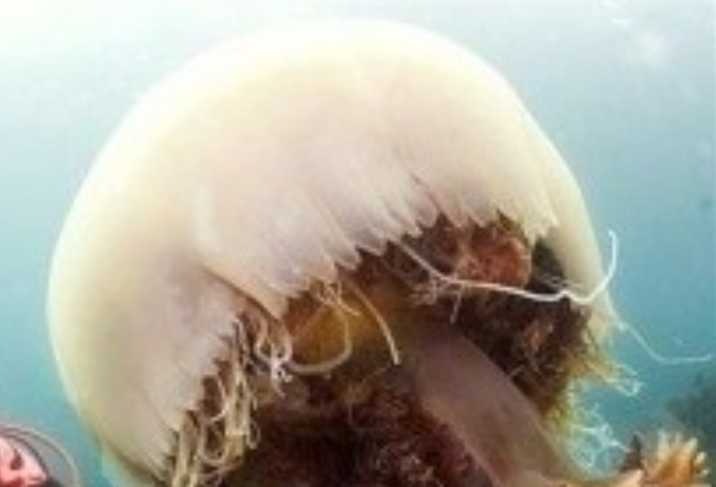
The Lion's Mane Jellyfish: The Ocean's Gigantic, Frilly Predator of the Cold Depths
The lion's mane jellyfish (Cyanea capillata) is a majestic and imposing creature, renowned as one of the largest jellyfish species in the world. Found in cold, boreal waters of the Arctic, North Atlantic, and North Pacific oceans, its name stems from its striking appearance—long, flowing tentacles resembling a lion's mane, which give it both beauty and a fearsome reputation as a predator.
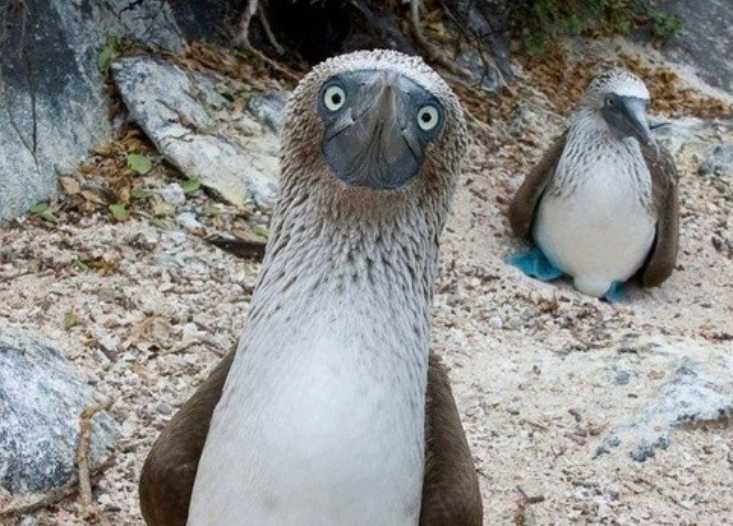
The Blue-Footed Booby: Galápagos’ Colorful Seabird with a Dashing Mating Dance
Native to the tropical and subtropical coasts of the eastern Pacific Ocean, the blue-footed booby (Sula nebouxii) is an iconic seabird best known for its most striking feature—bright blue feet that range from a pale turquoise to a vivid cobalt. Made famous by the Galápagos Islands, this charismatic bird has captivated scientists and nature lovers with its unique appearance and elaborate courtship rituals.
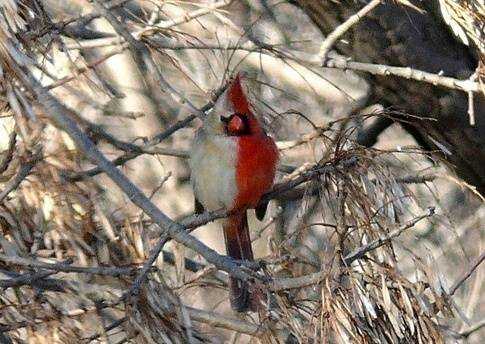
The Gynandromorphic Northern Cardinal: A Rare Avian Wonder with Split Sexual Identity
The northern cardinal (Cardinalis cardinalis) is renowned for its striking sexual dimorphism—males dazzle in vibrant red plumage, while females sport subtle brown tones. Yet occasionally, a rare phenomenon occurs: gynandromorphism, where an individual displays both male and female traits. These "split-sex" cardinals captivate scientists, offering unique insights into avian sex determination and development.
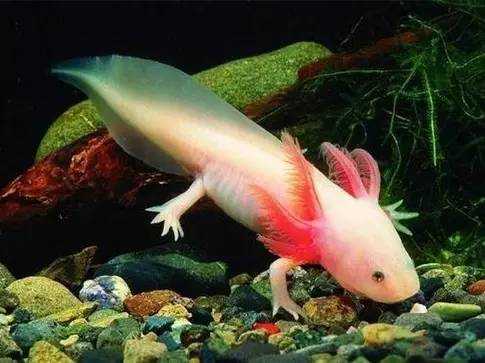
The Axolotl: Mexico’s Remarkable 'Walking Fish' and Genetic Marvel
Native to the freshwater lakes of Mexico City, the axolotl (Ambystoma mexicanum) is a salamander unlike any other—renowned for its permanent larval form, vibrant pinkish hue, and extraordinary regenerative abilities. Often called the "walking fish" due to its aquatic lifestyle, this critically endangered species has captivated scientists for centuries, serving as a key model in developmental biology.
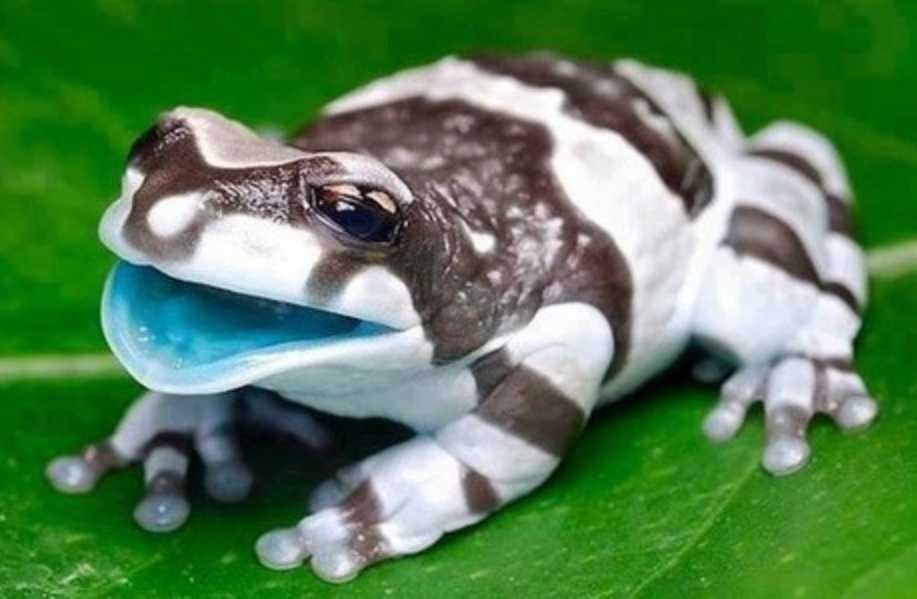
The Amazon Milk Tree Frog: Nature’s Vibrant Green Amphibian with a Milky Defense
Native to the rainforests of northern South America, the Amazon milk tree frog (Trachycephalus resinifictrix) is a striking amphibian renowned for its vivid coloration and unique defensive adaptation. Found in the canopy of tropical forests from Venezuela to Brazil, this arboreal frog has captivated herpetologists with its bold appearance and the milky-white toxin it secretes when threatened.
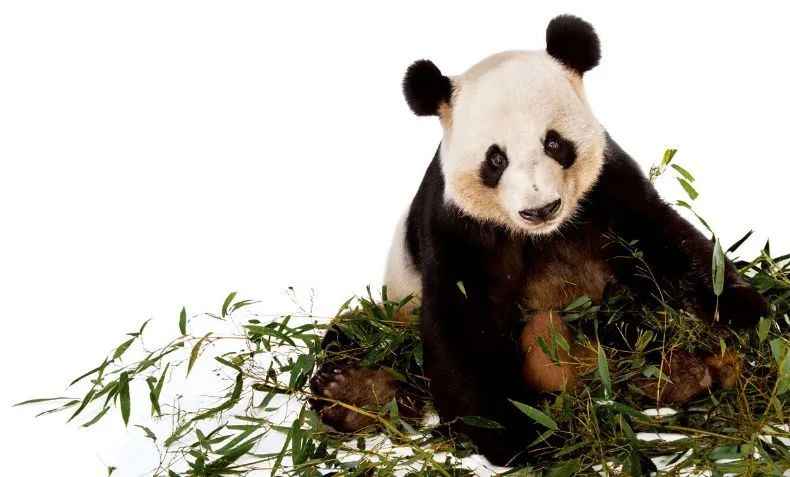
Vulnerable Giant Pandas: China’s Conservation Success and Ongoing Challenges
China’s iconic giant pandas (Ailuropoda melanoleuca), classified as "Vulnerable" on the IUCN Red List, have seen their wild population rebound to nearly 1,900 individuals through decades of conservation efforts, according to the latest data from China’s National Forestry and Grassland Administration. This marks a significant recovery from the 1980s, when fewer than 1,100 pandas roamed the wild. Despite this progress, habitat fragmentation, climate change, and bamboo die-offs continue to threaten their long-term survival