The Silkie Chicken: A Regal Ornamental Fowl with Luxurious Plumage


Animal Information
The Silkie Chicken: A Regal Ornamental Fowl with Luxurious Plumage

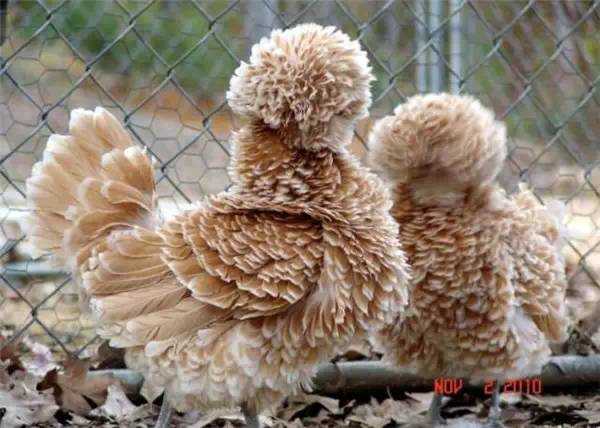
Native to China and Southeast Asia, the Silkie chicken, often called the "贵妇鸡" (noble chicken) in Chinese, has captivated poultry enthusiasts for centuries with its distinctive appearance: fluffy, silk - like feathers, a black - skinned body, and a regal demeanor. This ancient breed, prized for its ornamental value and gentle temperament, stands out as one of the most unique domestic fowls worldwide.


Source: Images from the Internet, if there is any infringement, please contact the removal of


A Feathered Royalty: Physical Traits

The Silkie’s most iconic feature is its plumage—soft, frizzled feathers lacking the barbules that give typical chicken feathers a smooth texture, creating a plush, fur - like appearance. Feather colors range from pure white to black, blue, or splash patterns. Other distinctive traits include:


  • Black Skin & Bones: A genetic trait thought to enhance its medicinal value in traditional Chinese medicine.
  • Blue Ears & Crest: A vibrant blue patch around the ears and a tuft of feathers on the head, adding to its aristocratic look.
  • Five Toes: Uncommon in chickens, giving it a sturdier stance.
  • Docile Demeanor: Known for its calm, friendly nature, often used as a therapy animal or family pet.

Cultural Significance and Modern Role

Historically, Silkies were kept by Chinese nobility and featured in ancient texts for their "magical" properties. In the West, they became popular in Victorian poultry shows, admired for their exotic appearance. Today, they serve multiple roles:


  • Ornamental Pet: Valued for their unique looks and gentle temperament.
  • Therapy Animal: Their calm nature makes them suitable for interacting with children and the elderly.
  • Broody Hen: Renowned for their strong maternal instincts, often used to hatch eggs of other breeds.
  • Culinary & Medicinal Use: Still consumed in some cultures for their believed health benefits, though modern breeding focuses on aesthetics.


Listed as "Watch" by the American Livestock Breeds Conservancy, Silkies face no immediate extinction risk but rely on dedicated breeders to preserve their unique traits. Their blend of exotic beauty and docile charm continues to make them a living symbol of poultry breeding’s artistry—proof that some creatures are born to wear feathers fit for royalty.
Latest Stories
Industry News1 minute readG20 finance ministers and central bank governors have issued a joint communiqué, committing to enhance international policy cooperation and sending a signal in support of multilateralism. They emphasized the need to end global trade conflicts soon and called on the U.S. and Europe to reach a fair agreement on tariffs.
Animal Information1 minute readIn the arid deserts of South America, an endangered pig-like species known locally as "taguá" (Chacoan peccary, Catagonus wagneri) is fighting for survival. These remarkable creatures have adapted uniquely to thrive in harsh desert conditions, with their diet centered on spiky cacti—an unusual food source that few other animals can exploit.
Animal Information1 minute readBeneath the waters of the Missouri River basin resides a creature that stands as a living testament to Earth's ancient past—the pallid sturgeon (Scaphirhynchus albus). Dubbed a "living fossil," this substantial fish traces its lineage back to the age of dinosaurs, persisting through tens of millions of years of geological shifts and biological evolution in these river systems.
Industry News1 minute readMicrosoft and the U.S. Idaho National Laboratory (INL) announced a partnership on July 16 to use AI in new nuclear plant licensing, aiming to drastically shorten the process. The move responds to Trump’s executive order to cut nuclear licensing to 18 months, addressing growing energy demands from AI data centers.
Industry News1 minute readThe U.S. Federal Communications Commission (FCC) announced plans on July 16 to introduce new rules, fully prohibiting any submarine communication cables containing Chinese technology or equipment from connecting to U.S. networks.
Feline News2 minute readThe Himalayan cat, a captivating fusion of Persian and Siamese genetics, has enchanted cat enthusiasts worldwide with its striking blue eyes and luxurious coat. Bred since the 1930s, this breed gained official recognition in 1957 when breeders Ben and Ann Borrett debuted their specimens at a cat show, setting standards adopted by organizations like the CFA . Nicknamed "Himmies," these cats balance elegance with affectionate charm, though their popularity demands careful attention to health and grooming.
Feline News1 minute read[Nashville, July 18th] —— The Tennessee Rex, a uniquely American cat breed celebrated for its naturally curly fur, is gaining recognition among pet enthusiasts worldwide. This distinctive feline traces its origins to a chance discovery in 2004 in Tennessee, where a stray cat gave birth to a litter containing a kitten with unusually soft, curly hair—a natural genetic mutation that marked the breed's beginning.