The Pistol Shrimp: Nature’s Underwater Sonic Boom Specialist


Animal Information
The Pistol Shrimp: Nature’s Underwater Sonic Boom Specialist

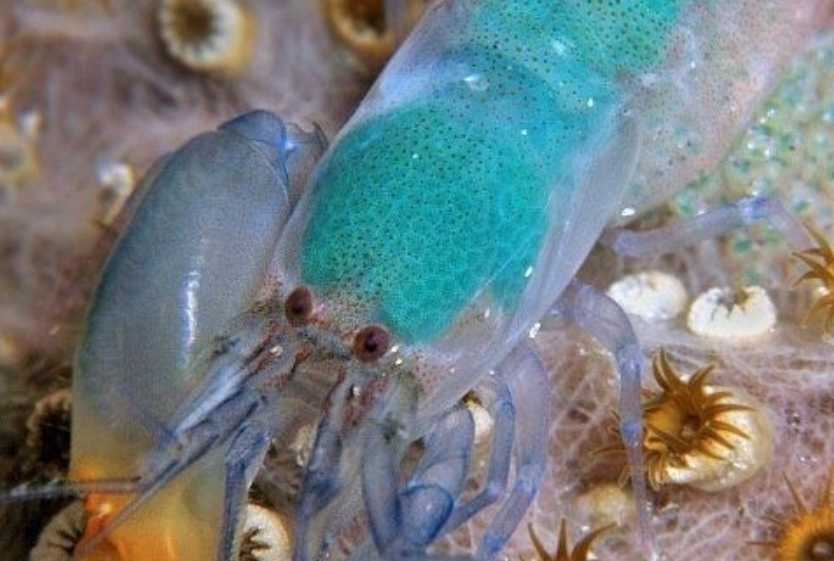
The pistol shrimp, also known as the "snapping shrimp," is a fascinating crustacean renowned for its ability to create a powerful sonic boom using a specialized claw. Found in tropical and subtropical marine environments worldwide, this small but mighty creature has evolved one of nature’s most remarkable acoustic weapons.

The Claw That Shoots Water Bullets

The pistol shrimp’s defining feature is its oversized, asymmetrical claw, which can grow up to half the length of its body. This claw functions like a piston:


  • A hinged "dactyl" (finger) slides into a socket, building up pressure. When released, it fires a high-velocity jet of water, creating a cavitation bubble.
  • The collapsing bubble generates a shockwave reaching 210 decibels—louder than a gunshot—capable of stunning prey, breaking glass, or even interfering with sonar equipment.
  • The process happens in just 3 milliseconds, with the bubble’s interior briefly reaching temperatures near 4,700°C (similar to the sun’s surface), though this is short-lived.

Lifestyle and Symbiotic Relationships

Pistol shrimp typically live in burrows on the ocean floor, often in partnership with goby fish. The goby acts as a lookout, warning the shrimp of approaching predators, while the shrimp maintains the burrow. These social shrimp are also known for their:


  • Diet: Feeding on small fish, crustaceans, and organic matter stunned by their sonic blasts.
  • Communication: Using clicks and snaps not only for hunting but also to communicate with colony members in species like Synalpheus.
  • Regeneration: If the pistol claw is lost, it can regrow as a smaller, functional claw, while the other claw may evolve into a new pistol claw.

Ecological and Scientific Significance

In marine ecosystems, pistol shrimp play a role in aerating sediments and controlling prey populations. Their unique ability has inspired researchers in:


  • Sonar and Underwater Acoustics: Studying how they minimize self-damage from their own blasts.
  • Cavitation Research: Insights into bubble dynamics for medical technologies or underwater propulsion.
    While not endangered, they face threats from coastal pollution and habitat destruction. Their incredible adaptation serves as a reminder of the ocean’s hidden wonders—proof that even tiny creatures can wield extraordinary power in the world’s waters.

Latest Stories
Feline News2 minute readThe Kurilian Bobtail Longhair, a captivating breed hailing from Russia’s Sakhalin Island and the Kuril Archipelago, has emerged as a fascinating subject in the international feline community. With its distinctive bobbed tail and striking appearance, this natural breed is garnering recognition for its unique history, robust health, and affectionate demeanor.
Life News2 minute readOn the streets and alleys of Italy, gelato is more than just a refreshing dessert; it is a vivid embodiment of the country's culinary philosophy. Compared to the common American ice cream, this Italian classic has become an irreplaceable culinary symbol in the hearts of food lovers worldwide, thanks to its unique craftsmanship and texture.
Feline News2 minute readIn 1982, a bald kitten with an unusual genetic mutation emerged in a barn on an Oregon cherry farm, marking the accidental birth of one of the world’s most distinctive feline breeds—the LaPerm. This curly-coated wonder, named for its "wavy" or "rippled" fur, has since captivated cat lovers globally with its unique appearance and playful personality .
Feline News1 minute readThe Brazilian Shorthair, a distinctive feline breed native to Brazil, has captivated cat enthusiasts with its charming personality and adaptable nature. Originating from the country's street cats, the breed was formally recognized in the 1980s after decades of selective breeding to preserve its unique traits.
Feline News1 minute readIn recent days, a cat named Marguerite has quietly risen to fame in a suburban community. The 3-year-old orange-and-white feline, once a street stray, has now become a "heartwarming bond" connecting neighbors.
Feline News2 minute readOriginating from the city of Rostov-on-Don in Russia, the Donskoy cat, also known as the Don Sphynx, has captivated feline enthusiasts worldwide with its unique appearance and affectionate demeanor. First discovered in 1987 when Professor Elena Kovaleva rescued a hairless kitten named Varvara, the breed emerged from a natural genetic mutation that resulted in a lack of fur. Varvara’s subsequent litters produced both haired and hairless kittens, leading breeder Irina Nemykina to develop the Donskoy through selective breeding with European Shorthairs. Recognized by The International Cat Associat
Feline News2 minute readThe Nebelung, a captivating feline often mistaken for the Russian Blue, is a rare breed celebrated for its striking appearance and gentle demeanor. Originating in the U.S. during the 1980s, this breed emerged from intentional crossbreeding to replicate the elegance of Victorian-era long-haired blue cats. Named after the German word "nebel" (meaning "mist"), the Nebelung’s silvery-tipped blue-gray coat evokes a misty aura, while its green or yellow-green eyes add to its enigmatic charm.