The Axolotl: Mexico’s Remarkable 'Walking Fish' and Genetic Marvel


Animal Information
The Axolotl: Mexico’s Remarkable 'Walking Fish' and Genetic Marvel

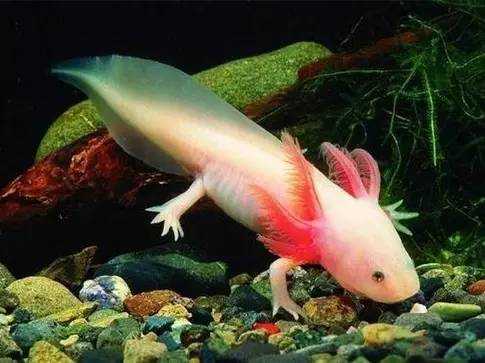
Native to the freshwater lakes of Mexico City, the axolotl (Ambystoma mexicanum) is a salamander unlike any other—renowned for its permanent larval form, vibrant pinkish hue, and extraordinary regenerative abilities. Often called the "walking fish" due to its aquatic lifestyle, this critically endangered species has captivated scientists for centuries, serving as a key model in developmental biology.

Perpetual Youth and Regenerative Superpowers

  • Neoteny: Stuck in Adolescence
    Unlike most salamanders, axolotls never undergo metamorphosis, retaining gills, a tail fin, and larval features throughout their lives. This trait, called neoteny, allows them to reproduce while still in their larval stage, a rare adaptation in vertebrates.
  • Regrowth on Demand
    The axolotl’s most iconic ability is regrowing entire limbs, spinal cord segments, eyes, and even parts of the brain without scarring. Researchers have identified genes like Pax3 and Msx1 that drive this process, inspiring studies on human tissue regeneration. Their cells maintain a unique "memory" of original structures, guiding precise rebuilding.

Appearance and Cultural Significance

  • Distinctive Features
    With a stocky body reaching 20–30 cm, feathery external gills, and a wide, lidless smile, axolotls have a permanently juvenile appearance. Wild individuals are typically dark brown with gold speckles, while captive-bred ones range from albino pink to leucistic white. Their paddle-like feet allow them to "walk" along lake bottoms, hunting worms, insects, and small fish.
  • Aztec Roots and Modern Peril
    In Aztec culture, the axolotl was associated with the god Xolotl, symbolizing death and rebirth. Today, it faces existential threats: urbanization has drained its native lakes, invasive fish like tilapia prey on eggs, and water pollution disrupts its habitat. Once abundant in Lake Xochimilco, fewer than 1,000 individuals may remain in the wild, though thousands exist in laboratories and aquariums.

Scientific Hope and Conservation Efforts

  • Lab Star and Genetic Goldmine
    Axolotls were the first amphibians to have their genome sequenced (32 billion base pairs, 10 times larger than the human genome), revealing secrets of regeneration. Their cells are used to study cancer, spinal cord injuries, and aging.
  • Saving the 'Water Monster'
    Mexican conservationists are restoring wetland habitats, breeding axolotls in captivity for reintroduction, and educating locals about their importance. The species is listed as "Critically Endangered" by the IUCN, with organizations like the Axolotl Survival Consortium leading efforts to prevent its extinction.


As a living link to ancient Mexican ecosystems and a biological wonder, the axolotl embodies both the fragility and resilience of life. Its ability to regrow what’s lost serves as a metaphor for hope in conservation—and a reminder that even in the most urbanized corners of the world, nature’s miracles may still be saved.
Latest Stories
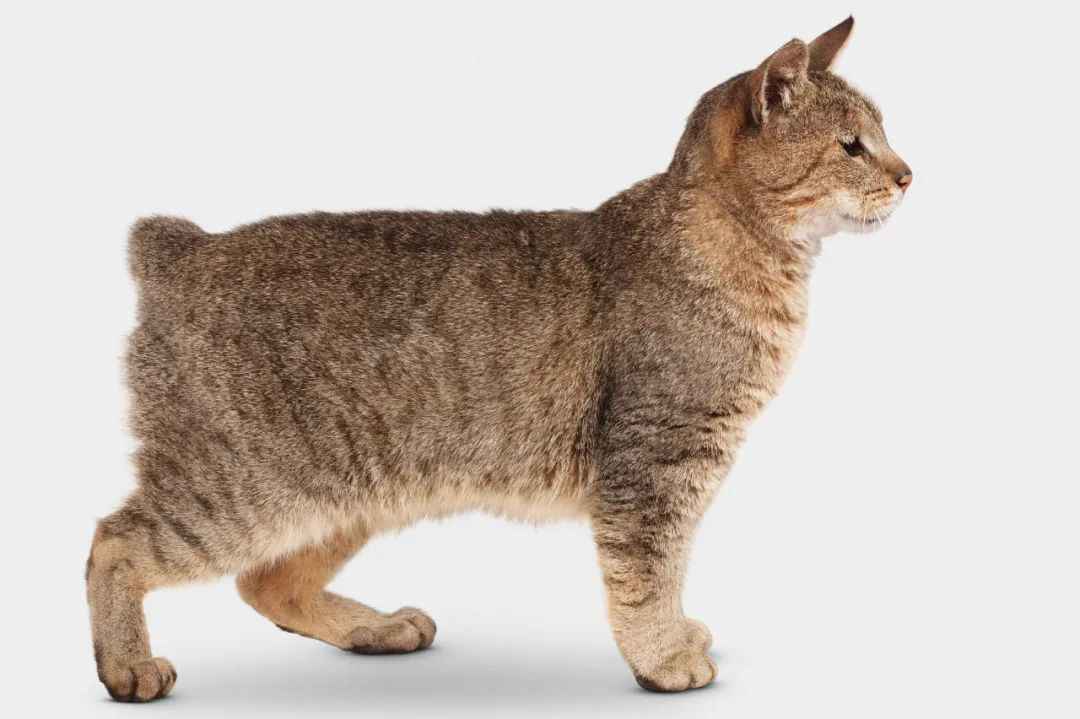
Feline News2 minute readThe Kurilian Bobtail Longhair, a captivating breed hailing from Russia’s Sakhalin Island and the Kuril Archipelago, has emerged as a fascinating subject in the international feline community. With its distinctive bobbed tail and striking appearance, this natural breed is garnering recognition for its unique history, robust health, and affectionate demeanor.
Life News2 minute readOn the streets and alleys of Italy, gelato is more than just a refreshing dessert; it is a vivid embodiment of the country's culinary philosophy. Compared to the common American ice cream, this Italian classic has become an irreplaceable culinary symbol in the hearts of food lovers worldwide, thanks to its unique craftsmanship and texture.
Feline News2 minute readIn 1982, a bald kitten with an unusual genetic mutation emerged in a barn on an Oregon cherry farm, marking the accidental birth of one of the world’s most distinctive feline breeds—the LaPerm. This curly-coated wonder, named for its "wavy" or "rippled" fur, has since captivated cat lovers globally with its unique appearance and playful personality .
Feline News1 minute readThe Brazilian Shorthair, a distinctive feline breed native to Brazil, has captivated cat enthusiasts with its charming personality and adaptable nature. Originating from the country's street cats, the breed was formally recognized in the 1980s after decades of selective breeding to preserve its unique traits.
Feline News1 minute readIn recent days, a cat named Marguerite has quietly risen to fame in a suburban community. The 3-year-old orange-and-white feline, once a street stray, has now become a "heartwarming bond" connecting neighbors.
Feline News2 minute readOriginating from the city of Rostov-on-Don in Russia, the Donskoy cat, also known as the Don Sphynx, has captivated feline enthusiasts worldwide with its unique appearance and affectionate demeanor. First discovered in 1987 when Professor Elena Kovaleva rescued a hairless kitten named Varvara, the breed emerged from a natural genetic mutation that resulted in a lack of fur. Varvara’s subsequent litters produced both haired and hairless kittens, leading breeder Irina Nemykina to develop the Donskoy through selective breeding with European Shorthairs. Recognized by The International Cat Associat
Feline News2 minute readThe Nebelung, a captivating feline often mistaken for the Russian Blue, is a rare breed celebrated for its striking appearance and gentle demeanor. Originating in the U.S. during the 1980s, this breed emerged from intentional crossbreeding to replicate the elegance of Victorian-era long-haired blue cats. Named after the German word "nebel" (meaning "mist"), the Nebelung’s silvery-tipped blue-gray coat evokes a misty aura, while its green or yellow-green eyes add to its enigmatic charm.