Rays are a collective term for numerous flattened cartilaginous fishes in the orders Rajiformes and Myliobatiformes within the class Chondrichthyes. Below is a detailed introduction to these unique marine creatures:
Physical Characteristics
- Body Shape
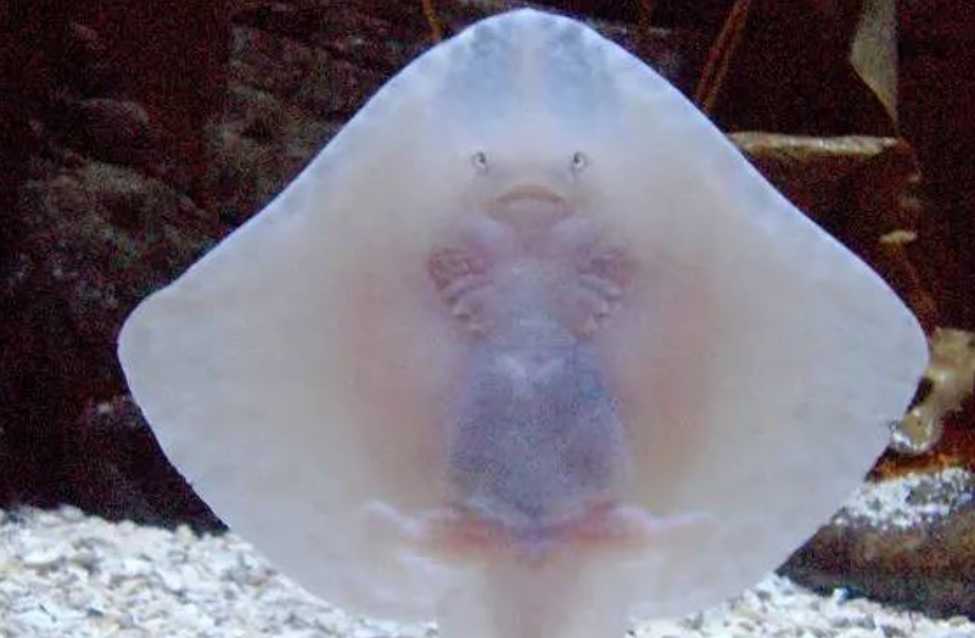
Rays have flattened, circular, rhomboid, or diamond-shaped bodies with broad pectoral fins extending from the snout to the slender tail, resembling a fan or wings. This shape allows them to "fly" through water. The pelvic fins fuse with the trunk to form a flat disc, while the tail fin is often short or absent. - Head Structure
The head connects directly to the body without a distinct neck. Eyes and spiracles (respiratory openings) sit on the top of the head, enabling them to observe above while lurking on the seabed. Mouths, nostrils, and gill slits are located on the underside, adapted for a benthic lifestyle. - Skin and Coloration
Skin is typically smooth. Many species have monochromatic bodies, while some sport ridges, spines, or weak electric organs in the tail. Coloration varies from brown, black, or gray to patterned designs, helping them blend with the seafloor for camouflage. - Size Variation
Rays range drastically in size: small species measure about 50 cm as adults, while the largest can reach up to 8 meters.
Lifestyle and Behavior
- Habitat
Found in most global water bodies, from tropical to near-Arctic regions and shallow seas to depths of 2,700 meters. They primarily inhabit the seafloor, often partially buried in sand, and frequent coral reefs, rocky areas, and continental shelf shallows. - Diet
Carnivorous, feeding on mollusks, crustaceans, and fish. Juveniles prey on crabs and lobsters, while adults target squid and other mollusks. They locate prey via smell, then swoop down from above to ambush. - Activity Patterns
Most rays are sedentary bottom-dwellers with slow movements. They are more active at night, lurking in seabed sand during the day to conserve energy and avoid predators.
Reproduction
Rays are oviparous. Their eggs, called "mermaid's purses," are rectangular with a leathery shell and often wash ashore. Males have specialized copulatory organs (claspers) for internal fertilization. Females lay eggs in suitable environments, which hatch externally.
Species Classification
With over 100 known species, rays are divided into multiple families and genera. Common types include:
- Stingrays: Flat-bodied with thin tails, some featuring venomous spines.
- Manta Rays: Gigantic, with pectoral fins spanning several meters, feeding on plankton and small fish.
- Electric Rays: Possess electric organs to generate current for defense and predation.
Interactions with Humans
- Edible Value
Rays are edible, with tender, boneless meat suitable for braising, stewing, frying, or braising. - Medicinal Uses
Organs like the gallbladder have medicinal properties. Ray bile contains hexose-6-phosphate dehydrogenase, used to treat rheumatism, 跌打损伤 (trauma), and skin ulcers. - Ecological Role
Vital to marine ecosystems as a key link in the food chain, maintaining ecological balance. Their presence reflects ocean health. - Ornamental Value
Some species with unique, graceful forms are kept in aquariums, showcasing marine biodiversity to the public.