Scottish Straight: The Perfect Blend of Grace and Health


Feline News
Scottish Straight: The Perfect Blend of Grace and Health

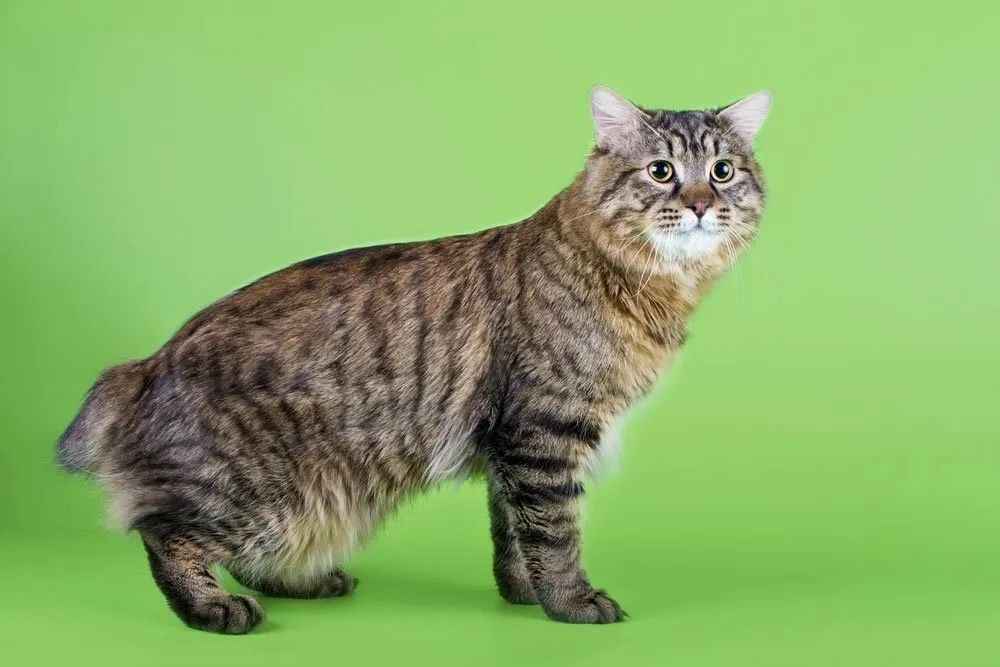
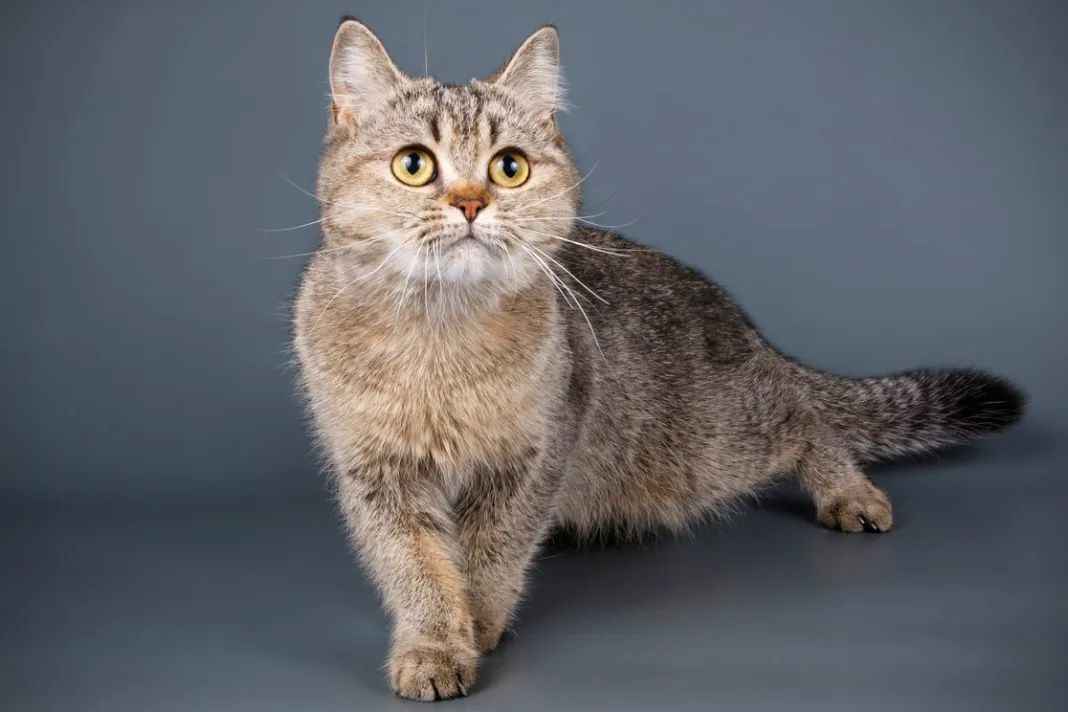
Originating in Scotland in the 1960s, the Scottish Straight is the upright-eared counterpart to the Scottish Fold. In 1961, a white barn cat named Susie with folded ears was discovered, and some of her offspring displayed straight ears due to genetic mutation, marking the beginning of this breed’s development. Today, Scottish Straights are celebrated worldwide for their round features, gentle demeanor, and robust genetics.

Physical Traits and Temperament

With a rounded head, large almond-shaped eyes, and a medium-sized, muscular body, Scottish Straights exude a perpetually kitten-like charm. Their ears stand erect with rounded tips, distinguishing them from their folded-eared relatives. Available in both longhair and shorthair varieties, they come in all traditional coat colors and patterns, catering to diverse aesthetic preferences.


Known for their loyalty and sociability, Scottish Straights thrive in households with children or other pets. They enjoy interactive play and exploring their surroundings but also value independent downtime, striking a balance between companionship and autonomy.

Health and Care Guidelines

Unlike Scottish Folds, Scottish Straights do not carry the Fd gene linked to osteochondrodysplasia, sparing them from crippling joint deformities and chronic pain. However, they may inherit other genetic predispositions, such as cardiomyopathy or polycystic kidney disease. Prospective owners should prioritize breeders who conduct DNA testing and health screenings.


These adaptable cats flourish indoors or in secure outdoor environments. Shorthair varieties require weekly brushing, while longhairs benefit from daily grooming to prevent matting. A balanced diet and regular exercise are essential to manage their slower metabolism and prevent obesity.

Ethical Considerations and Breed Preservation

While Scottish Straights are generally healthy, their folded-eared counterparts face severe health issues, leading to breeding bans in countries like the Netherlands and Austria. To mitigate genetic risks, international cat associations (e.g., TICA) mandate that Scottish Folds must only be bred with Scottish Straights or other breeds, ensuring healthier offspring. This policy has elevated the Scottish Straight’s role as a vital guardian of feline genetic diversity.

Conclusion

The Scottish Straight embodies the perfect harmony of beauty, affection, and resilience. By choosing responsible breeders and prioritizing genetic health, cat lovers can ensure this elegant breed continues to grace households with joy and companionship for generations to come.
Latest Stories
Industry News1 minute readG20 finance ministers and central bank governors have issued a joint communiqué, committing to enhance international policy cooperation and sending a signal in support of multilateralism. They emphasized the need to end global trade conflicts soon and called on the U.S. and Europe to reach a fair agreement on tariffs.
Animal Information1 minute readIn the arid deserts of South America, an endangered pig-like species known locally as "taguá" (Chacoan peccary, Catagonus wagneri) is fighting for survival. These remarkable creatures have adapted uniquely to thrive in harsh desert conditions, with their diet centered on spiky cacti—an unusual food source that few other animals can exploit.
Animal Information1 minute readBeneath the waters of the Missouri River basin resides a creature that stands as a living testament to Earth's ancient past—the pallid sturgeon (Scaphirhynchus albus). Dubbed a "living fossil," this substantial fish traces its lineage back to the age of dinosaurs, persisting through tens of millions of years of geological shifts and biological evolution in these river systems.
Industry News1 minute readMicrosoft and the U.S. Idaho National Laboratory (INL) announced a partnership on July 16 to use AI in new nuclear plant licensing, aiming to drastically shorten the process. The move responds to Trump’s executive order to cut nuclear licensing to 18 months, addressing growing energy demands from AI data centers.
Industry News1 minute readThe U.S. Federal Communications Commission (FCC) announced plans on July 16 to introduce new rules, fully prohibiting any submarine communication cables containing Chinese technology or equipment from connecting to U.S. networks.
Feline News2 minute readThe Himalayan cat, a captivating fusion of Persian and Siamese genetics, has enchanted cat enthusiasts worldwide with its striking blue eyes and luxurious coat. Bred since the 1930s, this breed gained official recognition in 1957 when breeders Ben and Ann Borrett debuted their specimens at a cat show, setting standards adopted by organizations like the CFA . Nicknamed "Himmies," these cats balance elegance with affectionate charm, though their popularity demands careful attention to health and grooming.
Feline News1 minute read[Nashville, July 18th] —— The Tennessee Rex, a uniquely American cat breed celebrated for its naturally curly fur, is gaining recognition among pet enthusiasts worldwide. This distinctive feline traces its origins to a chance discovery in 2004 in Tennessee, where a stray cat gave birth to a litter containing a kitten with unusually soft, curly hair—a natural genetic mutation that marked the breed's beginning.