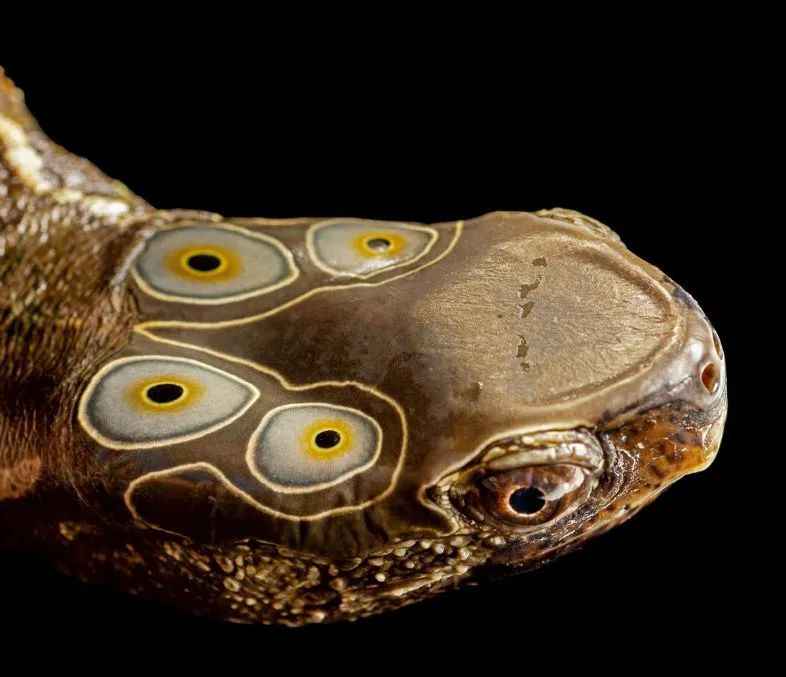
Four-Eyed Turtle: A Unique Freshwater Species Teeters on the Brink of Extinction
The four-eyed turtle (Sacalia quadriocellata), a rare freshwater reptile native to Southeast Asia, has captured global attention for its distinctive appearance and critical endangered status. Contrary to its common name, this small turtle—typically measuring under 20 centimeters in length—possesses only two functional eyes. Its moniker derives from four striking ocelli (eye-like spots) atop its head: two pairs of bright yellow markings ringed with dark pigment, resembling additional eyes and forming one of nature’s most intriguing examples of mimicry.
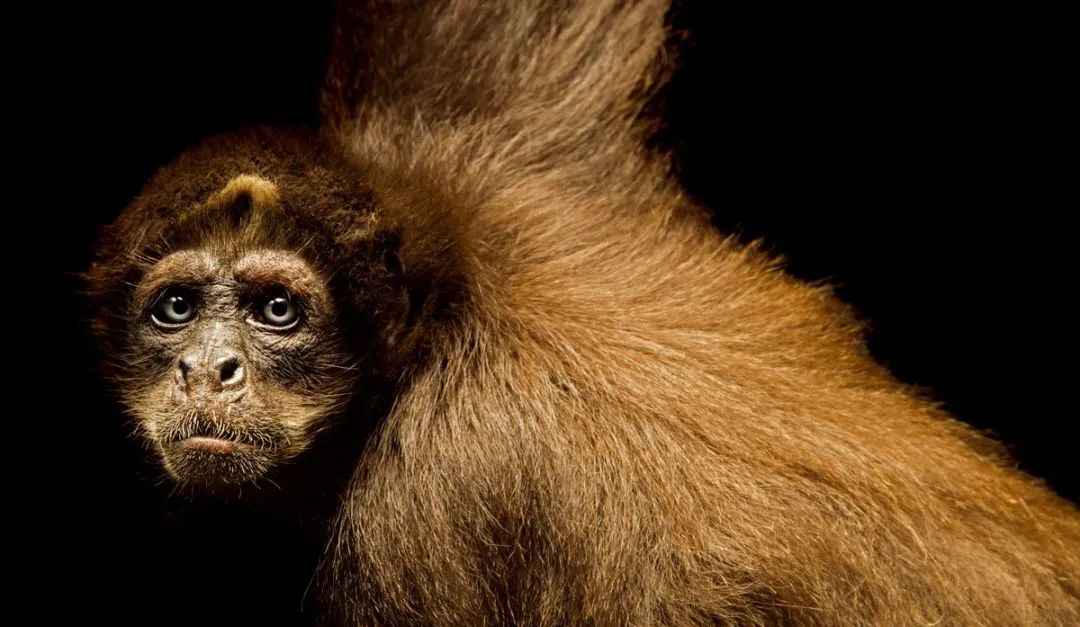
Critically Endangered Brown Spider Monkeys: Vital Seed Dispersers in South American Rainforests
Deep within the pristine rainforests of South America, a silent ecological crisis looms for one of the continent’s most imperiled primates: the brown spider monkey (Ateles hybridus). Classified as "Critically Endangered" by the International Union for Conservation of Nature (IUCN), this species plays an irreplaceable role in sustaining the health of its habitat—serving as a linchpin for seed dispersal that supports hundreds of plant species.
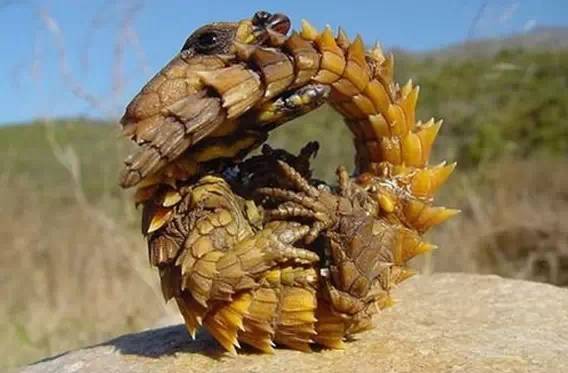
The Thorny Devil: Australia’s Armor-Plated Lizard with a Unique Survival Strategy
Native to the arid deserts of central and western Australia, the thorny devil (Moloch horridus), also known as the moloch or thorny dragon, is a reptile like no other. Covered in spiky protrusions and adapted to survive in harsh desert conditions, this small lizard has evolved extraordinary features to thrive in one of the world’s most unforgiving environments.
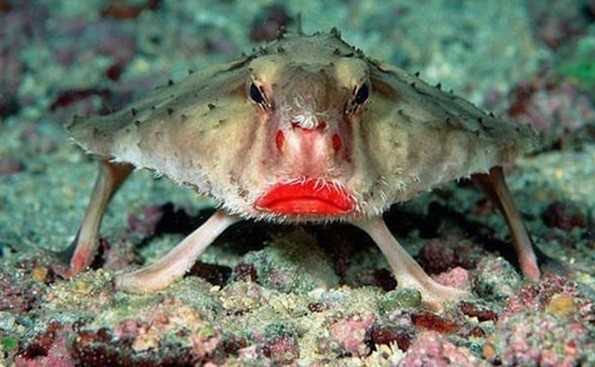
The Red-Lipped Batfish: Galápagos’ Quirky Underwater Celebrity with a Pouty Predatory Style
Native to the coastal waters of the Galápagos Islands and Peru, the red-lipped batfish (Ogcocephalus darwini) has become an internet sensation for its most striking feature—bright red, pouty lips that contrast vividly with its grayish-brown body. This unusual fish, adapted for life on the ocean floor, trades swimming for "walking" using modified pectoral fins, making it a fascinating example of evolutionary specialization.
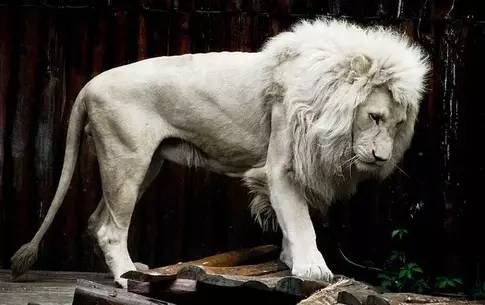
The Albino Lion: Rare Genetic Marvel and Cultural Icon of the Savanna
Albino lions, though often mistaken for white lions, are a distinct genetic rarity characterized by complete lack of melanin, resulting in pure white fur, pink skin, and pale blue or red eyes. Unlike white lions (which have a recessive color gene), albinism in lions is caused by a mutation in the TYR gene, inhibiting tyrosinase production—a enzyme crucial for pigment formation. These majestic creatures have captivated humanity for centuries, blending scientific curiosity with cultural mystique.
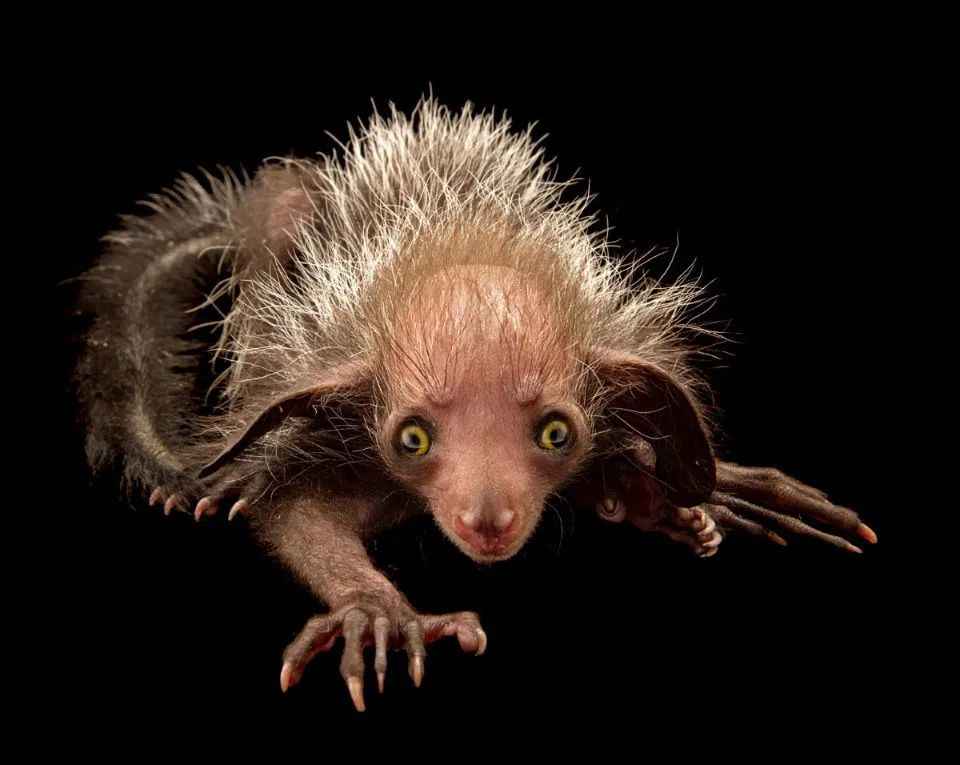
Madagascar's Aye-Aye: Endangered Creature Haunted by 'Cursed' Digit
Deep within Madagascar's rainforests resides one of Earth's most peculiar primates—the aye-aye (Daubentonia madagascariensis). A unique mammal, it boasts a remarkable adaptation: an extraordinarily slender, elongated middle finger. This specialized digit, the most dexterous part of its body, serves as a vital survival tool, acting like a precision probe to extract insect larvae from tree bark crevices or scoop out fruit pulp, perfectly suited to foraging in the complex jungle environment.
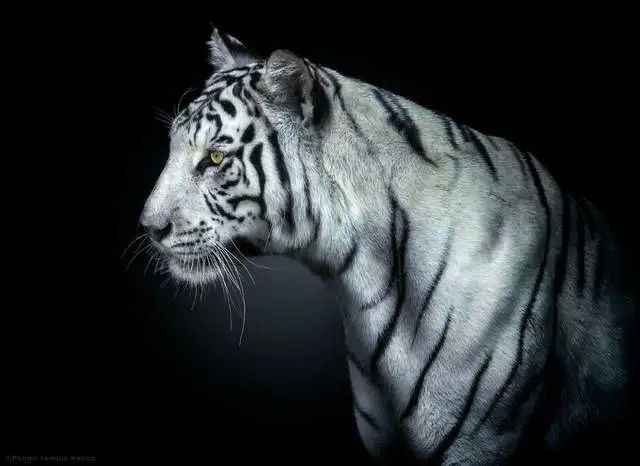
Bengal Tigers in Crisis: Over 96% of Wild Population Lost in a Century
The global population of Bengal tigers currently stands at approximately 24,000, but a closer look at the figures reveals a worrying reality: only around 3,200 of these majestic creatures live in their natural wild habitats, while nearly 20,000 are in captivity. This stark contrast becomes even more alarming when compared to historical records.
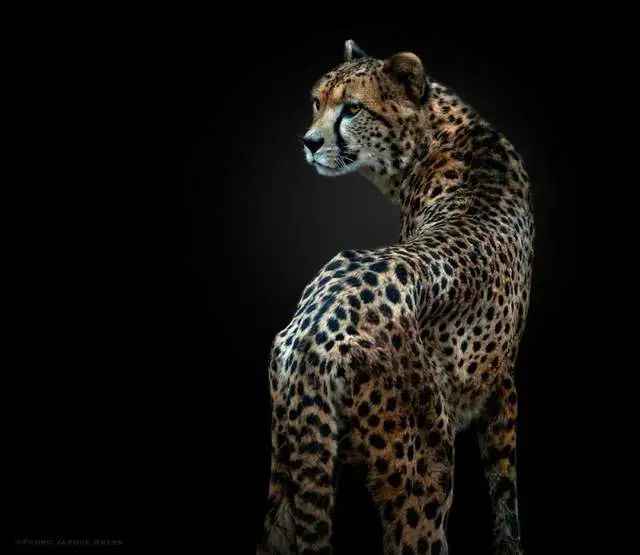
Cheetah Populations Collapse: Iconic African Species Edges Toward Extinction
NAIROBI, Kenya — July 18, 2025 — Once numbering around 100,000 across Africa in the 20th century, the cheetah population has plummeted to a mere 7,500 individuals today, pushing the world’s fastest land animal onto an ever-growing list of species teetering on the brink of extinction. This dramatic decline underscores a crisis that threatens to erase one of Africa’s most iconic predators.