The Albino Lion: Rare Genetic Marvel and Cultural Icon of the Savanna


Animal Information
The Albino Lion: Rare Genetic Marvel and Cultural Icon of the Savanna

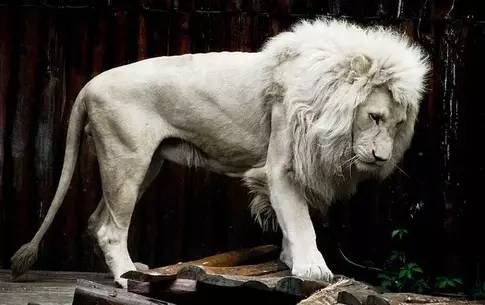
Albino lions, though often mistaken for white lions, are a distinct genetic rarity characterized by complete lack of melanin, resulting in pure white fur, pink skin, and pale blue or red eyes. Unlike white lions (which have a recessive color gene), albinism in lions is caused by a mutation in the TYR gene, inhibiting tyrosinase production—a enzyme crucial for pigment formation. These majestic creatures have captivated humanity for centuries, blending scientific curiosity with cultural mystique.

The Science Behind the Paleness: Genetic Anomalies

  • Pigmentation Breakdown
    Albino lions exhibit oculocutaneous albinism (OCA), a condition affecting both skin and eye pigment. Their white coat offers no camouflage, making hunting challenging, while light sensitivity (photophobia) from unpigmented eyes hinders vision in bright savanna sunlight. In the wild, albinism reduces survival rates, as cubs are more vulnerable to predators and struggle to hunt.
  • Physical Traits
    Aside from coloration, albino lions share typical lion anatomy: males grow up to 250 kg with a (white) mane, while females are smaller and maneless. Their rarity—estimated at 1 in 100,000 wild lions—makes them extremely scarce, with most sightings documented in southern Africa’s Kruger National Park and private reserves.

Cultural Significance and Conservation Realities

  • Myth vs. Reality
    In African folklore, albino lions are often seen as spiritual beings, symbols of luck or omens. The Tsonga people of South Africa refer to them as "ghost lions," believing they bridge the human and spirit worlds. However, this mystique has also fueled superstitions; in some regions, albino animals are hunted for use in traditional medicine, posing an additional threat.
  • Captive vs. Wild Survival
    Most albino lions today exist in captivity, where breeders sometimes exploit their rarity for tourism. Wild populations face dual risks: genetic inbreeding (as albinism requires two recessive genes) and habitat loss. Conservationists stress that while albino lions are fascinating, efforts must prioritize protecting overall lion populations, whose numbers have declined by 43% since 1993.


As living symbols of genetic wonder, albino lions highlight the fragility of nature’s diversity. Their existence challenges humanity to appreciate rarity not for exploitation, but as a reminder of the intricate web of life—where even the rarest mutations hold value in the grand tapestry of evolution.
Latest Stories
Feline News2 minute readThe Kurilian Bobtail Longhair, a captivating breed hailing from Russia’s Sakhalin Island and the Kuril Archipelago, has emerged as a fascinating subject in the international feline community. With its distinctive bobbed tail and striking appearance, this natural breed is garnering recognition for its unique history, robust health, and affectionate demeanor.
Life News2 minute readOn the streets and alleys of Italy, gelato is more than just a refreshing dessert; it is a vivid embodiment of the country's culinary philosophy. Compared to the common American ice cream, this Italian classic has become an irreplaceable culinary symbol in the hearts of food lovers worldwide, thanks to its unique craftsmanship and texture.
Feline News2 minute readIn 1982, a bald kitten with an unusual genetic mutation emerged in a barn on an Oregon cherry farm, marking the accidental birth of one of the world’s most distinctive feline breeds—the LaPerm. This curly-coated wonder, named for its "wavy" or "rippled" fur, has since captivated cat lovers globally with its unique appearance and playful personality .
Feline News1 minute readThe Brazilian Shorthair, a distinctive feline breed native to Brazil, has captivated cat enthusiasts with its charming personality and adaptable nature. Originating from the country's street cats, the breed was formally recognized in the 1980s after decades of selective breeding to preserve its unique traits.
Feline News1 minute readIn recent days, a cat named Marguerite has quietly risen to fame in a suburban community. The 3-year-old orange-and-white feline, once a street stray, has now become a "heartwarming bond" connecting neighbors.
Feline News2 minute readOriginating from the city of Rostov-on-Don in Russia, the Donskoy cat, also known as the Don Sphynx, has captivated feline enthusiasts worldwide with its unique appearance and affectionate demeanor. First discovered in 1987 when Professor Elena Kovaleva rescued a hairless kitten named Varvara, the breed emerged from a natural genetic mutation that resulted in a lack of fur. Varvara’s subsequent litters produced both haired and hairless kittens, leading breeder Irina Nemykina to develop the Donskoy through selective breeding with European Shorthairs. Recognized by The International Cat Associat
Feline News2 minute readThe Nebelung, a captivating feline often mistaken for the Russian Blue, is a rare breed celebrated for its striking appearance and gentle demeanor. Originating in the U.S. during the 1980s, this breed emerged from intentional crossbreeding to replicate the elegance of Victorian-era long-haired blue cats. Named after the German word "nebel" (meaning "mist"), the Nebelung’s silvery-tipped blue-gray coat evokes a misty aura, while its green or yellow-green eyes add to its enigmatic charm.