Mexican Caecilian: A Vulnerable Amphibian Hiding in Soil


Animal Information
Mexican Caecilian: A Vulnerable Amphibian Hiding in Soil

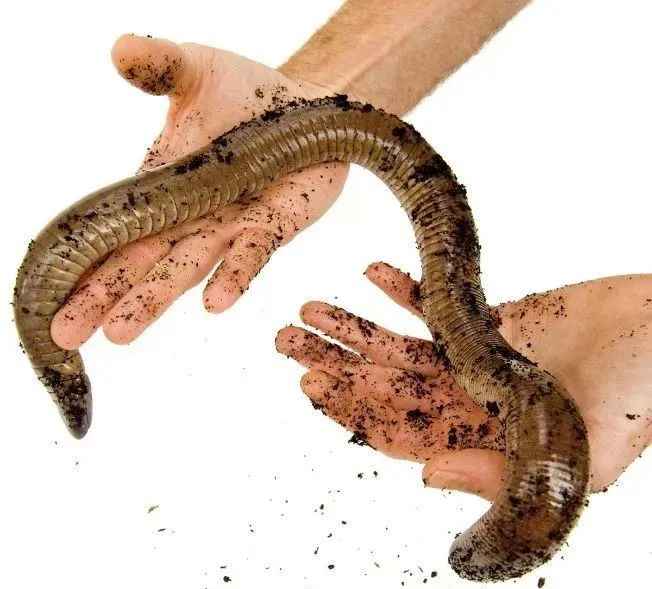
Beneath the soft soils of Mexico, a creature that resembles a giant earthworm quietly resides. But don't be fooled by its appearance—this is no worm. It's Dermophis mexicanus, a unique amphibian with a surprising secret: its limbs have completely vanished over time.


Classified as "Vulnerable" by conservation experts, the Mexican caecilian is a fascinating example of evolutionary adaptation. Unlike most amphibians such as frogs or salamanders, which rely on limbs for movement, this species has traded its legs for a streamlined, cylindrical body, perfectly suited for a life underground.


Spending the majority of its life burrowed in loose, moist soil, the Mexican caecilian has developed a lifestyle centered on patience. It waits stealthily for unsuspecting prey—primarily earthworms and other small invertebrates—to pass by. Its sensory systems, adapted to the dark underground environment, help it detect the slightest movements of nearby creatures, allowing it to strike with precision when the time is right.


This amphibian's unique traits make it a crucial part of its ecosystem, contributing to soil aeration and controlling insect populations. However, its vulnerable status highlights growing threats, including habitat loss due to agricultural expansion and urbanization, as well as climate change-induced soil degradation.


Conservation efforts are now underway to protect the Mexican caecilian's natural habitats, with researchers working to better understand its behavior and ecological role. As scientists continue to study this elusive creature, they hope to raise awareness about the importance of preserving not just charismatic species, but also the often-overlooked inhabitants of our planet's soil.

Latest Stories
Feline News2 minute readThe Kurilian Bobtail Longhair, a captivating breed hailing from Russia’s Sakhalin Island and the Kuril Archipelago, has emerged as a fascinating subject in the international feline community. With its distinctive bobbed tail and striking appearance, this natural breed is garnering recognition for its unique history, robust health, and affectionate demeanor.
Life News2 minute readOn the streets and alleys of Italy, gelato is more than just a refreshing dessert; it is a vivid embodiment of the country's culinary philosophy. Compared to the common American ice cream, this Italian classic has become an irreplaceable culinary symbol in the hearts of food lovers worldwide, thanks to its unique craftsmanship and texture.
Feline News2 minute readIn 1982, a bald kitten with an unusual genetic mutation emerged in a barn on an Oregon cherry farm, marking the accidental birth of one of the world’s most distinctive feline breeds—the LaPerm. This curly-coated wonder, named for its "wavy" or "rippled" fur, has since captivated cat lovers globally with its unique appearance and playful personality .
Feline News1 minute readThe Brazilian Shorthair, a distinctive feline breed native to Brazil, has captivated cat enthusiasts with its charming personality and adaptable nature. Originating from the country's street cats, the breed was formally recognized in the 1980s after decades of selective breeding to preserve its unique traits.
Feline News1 minute readIn recent days, a cat named Marguerite has quietly risen to fame in a suburban community. The 3-year-old orange-and-white feline, once a street stray, has now become a "heartwarming bond" connecting neighbors.
Feline News2 minute readOriginating from the city of Rostov-on-Don in Russia, the Donskoy cat, also known as the Don Sphynx, has captivated feline enthusiasts worldwide with its unique appearance and affectionate demeanor. First discovered in 1987 when Professor Elena Kovaleva rescued a hairless kitten named Varvara, the breed emerged from a natural genetic mutation that resulted in a lack of fur. Varvara’s subsequent litters produced both haired and hairless kittens, leading breeder Irina Nemykina to develop the Donskoy through selective breeding with European Shorthairs. Recognized by The International Cat Associat
Feline News2 minute readThe Nebelung, a captivating feline often mistaken for the Russian Blue, is a rare breed celebrated for its striking appearance and gentle demeanor. Originating in the U.S. during the 1980s, this breed emerged from intentional crossbreeding to replicate the elegance of Victorian-era long-haired blue cats. Named after the German word "nebel" (meaning "mist"), the Nebelung’s silvery-tipped blue-gray coat evokes a misty aura, while its green or yellow-green eyes add to its enigmatic charm.