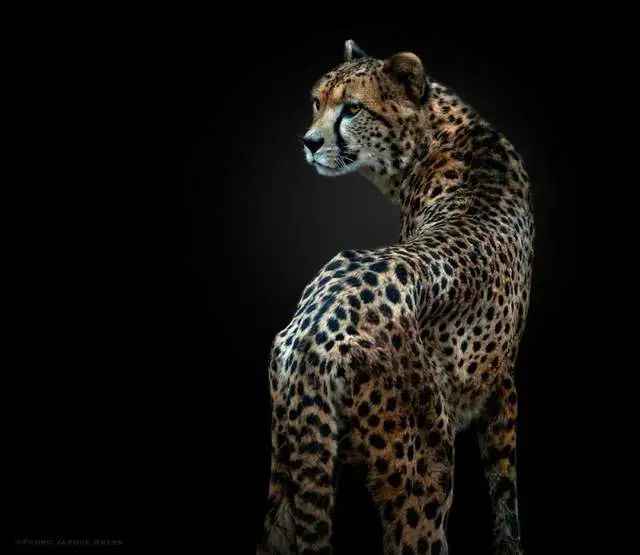
Cheetah Populations Collapse: Iconic African Species Edges Toward Extinction


Animal Information
Cheetah Populations Collapse: Iconic African Species Edges Toward Extinction

NAIROBI, Kenya — July 18, 2025 — Once numbering around 100,000 across Africa in the 20th century, the cheetah population has plummeted to a mere 7,500 individuals today, pushing the world’s fastest land animal onto an ever-growing list of species teetering on the brink of extinction. This dramatic decline underscores a crisis that threatens to erase one of Africa’s most iconic predators.

NAIROBI, Kenya — July 18, 2025 — Once numbering around 100,000 across Africa in the 20th century, the cheetah population has plummeted to a mere 7,500 individuals today, pushing the world’s fastest land animal onto an ever-growing list of species teetering on the brink of extinction. This dramatic decline underscores a crisis that threatens to erase one of Africa’s most iconic predators.


Conservationists warn the downward spiral reflects broader ecological unraveling. The primary driver is unchecked human population growth, which has shrunk cheetah habitats by fragmenting their roaming grounds. Expanding agriculture, urbanization, and infrastructure projects—from highways to settlements—have carved up the savannas, turning once-vast territories into isolated patches where the big cats struggle to hunt or find mates.


Survival is further imperiled by human-wildlife conflict. Retaliatory killings by farmers after livestock predation, coupled with illegal poaching and the exotic pet trade, have decimated local populations. Wildlife biologists caution that without urgent intervention, wild cheetahs could vanish from most of their current range within three decades.


While conservation initiatives across southern Africa strive to protect remaining habitats, limited funding and political will hamper progress. The cheetah’s rapid decline serves as a stark reminder: as the last wild spaces vanish beneath human expansion, so too does the hope of preserving Earth’s fragile biodiversity.
Latest Stories
Feline News2 minute readThe Kurilian Bobtail Longhair, a captivating breed hailing from Russia’s Sakhalin Island and the Kuril Archipelago, has emerged as a fascinating subject in the international feline community. With its distinctive bobbed tail and striking appearance, this natural breed is garnering recognition for its unique history, robust health, and affectionate demeanor.
Life News2 minute readOn the streets and alleys of Italy, gelato is more than just a refreshing dessert; it is a vivid embodiment of the country's culinary philosophy. Compared to the common American ice cream, this Italian classic has become an irreplaceable culinary symbol in the hearts of food lovers worldwide, thanks to its unique craftsmanship and texture.
Feline News2 minute readIn 1982, a bald kitten with an unusual genetic mutation emerged in a barn on an Oregon cherry farm, marking the accidental birth of one of the world’s most distinctive feline breeds—the LaPerm. This curly-coated wonder, named for its "wavy" or "rippled" fur, has since captivated cat lovers globally with its unique appearance and playful personality .
Feline News1 minute readThe Brazilian Shorthair, a distinctive feline breed native to Brazil, has captivated cat enthusiasts with its charming personality and adaptable nature. Originating from the country's street cats, the breed was formally recognized in the 1980s after decades of selective breeding to preserve its unique traits.
Feline News1 minute readIn recent days, a cat named Marguerite has quietly risen to fame in a suburban community. The 3-year-old orange-and-white feline, once a street stray, has now become a "heartwarming bond" connecting neighbors.
Feline News2 minute readOriginating from the city of Rostov-on-Don in Russia, the Donskoy cat, also known as the Don Sphynx, has captivated feline enthusiasts worldwide with its unique appearance and affectionate demeanor. First discovered in 1987 when Professor Elena Kovaleva rescued a hairless kitten named Varvara, the breed emerged from a natural genetic mutation that resulted in a lack of fur. Varvara’s subsequent litters produced both haired and hairless kittens, leading breeder Irina Nemykina to develop the Donskoy through selective breeding with European Shorthairs. Recognized by The International Cat Associat
Feline News2 minute readThe Nebelung, a captivating feline often mistaken for the Russian Blue, is a rare breed celebrated for its striking appearance and gentle demeanor. Originating in the U.S. during the 1980s, this breed emerged from intentional crossbreeding to replicate the elegance of Victorian-era long-haired blue cats. Named after the German word "nebel" (meaning "mist"), the Nebelung’s silvery-tipped blue-gray coat evokes a misty aura, while its green or yellow-green eyes add to its enigmatic charm.