1 minute read

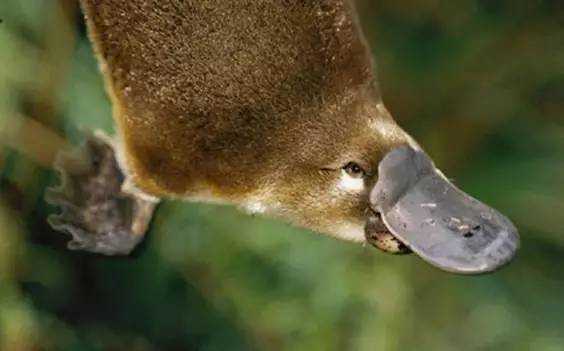
The Platypus: Australia’s Bizarre Patchwork of Evolutionary Oddities

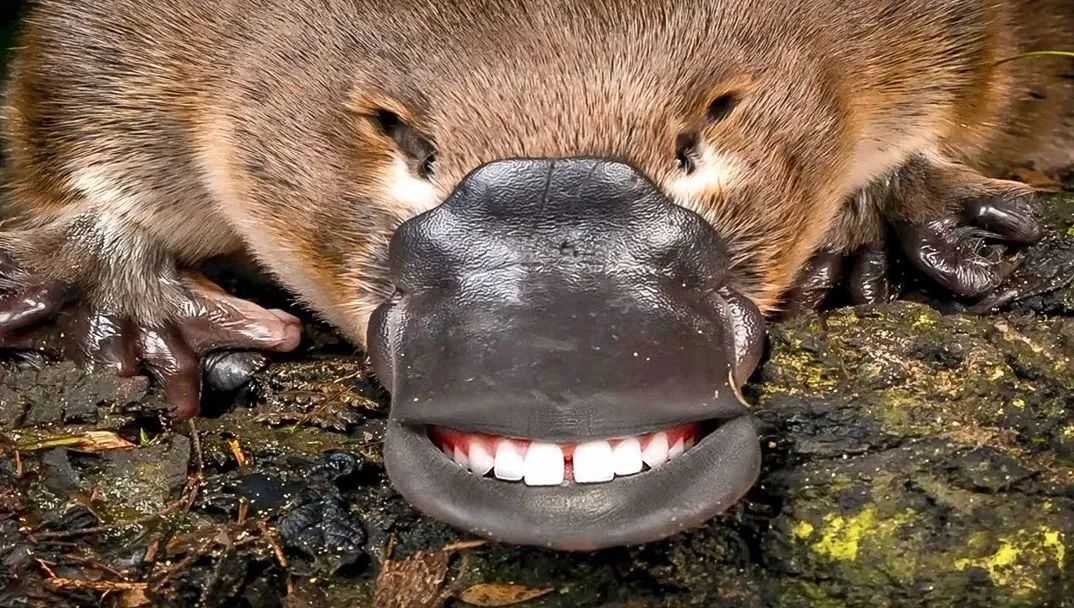
Native to Australia, the platypus (Ornithorhynchus anatinus) is a 30–60 cm monotreme that defies biological categorization, blending mammalian, avian, and reptilian traits. Feeding on aquatic insects, this primitive mammal lays eggs—a rarity among mammals—and is so unique it appears on Australia’s 20-cent coin as a national emblem.

The Platypus: Australia’s Bizarre Patchwork of Evolutionary Oddities
1 minute read

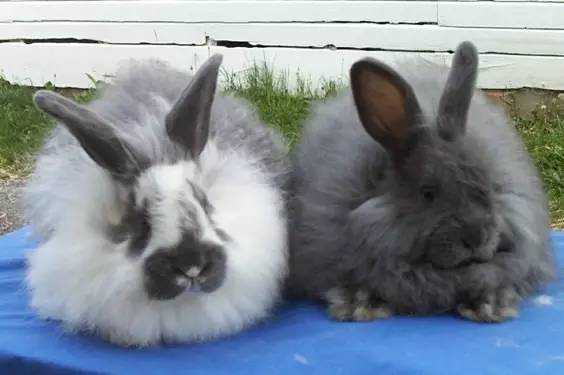
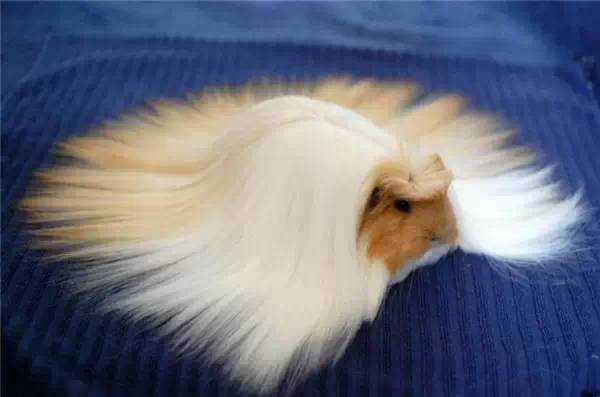
The Long-Haired Guinea Pig: A Fluffy Companion with a Rich Historical Background

Native to the Andes Mountains of South America, the long-haired guinea pig, often known as the "Peruvian guinea pig" or "Sheltie," has captivated pet enthusiasts worldwide with its flowing, silky fur and gentle demeanor. Descended from wild cavies domesticated by the Incas over 3,000 years ago, these rodents blend practical utility with ornamental appeal, standing out as both charming companions and living links to ancient Andean culture.

The Long-Haired Guinea Pig: A Fluffy Companion with a Rich Historical Background
2 minute read

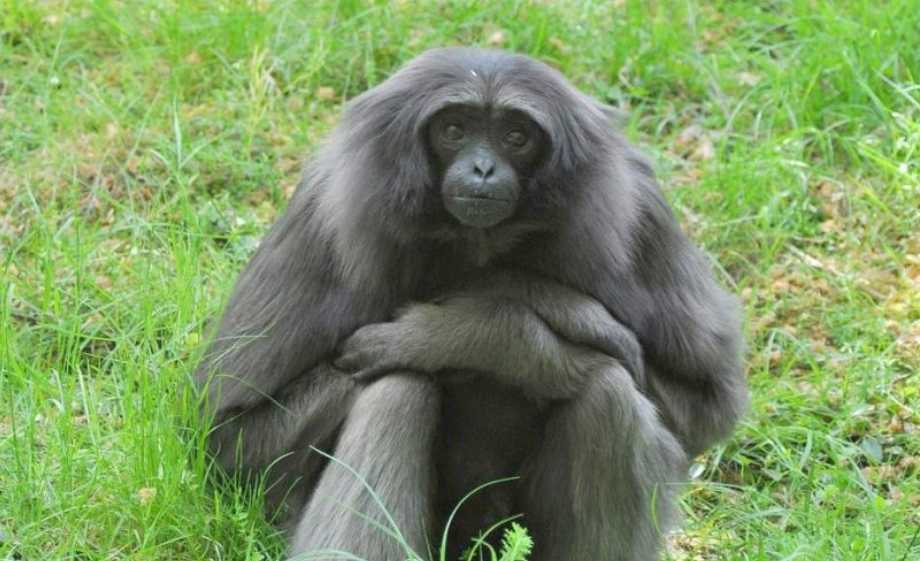
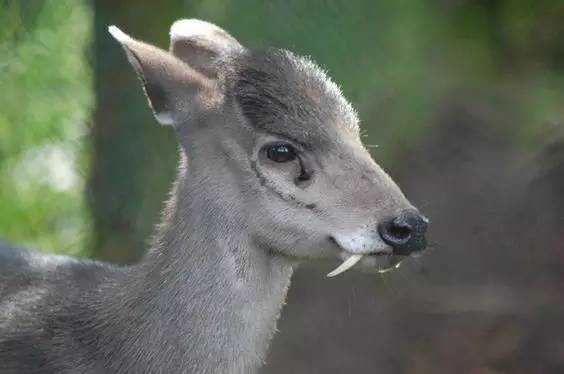
The Black Muntjac: A Rare and Elusive Deer Species with Unique Physical Traits

Native to the mountainous forests of southeastern China, the black muntjac (Muntiacus crinifrons), also known as the "black tufted deer," stands out as one of Asia’s most enigmatic deer species. Recognized for its jet-black fur, distinctive tuft of hair on the forehead, and elongated canines in males, this medium-sized ungulate has captivated biologists due to its restricted range and vulnerable status in the wild.
The Black Muntjac: A Rare and Elusive Deer Species with Unique Physical Traits
1 minute read

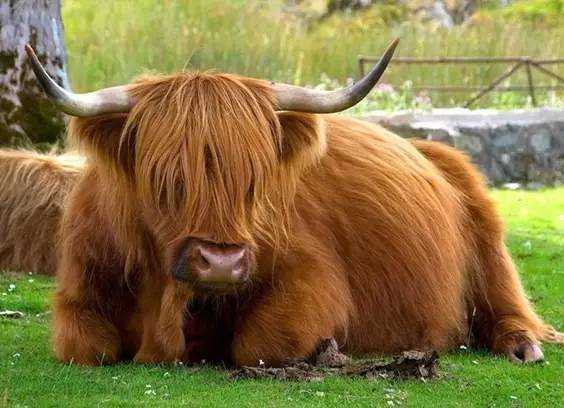
Miniature Highland Cattle: The Adorable 'Fluffy Cows' with Trendsetting Bangs

Native to the Scottish Highlands, miniature Highland cattle have skyrocketed to fame for their shaggy, over-the-eye bangs and plush, reddish-brown coats, earning them nicknames like "fluffy cows" or "nature’s hipsters." These pint-sized bovines, bred from their larger Scottish ancestors, stand just 80–100 cm at the shoulder, blending rustic hardiness with undeniable cuteness.
Miniature Highland Cattle: The Adorable 'Fluffy Cows' with Trendsetting Bangs
2 minute read

The Gerenuk: Africa’s Graceful 'Giraffe-Necked' Antelope

Native to the arid savannas and thornbush plains of East Africa, the gerenuk (Litocranius walleri), often called the "giraffe-necked antelope," stands out with its elongated neck, slender legs, and unique feeding behavior. This medium-sized antelope, found in countries like Kenya, Somalia, and Ethiopia, has evolved extraordinary adaptations to thrive in its harsh, resource-scarce habitat.
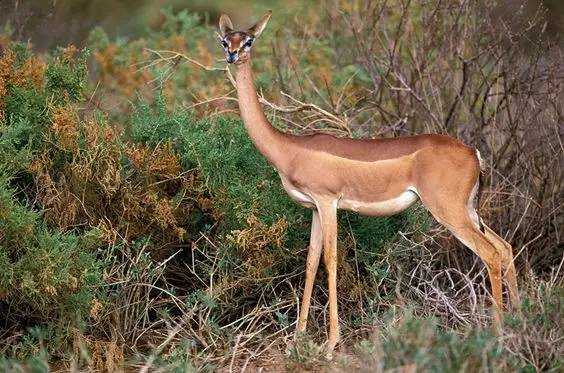
The Gerenuk: Africa’s Graceful 'Giraffe-Necked' Antelope
1 minute read

The Emperor Tamarin: A Regal Primate with a Distinctive Handlebar Mustache

Native to the rainforests of the Amazon Basin in South America, the emperor tamarin (Saguinus imperator) has earned its name from its striking facial feature: a long, white mustache that droops elegantly over its chin, resembling the grandeur of a royal portrait. This small primate, found in Brazil, Peru, and Bolivia, captivates researchers and nature enthusiasts with its unique appearance and social behavior in the dense forest canopy.
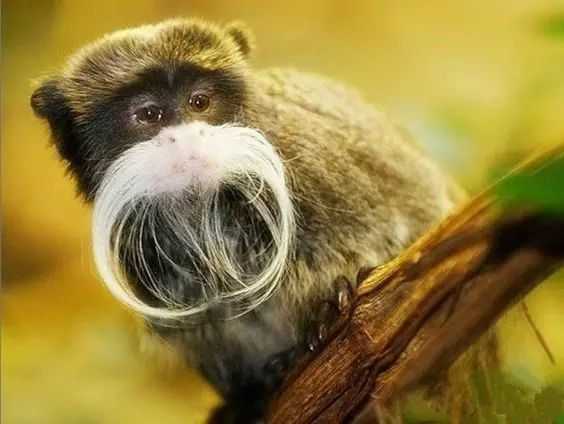
The Emperor Tamarin: A Regal Primate with a Distinctive Handlebar Mustache
1 minute read

The Komondor: Hungary’s Majestic 'Mop Dog' with a Royal Guard Legacy

Native to the grasslands of Hungary, the Komondor is a large, imposing breed renowned for its distinctive corded coat, which resembles long, white dreadlocks. Often called the "mop dog," this ancient herding breed has protected livestock for centuries, combining a fearsome appearance with unwavering loyalty to its human family.
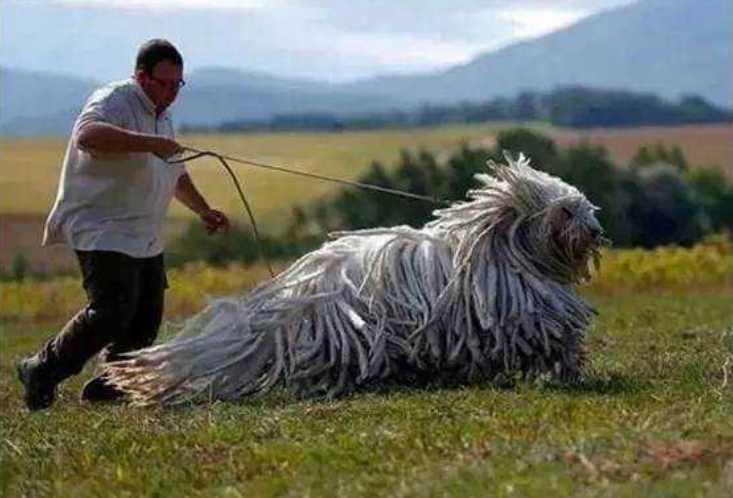
The Komondor: Hungary’s Majestic 'Mop Dog' with a Royal Guard Legacy
2 minute read

The Ray: A Diverse Group of Flat-Bodied Cartilaginous Fishes

Rays are a collective term for numerous flattened cartilaginous fishes in the orders Rajiformes and Myliobatiformes within the class Chondrichthyes. Below is a detailed introduction to these unique marine creatures:
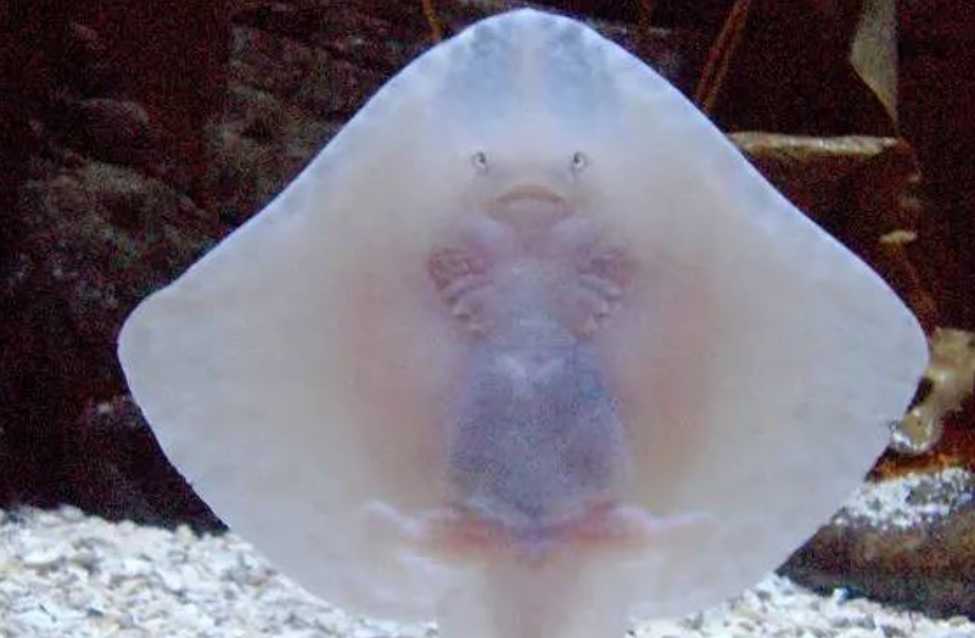
The Ray: A Diverse Group of Flat-Bodied Cartilaginous Fishes

Latest Stories
Feline News2 minute readThe Kurilian Bobtail Longhair, a captivating breed hailing from Russia’s Sakhalin Island and the Kuril Archipelago, has emerged as a fascinating subject in the international feline community. With its distinctive bobbed tail and striking appearance, this natural breed is garnering recognition for its unique history, robust health, and affectionate demeanor.
Life News2 minute readOn the streets and alleys of Italy, gelato is more than just a refreshing dessert; it is a vivid embodiment of the country's culinary philosophy. Compared to the common American ice cream, this Italian classic has become an irreplaceable culinary symbol in the hearts of food lovers worldwide, thanks to its unique craftsmanship and texture.
Feline News2 minute readIn 1982, a bald kitten with an unusual genetic mutation emerged in a barn on an Oregon cherry farm, marking the accidental birth of one of the world’s most distinctive feline breeds—the LaPerm. This curly-coated wonder, named for its "wavy" or "rippled" fur, has since captivated cat lovers globally with its unique appearance and playful personality .
Feline News1 minute readThe Brazilian Shorthair, a distinctive feline breed native to Brazil, has captivated cat enthusiasts with its charming personality and adaptable nature. Originating from the country's street cats, the breed was formally recognized in the 1980s after decades of selective breeding to preserve its unique traits.
Feline News1 minute readIn recent days, a cat named Marguerite has quietly risen to fame in a suburban community. The 3-year-old orange-and-white feline, once a street stray, has now become a "heartwarming bond" connecting neighbors.
Feline News2 minute readOriginating from the city of Rostov-on-Don in Russia, the Donskoy cat, also known as the Don Sphynx, has captivated feline enthusiasts worldwide with its unique appearance and affectionate demeanor. First discovered in 1987 when Professor Elena Kovaleva rescued a hairless kitten named Varvara, the breed emerged from a natural genetic mutation that resulted in a lack of fur. Varvara’s subsequent litters produced both haired and hairless kittens, leading breeder Irina Nemykina to develop the Donskoy through selective breeding with European Shorthairs. Recognized by The International Cat Associat
Feline News2 minute readThe Nebelung, a captivating feline often mistaken for the Russian Blue, is a rare breed celebrated for its striking appearance and gentle demeanor. Originating in the U.S. during the 1980s, this breed emerged from intentional crossbreeding to replicate the elegance of Victorian-era long-haired blue cats. Named after the German word "nebel" (meaning "mist"), the Nebelung’s silvery-tipped blue-gray coat evokes a misty aura, while its green or yellow-green eyes add to its enigmatic charm.