The Black Muntjac: A Rare and Elusive Deer Species with Unique Physical Traits


Animal Information
The Black Muntjac: A Rare and Elusive Deer Species with Unique Physical Traits

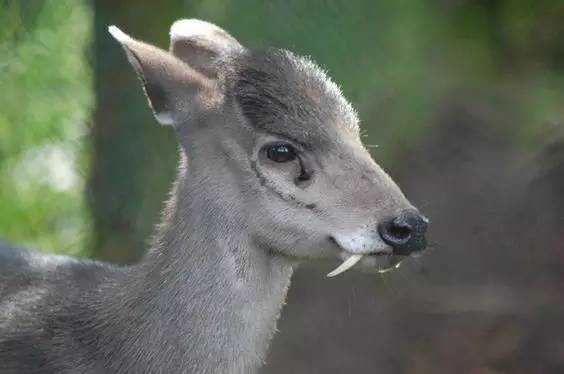
Native to the mountainous forests of southeastern China, the black muntjac (Muntiacus crinifrons), also known as the "black tufted deer," stands out as one of Asia’s most enigmatic deer species. Recognized for its jet-black fur, distinctive tuft of hair on the forehead, and elongated canines in males, this medium-sized ungulate has captivated biologists due to its restricted range and vulnerable status in the wild.


Distinctive Appearance and Adaptations


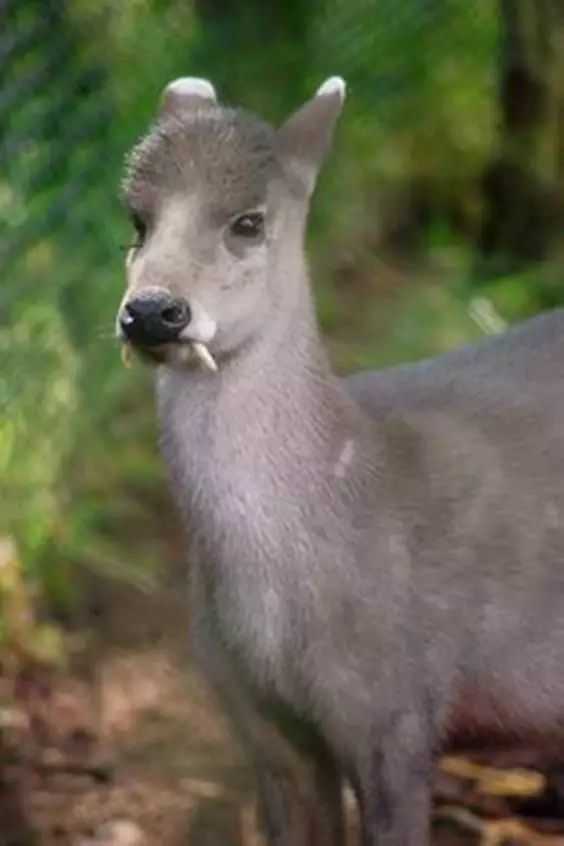
The black muntjac earns its name from its dense, velvety black coat, which contrasts with a white chin and underbelly. Adult males grow up to 80 centimeters in shoulder height and weigh around 25–30 kilograms, while females are slightly smaller. The most striking feature in males is a pair of elongated upper canines, resembling "vampire fangs," which are used in territorial disputes. Both sexes sport a tuft of dark hair on the forehead, giving them a unique, almost mythical appearance. Their short, unbranched antlers (in males) are shed annually, and their agile build allows them to navigate steep, forested terrain with ease.
 
Source: Images from the Internet, if there is any infringement, please contact the removal of


Nocturnal Behavior and Conservation Challenges

Primarily nocturnal, black muntjacs feed on leaves, grasses, and tender shoots, relying on their cryptic coloration to avoid predators like leopards and dholes. They are highly secretive, making them difficult to study, and their restricted range in Zhejiang, Anhui, and Fujian provinces has led to their classification as "Vulnerable" by the IUCN. Habitat loss from deforestation and agricultural expansion poses the gravest threat, while illegal hunting for meat and traditional medicine compounds the crisis. Conservation initiatives in China, including protected areas and anti-poaching patrols, aim to safeguard their remaining forest homes, though their elusive nature complicates population monitoring.


As one of China’s most unique deer species, the black muntjac symbolizes the urgency of preserving subtropical forest ecosystems. Its mysterious lifestyle and striking appearance serve as a reminder of the biodiversity hidden in Asia’s mountain ranges—creatures that thrive in the shadows of dense forests but depend on human stewardship to avoid extinction. Protecting the black muntjac means safeguarding not just a species, but the intricate web of life in some of Earth’s most threatened woodland habitats.
Latest Stories
Feline News2 minute readThe Kurilian Bobtail Longhair, a captivating breed hailing from Russia’s Sakhalin Island and the Kuril Archipelago, has emerged as a fascinating subject in the international feline community. With its distinctive bobbed tail and striking appearance, this natural breed is garnering recognition for its unique history, robust health, and affectionate demeanor.
Life News2 minute readOn the streets and alleys of Italy, gelato is more than just a refreshing dessert; it is a vivid embodiment of the country's culinary philosophy. Compared to the common American ice cream, this Italian classic has become an irreplaceable culinary symbol in the hearts of food lovers worldwide, thanks to its unique craftsmanship and texture.
Feline News2 minute readIn 1982, a bald kitten with an unusual genetic mutation emerged in a barn on an Oregon cherry farm, marking the accidental birth of one of the world’s most distinctive feline breeds—the LaPerm. This curly-coated wonder, named for its "wavy" or "rippled" fur, has since captivated cat lovers globally with its unique appearance and playful personality .
Feline News1 minute readThe Brazilian Shorthair, a distinctive feline breed native to Brazil, has captivated cat enthusiasts with its charming personality and adaptable nature. Originating from the country's street cats, the breed was formally recognized in the 1980s after decades of selective breeding to preserve its unique traits.
Feline News1 minute readIn recent days, a cat named Marguerite has quietly risen to fame in a suburban community. The 3-year-old orange-and-white feline, once a street stray, has now become a "heartwarming bond" connecting neighbors.
Feline News2 minute readOriginating from the city of Rostov-on-Don in Russia, the Donskoy cat, also known as the Don Sphynx, has captivated feline enthusiasts worldwide with its unique appearance and affectionate demeanor. First discovered in 1987 when Professor Elena Kovaleva rescued a hairless kitten named Varvara, the breed emerged from a natural genetic mutation that resulted in a lack of fur. Varvara’s subsequent litters produced both haired and hairless kittens, leading breeder Irina Nemykina to develop the Donskoy through selective breeding with European Shorthairs. Recognized by The International Cat Associat
Feline News2 minute readThe Nebelung, a captivating feline often mistaken for the Russian Blue, is a rare breed celebrated for its striking appearance and gentle demeanor. Originating in the U.S. during the 1980s, this breed emerged from intentional crossbreeding to replicate the elegance of Victorian-era long-haired blue cats. Named after the German word "nebel" (meaning "mist"), the Nebelung’s silvery-tipped blue-gray coat evokes a misty aura, while its green or yellow-green eyes add to its enigmatic charm.