The Komondor: Hungary’s Majestic 'Mop Dog' with a Royal Guard Legacy


Animal Information
The Komondor: Hungary’s Majestic 'Mop Dog' with a Royal Guard Legacy

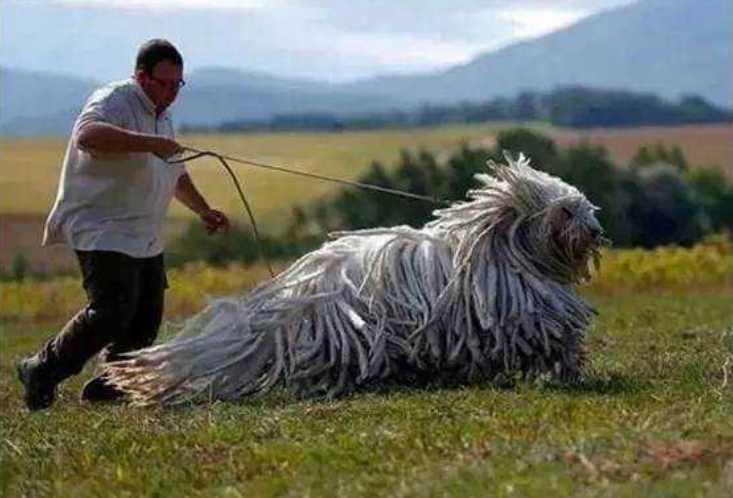
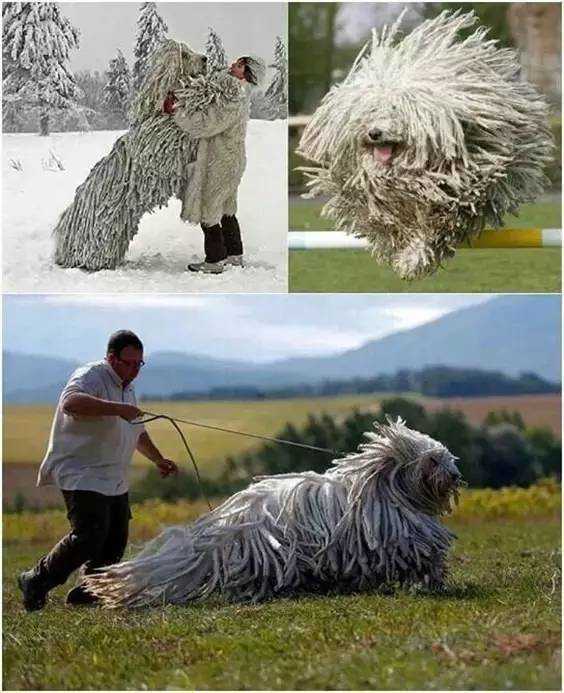
Native to the grasslands of Hungary, the Komondor is a large, imposing breed renowned for its distinctive corded coat, which resembles long, white dreadlocks. Often called the "mop dog," this ancient herding breed has protected livestock for centuries, combining a fearsome appearance with unwavering loyalty to its human family.


A Living Carpet: Physical Traits and Adaptations

The Komondor’s most iconic feature is its dense, felted coat, which forms natural cords that can grow up to 30 centimeters long. This unique texture serves as armor against predators and harsh weather, while the white color provides camouflage in snowy pastures. Males stand 65–70 centimeters tall and weigh 45–50 kilograms, with a muscular build and a broad head. Despite its heavy coat, the breed is agile and swift, capable of chasing off wolves or bears. Its dark eyes and black nose contrast sharply with the white cords, giving it a regal yet intimidating presence.
 
Source: Images from the Internet, if there is any infringement, please contact the removal of


Loyal Guardian and Modern Challenges

Originally bred to protect flocks of sheep, the Komondor is known for its independent thinking and fierce protective instincts. It forms deep bonds with its family but is wary of strangers, making it an excellent guard dog. However, its thick coat requires meticulous maintenance—regular separation of cords to prevent matting—and its strong-willed nature demands experienced training. In Hungary, the breed is a national symbol, featured in folklore and art, but global populations remain small due to its specialized care needs. Listed as "Vulnerable" by the FCI, conservation efforts aim to preserve its working heritage and unique traits.


The Komondor’s imposing presence and distinctive look make it a living testament to centuries of selective breeding. From the Hungarian plains to modern homes, this "mop dog" continues to captivate with its blend of rugged functionality and striking aesthetics—proof that some canine legends only grow more remarkable with time.
Latest Stories
Feline News2 minute readThe Kurilian Bobtail Longhair, a captivating breed hailing from Russia’s Sakhalin Island and the Kuril Archipelago, has emerged as a fascinating subject in the international feline community. With its distinctive bobbed tail and striking appearance, this natural breed is garnering recognition for its unique history, robust health, and affectionate demeanor.
Life News2 minute readOn the streets and alleys of Italy, gelato is more than just a refreshing dessert; it is a vivid embodiment of the country's culinary philosophy. Compared to the common American ice cream, this Italian classic has become an irreplaceable culinary symbol in the hearts of food lovers worldwide, thanks to its unique craftsmanship and texture.
Feline News2 minute readIn 1982, a bald kitten with an unusual genetic mutation emerged in a barn on an Oregon cherry farm, marking the accidental birth of one of the world’s most distinctive feline breeds—the LaPerm. This curly-coated wonder, named for its "wavy" or "rippled" fur, has since captivated cat lovers globally with its unique appearance and playful personality .
Feline News1 minute readThe Brazilian Shorthair, a distinctive feline breed native to Brazil, has captivated cat enthusiasts with its charming personality and adaptable nature. Originating from the country's street cats, the breed was formally recognized in the 1980s after decades of selective breeding to preserve its unique traits.
Feline News1 minute readIn recent days, a cat named Marguerite has quietly risen to fame in a suburban community. The 3-year-old orange-and-white feline, once a street stray, has now become a "heartwarming bond" connecting neighbors.
Feline News2 minute readOriginating from the city of Rostov-on-Don in Russia, the Donskoy cat, also known as the Don Sphynx, has captivated feline enthusiasts worldwide with its unique appearance and affectionate demeanor. First discovered in 1987 when Professor Elena Kovaleva rescued a hairless kitten named Varvara, the breed emerged from a natural genetic mutation that resulted in a lack of fur. Varvara’s subsequent litters produced both haired and hairless kittens, leading breeder Irina Nemykina to develop the Donskoy through selective breeding with European Shorthairs. Recognized by The International Cat Associat
Feline News2 minute readThe Nebelung, a captivating feline often mistaken for the Russian Blue, is a rare breed celebrated for its striking appearance and gentle demeanor. Originating in the U.S. during the 1980s, this breed emerged from intentional crossbreeding to replicate the elegance of Victorian-era long-haired blue cats. Named after the German word "nebel" (meaning "mist"), the Nebelung’s silvery-tipped blue-gray coat evokes a misty aura, while its green or yellow-green eyes add to its enigmatic charm.