The Long-Haired Guinea Pig: A Fluffy Companion with a Rich Historical Background


Animal Information
The Long-Haired Guinea Pig: A Fluffy Companion with a Rich Historical Background

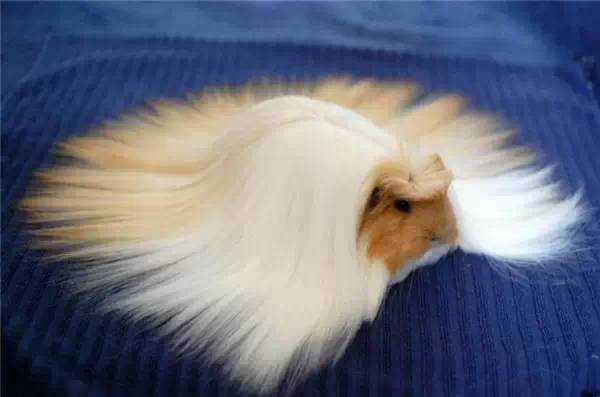
Native to the Andes Mountains of South America, the long-haired guinea pig, often known as the "Peruvian guinea pig" or "Sheltie," has captivated pet enthusiasts worldwide with its flowing, silky fur and gentle demeanor. Descended from wild cavies domesticated by the Incas over 3,000 years ago, these rodents blend practical utility with ornamental appeal, standing out as both charming companions and living links to ancient Andean culture.


A Coat of Many Textures: Breeds and Physical Traits

Long-haired guinea pigs come in several distinct breeds, each defined by fur length and pattern:


  • Peruvian: Features a rosette (curl) on the crown and hair that grows backward, creating a mane-like effect.
  • Sheltie (Silkie): Fur grows forward, covering the face, with a smooth, non-rosetted coat.
  • Coronet: Similar to the Peruvian but with a central rosette and longer, more luxurious hair.


Their fur can reach up to 30 centimeters in length, requiring daily grooming to prevent matting. Weighing 1–1.5 kilograms, they have stocky bodies, short legs, and large, expressive eyes. Unlike wild ancestors, domesticated varieties thrive on a diet of hay, fresh vegetables, and specialized pellets, with their long fur serving no practical survival purpose—instead, a result of selective breeding for aesthetic appeal.

Cultural Significance and Modern Care

In ancient Peru, guinea pigs were revered in rituals and used as a food source, while their fur was woven into textiles. Today, they are beloved pets, valued for their docile nature and ease of care (despite grooming needs). Popular in households and educational settings, they socialize well with humans and other guinea pigs, requiring spacious enclosures and regular veterinary check-ups to prevent dental and skin issues. Conservation efforts in South America also recognize their role in traditional ecosystems, though domestic breeds exist primarily in captivity.


As living symbols of Andean heritage and adorable companions, long-haired guinea pigs bridge the gap between historical domestication and modern pet culture. Their flowing manes, a product of millennia of human interaction, serve as a reminder that some of nature’s most charming creatures are shaped by both evolution and human care—a testament to the enduring bond between humans and the animal kingdom.
Latest Stories
Feline News2 minute readThe Kurilian Bobtail Longhair, a captivating breed hailing from Russia’s Sakhalin Island and the Kuril Archipelago, has emerged as a fascinating subject in the international feline community. With its distinctive bobbed tail and striking appearance, this natural breed is garnering recognition for its unique history, robust health, and affectionate demeanor.
Life News2 minute readOn the streets and alleys of Italy, gelato is more than just a refreshing dessert; it is a vivid embodiment of the country's culinary philosophy. Compared to the common American ice cream, this Italian classic has become an irreplaceable culinary symbol in the hearts of food lovers worldwide, thanks to its unique craftsmanship and texture.
Feline News2 minute readIn 1982, a bald kitten with an unusual genetic mutation emerged in a barn on an Oregon cherry farm, marking the accidental birth of one of the world’s most distinctive feline breeds—the LaPerm. This curly-coated wonder, named for its "wavy" or "rippled" fur, has since captivated cat lovers globally with its unique appearance and playful personality .
Feline News1 minute readThe Brazilian Shorthair, a distinctive feline breed native to Brazil, has captivated cat enthusiasts with its charming personality and adaptable nature. Originating from the country's street cats, the breed was formally recognized in the 1980s after decades of selective breeding to preserve its unique traits.
Feline News1 minute readIn recent days, a cat named Marguerite has quietly risen to fame in a suburban community. The 3-year-old orange-and-white feline, once a street stray, has now become a "heartwarming bond" connecting neighbors.
Feline News2 minute readOriginating from the city of Rostov-on-Don in Russia, the Donskoy cat, also known as the Don Sphynx, has captivated feline enthusiasts worldwide with its unique appearance and affectionate demeanor. First discovered in 1987 when Professor Elena Kovaleva rescued a hairless kitten named Varvara, the breed emerged from a natural genetic mutation that resulted in a lack of fur. Varvara’s subsequent litters produced both haired and hairless kittens, leading breeder Irina Nemykina to develop the Donskoy through selective breeding with European Shorthairs. Recognized by The International Cat Associat
Feline News2 minute readThe Nebelung, a captivating feline often mistaken for the Russian Blue, is a rare breed celebrated for its striking appearance and gentle demeanor. Originating in the U.S. during the 1980s, this breed emerged from intentional crossbreeding to replicate the elegance of Victorian-era long-haired blue cats. Named after the German word "nebel" (meaning "mist"), the Nebelung’s silvery-tipped blue-gray coat evokes a misty aura, while its green or yellow-green eyes add to its enigmatic charm.