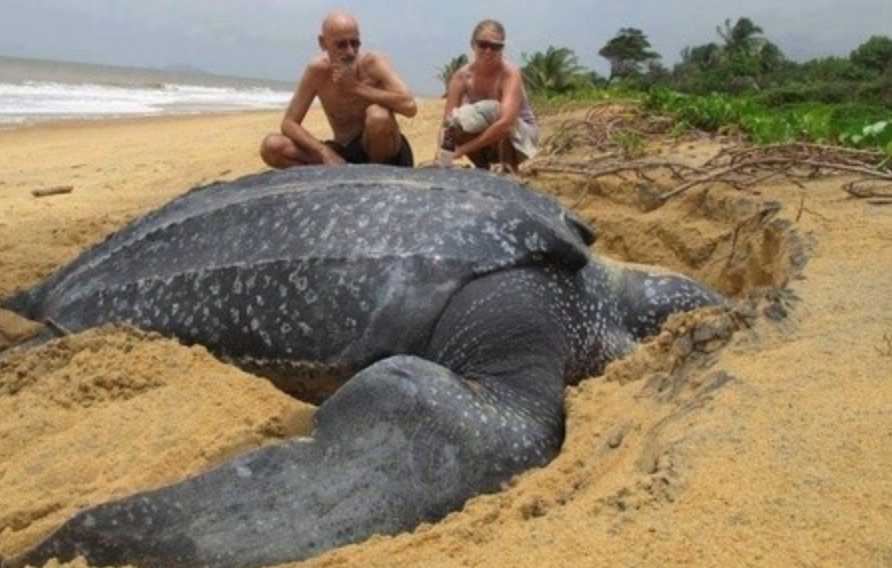
Deadly Beauty: The Endangered Plight of the Golden Poison Frog
In the rainforests along Colombia’s Pacific coast resides a creature barely 5 centimeters long yet feared by all—Phyllobates terribilis, known as the golden poison frog. Cloaked in vivid orange or gold, this small amphibian ranks among the most toxic organisms on Earth. Its brilliant hue is no mere adornment, but nature’s blunt warning: keep away.
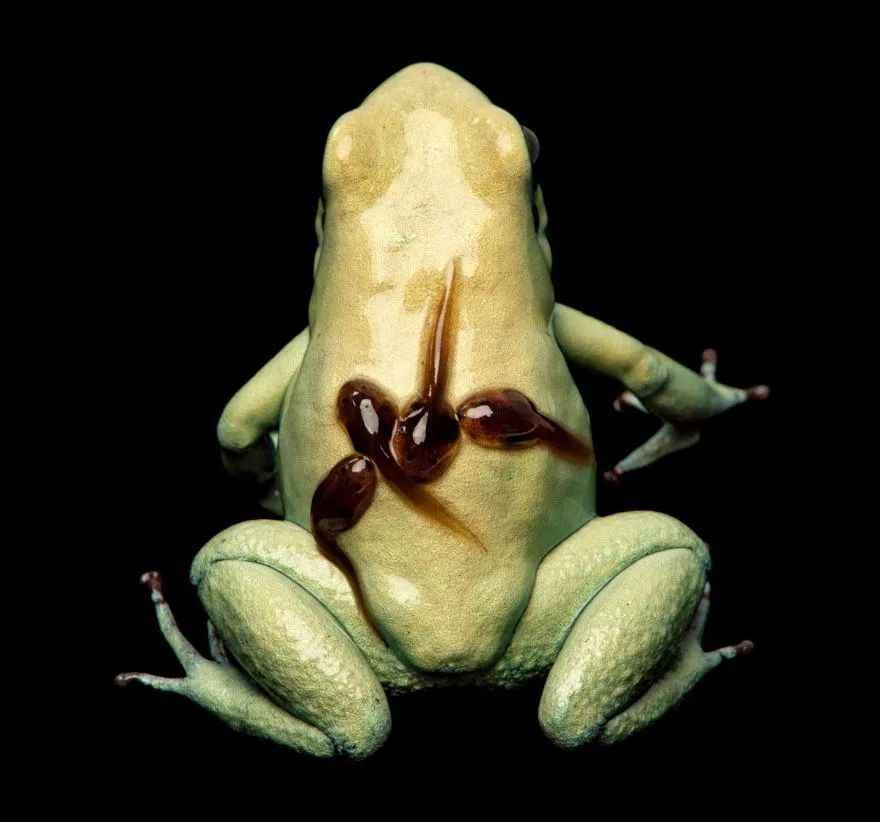
The Pink Bottlenose Dolphin: Nature’s Rare Blush-Hued Marine Marvel
A rare and captivating variant of the common bottlenose dolphin (Tursiops truncatus), the pink bottlenose dolphin has fascinated marine biologists and enthusiasts with its striking rosy hue. Spotted in coastal waters from the Gulf of Mexico to Southeast Asia, this genetic anomaly stands out not only for its color but also for the mysteries surrounding its unique pigmentation.
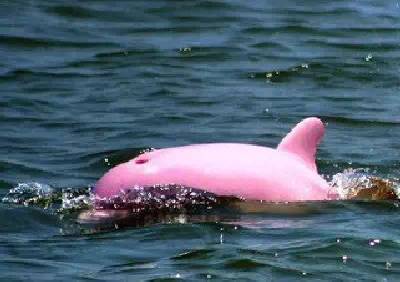
Mexican Caecilian: A Vulnerable Amphibian Hiding in Soil
Beneath the soft soils of Mexico, a creature that resembles a giant earthworm quietly resides. But don't be fooled by its appearance—this is no worm. It's Dermophis mexicanus, a unique amphibian with a surprising secret: its limbs have completely vanished over time.
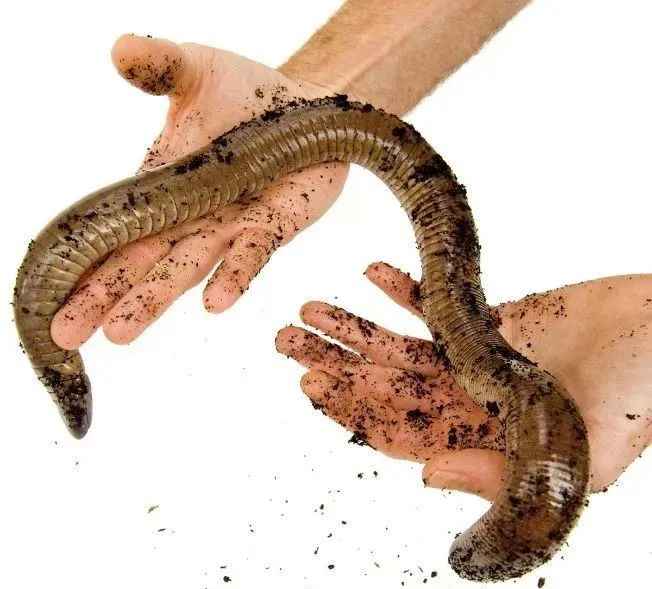
Four-Eyed Turtle: A Unique Freshwater Species Teeters on the Brink of Extinction
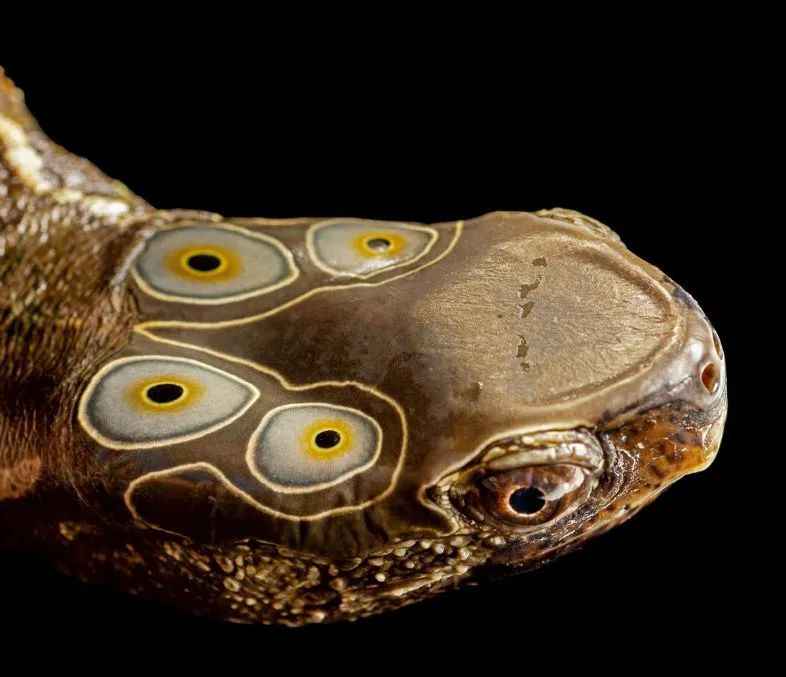
The four-eyed turtle (Sacalia quadriocellata), a rare freshwater reptile native to Southeast Asia, has captured global attention for its distinctive appearance and critical endangered status. Contrary to its common name, this small turtle—typically measuring under 20 centimeters in length—possesses only two functional eyes. Its moniker derives from four striking ocelli (eye-like spots) atop its head: two pairs of bright yellow markings ringed with dark pigment, resembling additional eyes and forming one of nature’s most intriguing examples of mimicry.
Critically Endangered Brown Spider Monkeys: Vital Seed Dispersers in South American Rainforests
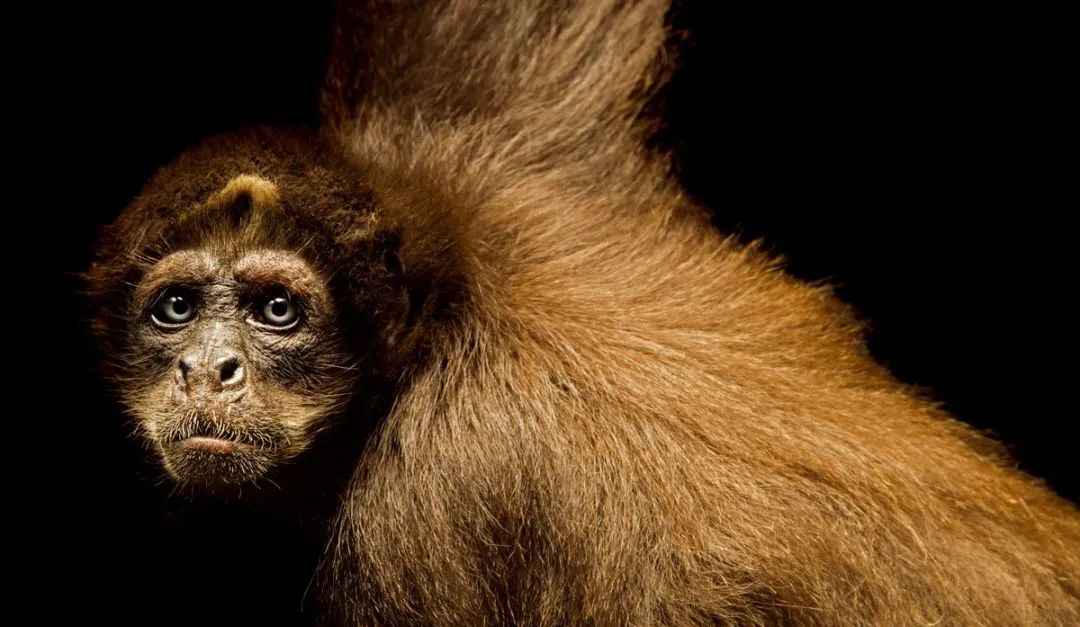
Deep within the pristine rainforests of South America, a silent ecological crisis looms for one of the continent’s most imperiled primates: the brown spider monkey (Ateles hybridus). Classified as "Critically Endangered" by the International Union for Conservation of Nature (IUCN), this species plays an irreplaceable role in sustaining the health of its habitat—serving as a linchpin for seed dispersal that supports hundreds of plant species.
The Thorny Devil: Australia’s Armor-Plated Lizard with a Unique Survival Strategy
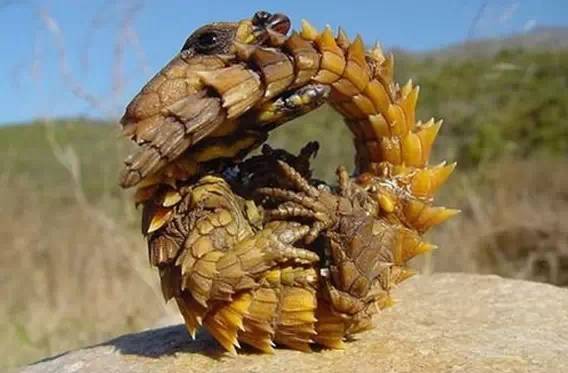
Native to the arid deserts of central and western Australia, the thorny devil (Moloch horridus), also known as the moloch or thorny dragon, is a reptile like no other. Covered in spiky protrusions and adapted to survive in harsh desert conditions, this small lizard has evolved extraordinary features to thrive in one of the world’s most unforgiving environments.
The Red-Lipped Batfish: Galápagos’ Quirky Underwater Celebrity with a Pouty Predatory Style
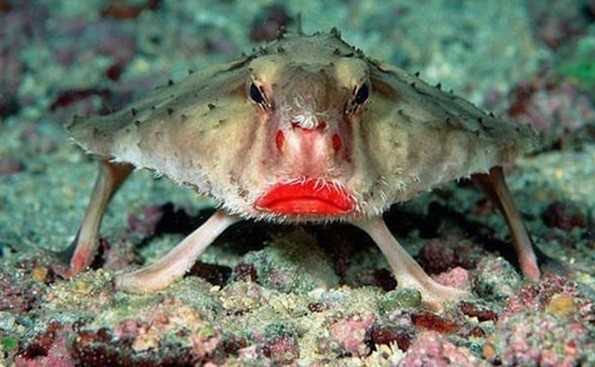
Native to the coastal waters of the Galápagos Islands and Peru, the red-lipped batfish (Ogcocephalus darwini) has become an internet sensation for its most striking feature—bright red, pouty lips that contrast vividly with its grayish-brown body. This unusual fish, adapted for life on the ocean floor, trades swimming for "walking" using modified pectoral fins, making it a fascinating example of evolutionary specialization.