




Gourmet Food


2 minute read

Savoring Latin America's Culinary Treasures: Argentina's Chimichurri, Dulce de Leche, and Venezuela's Arepas

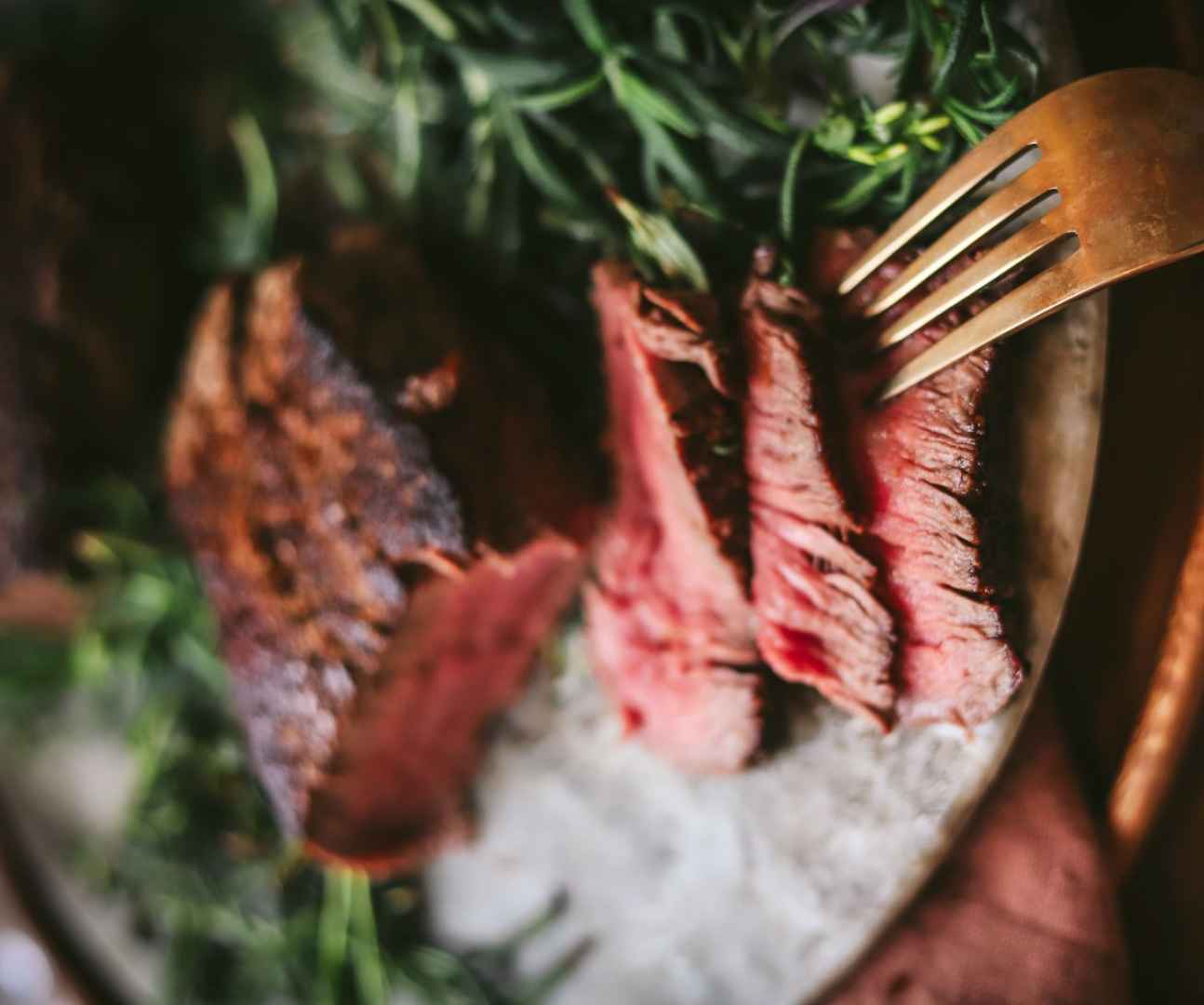
Originating in Argentina, chimichurri is a vibrant garlic sauce that adds a burst of flavor to grilled dishes. This striking red-green condiment is traditionally served with grilled steak but elevates pork, chicken, lamb, and fish alike. Often paired with a glass of Malbec wine, it’s an iconic element of Argentine asado (barbecue) culture.

Savoring Latin America's Culinary Treasures: Argentina's Chimichurri, Dulce de Leche, and Venezuela's Arepas
2 minute read

Unveiling Latin America’s Culinary Gems: Argentina’s Asado, Brazil’s Feijoada, and Argentina’s Milanesa

In Argentina, asado is more than a meal—it’s a sacred social ritual where friends and family gather to celebrate outdoor cooking. Fueled by charcoal or wood (with wood being iconic in rural settings), this tradition revolves around grilling every part of the animal. Staples include sausages, steaks, short ribs, spare ribs, riblets, tenderloin, rump, and belly.

Unveiling Latin America’s Culinary Gems: Argentina’s Asado, Brazil’s Feijoada, and Argentina’s Milanesa
3 minute read

Argentina’s Alfajor and Parrilla, Brazil’s Churrasco, and Peru’s Ceviche

An iconic Argentine treat, the alfajor is a sandwich-style dessert made with two or more cookies filled with luscious layers of dulce de leche, honey, or fruit preserves, often coated in chocolate, sugar icing, or powdered sugar. Some versions incorporate nuts like almonds or chunks of chocolate for texture.

Argentina’s Alfajor and Parrilla, Brazil’s Churrasco, and Peru’s Ceviche
2 minute read

Exploring Brazil's Diverse Culinary Landscape: Must-Try Traditional Dishes

When visiting Brazil, immersing yourself in its vibrant atmosphere and stunning coastal scenery is a given, but no trip is complete without indulging in the country’s rich culinary heritage. Shaped by European, African, and indigenous influences, Brazilian cuisine offers a unique blend of flavors and traditions. Join us on a gastronomic journey to discover the dishes that define Brazil’s food culture.

Exploring Brazil's Diverse Culinary Landscape: Must-Try Traditional Dishes
2 minute read

Exploring the Rich Tapestry of Brazilian Cuisine: Three Must-Try Traditional Dishes

Brazil's culinary landscape is a vibrant fusion of flavors, cultures, and traditions, reflecting the country's diverse heritage. From the sizzling grills of churrascarias to the comforting warmth of home-cooked meals, each dish tells a story. Here are three iconic Brazilian foods that showcase the heart and soul of this culinary-rich nation.

Exploring the Rich Tapestry of Brazilian Cuisine: Three Must-Try Traditional Dishes
2 minute read

Exploring German Cuisine: Three Traditional Dishes That Surprise Foreigners

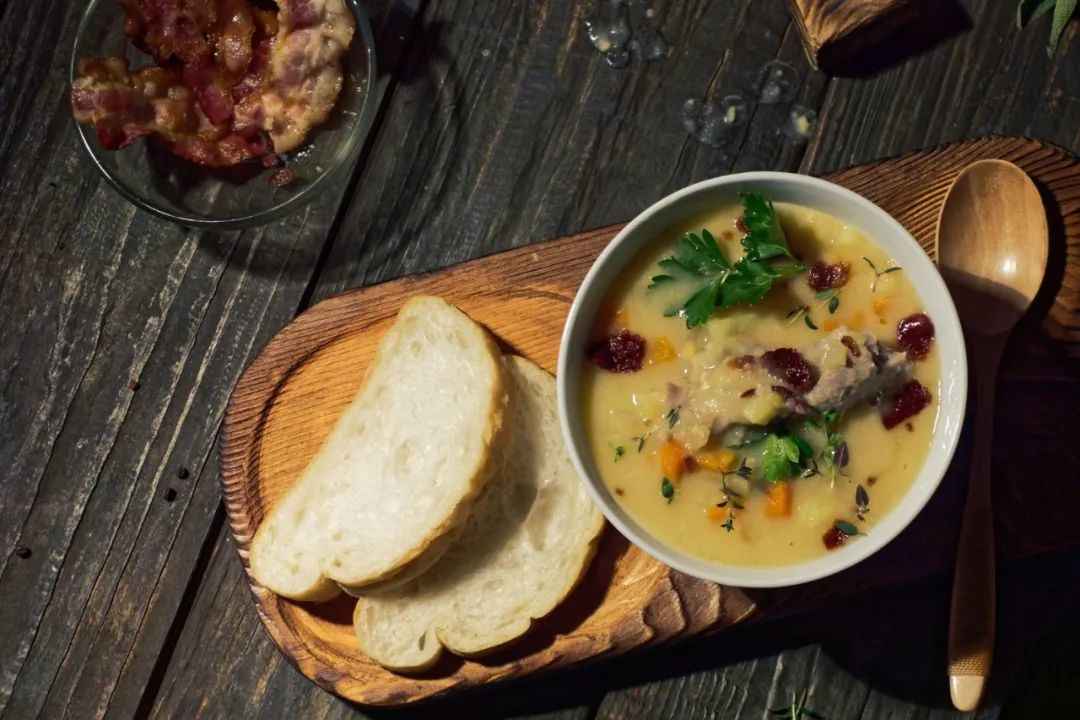
Germany's culinary heritage is rich with unique and flavorful dishes, but not all of them appeal to every palate. For many foreigners, especially those unaccustomed to certain ingredients or preparation methods, some traditional German foods can be a visual and cultural challenge. Here are three classic German dishes that often leave international visitors both curious and hesitant:

Exploring German Cuisine: Three Traditional Dishes That Surprise Foreigners
2 minute read

Unappetizing German Dishes That Leave Foreigners Baffled

German cuisine is filled with a variety of traditional dishes, yet some fare proves too adventurous for the average international diner. Here are four German staples that frequently bewilder and deter foreigners, owing to their peculiar appearances and challenging flavors.

Unappetizing German Dishes That Leave Foreigners Baffled

Latest Stories
Feline News2 minute readThe Kurilian Bobtail Longhair, a captivating breed hailing from Russia’s Sakhalin Island and the Kuril Archipelago, has emerged as a fascinating subject in the international feline community. With its distinctive bobbed tail and striking appearance, this natural breed is garnering recognition for its unique history, robust health, and affectionate demeanor.
Life News2 minute readOn the streets and alleys of Italy, gelato is more than just a refreshing dessert; it is a vivid embodiment of the country's culinary philosophy. Compared to the common American ice cream, this Italian classic has become an irreplaceable culinary symbol in the hearts of food lovers worldwide, thanks to its unique craftsmanship and texture.
Feline News2 minute readIn 1982, a bald kitten with an unusual genetic mutation emerged in a barn on an Oregon cherry farm, marking the accidental birth of one of the world’s most distinctive feline breeds—the LaPerm. This curly-coated wonder, named for its "wavy" or "rippled" fur, has since captivated cat lovers globally with its unique appearance and playful personality .
Feline News1 minute readThe Brazilian Shorthair, a distinctive feline breed native to Brazil, has captivated cat enthusiasts with its charming personality and adaptable nature. Originating from the country's street cats, the breed was formally recognized in the 1980s after decades of selective breeding to preserve its unique traits.
Feline News1 minute readIn recent days, a cat named Marguerite has quietly risen to fame in a suburban community. The 3-year-old orange-and-white feline, once a street stray, has now become a "heartwarming bond" connecting neighbors.
Feline News2 minute readOriginating from the city of Rostov-on-Don in Russia, the Donskoy cat, also known as the Don Sphynx, has captivated feline enthusiasts worldwide with its unique appearance and affectionate demeanor. First discovered in 1987 when Professor Elena Kovaleva rescued a hairless kitten named Varvara, the breed emerged from a natural genetic mutation that resulted in a lack of fur. Varvara’s subsequent litters produced both haired and hairless kittens, leading breeder Irina Nemykina to develop the Donskoy through selective breeding with European Shorthairs. Recognized by The International Cat Associat
Feline News2 minute readThe Nebelung, a captivating feline often mistaken for the Russian Blue, is a rare breed celebrated for its striking appearance and gentle demeanor. Originating in the U.S. during the 1980s, this breed emerged from intentional crossbreeding to replicate the elegance of Victorian-era long-haired blue cats. Named after the German word "nebel" (meaning "mist"), the Nebelung’s silvery-tipped blue-gray coat evokes a misty aura, while its green or yellow-green eyes add to its enigmatic charm.