Exploring German Cuisine: Three Traditional Dishes That Surprise Foreigners


Life News
Exploring German Cuisine: Three Traditional Dishes That Surprise Foreigners

Germany's culinary heritage is rich with unique and flavorful dishes, but not all of them appeal to every palate. For many foreigners, especially those unaccustomed to certain ingredients or preparation methods, some traditional German foods can be a visual and cultural challenge. Here are three classic German dishes that often leave international visitors both curious and hesitant:

1. Mett – Raw Minced Pork


Source: Images from the Internet, if there is any infringement, please contact the removal of
 
 
Mett is a dish consisting of raw minced pork, typically spread on bread and seasoned with onions and spices, enjoyed as a breakfast or snack in Germany. While beloved by locals as a delicacy, its appearance often "deters" foreigners unaccustomed to eating raw meat.
Why It Sparks Dread: Concerns about food hygiene and the visual impact of pink raw meat make many foreigners hesitant, particularly tourists from Asia or the Americas.
Foreign Reactions: "Is this really safe to eat directly? Isn’t this just the minced meat raw material from the butcher shop?"

2. Blutwurst – Blood Sausage


Source: Images from the Internet, if there is any infringement, please contact the removal of


Blutwurst is a black sausage made from pig’s blood, fat, and grains, typically fried or boiled and served with a soft, tender texture.
Why It Sparks Dread: The use of pig’s blood as a primary ingredient is psychologically challenging for many foreigners, especially in cultures where blood-based foods are stigmatized. Its dark appearance also contributes to its intimidating reputation.
Foreign Reactions: "This looks like a prop from a horror movie. Are we sure it’s edible?"
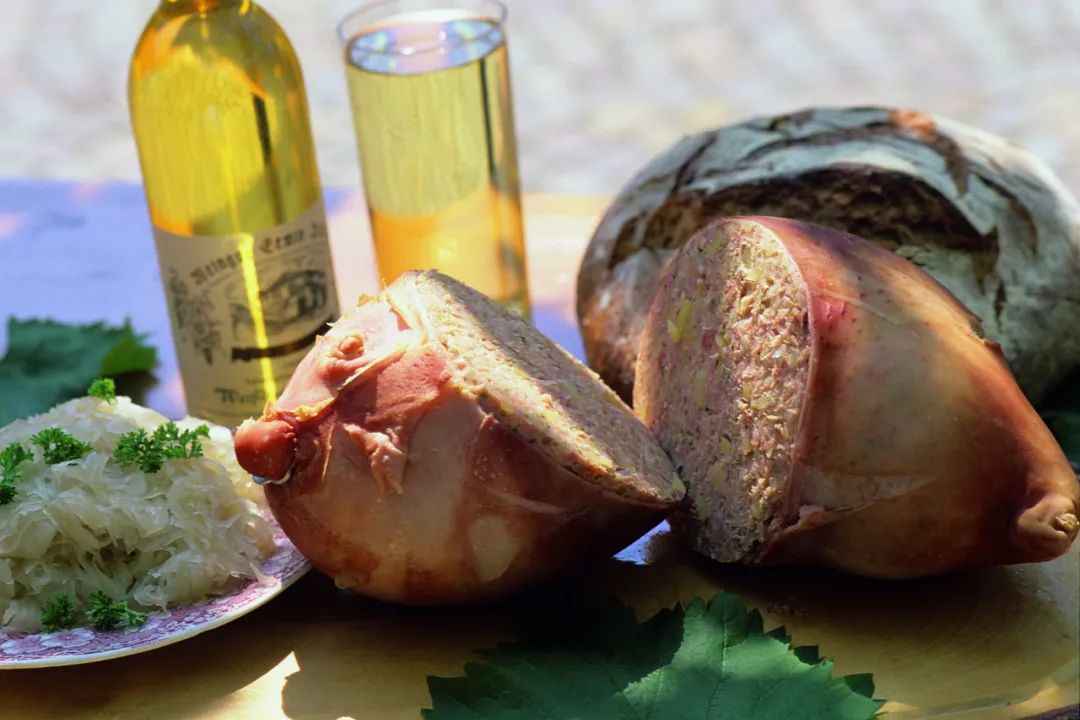
3. Saumagen – Stuffed Pig Stomach


Source: Images from the Internet, if there is any infringement, please contact the removal of


A specialty of the Rhineland-Palatinate region, Saumagen is made by stuffing a pig stomach with sausage meat, potatoes, and spices, then cooking and slicing it.
Why It Sparks Dread: The concept of using a pig stomach as a container is bold for foreigners, who may be put off by the (odor) and texture of offal.
Foreign Reactions: "Eating a stomach? Doesn’t the stuff inside feel like it’s already been ‘processed’ once?"


These dishes highlight the fascinating cultural diversity in food preferences. While they may surprise or even challenge foreign tastes, they remain cherished parts of Germany’s culinary identity, reflecting regional traditions and historical cooking practices. For adventurous eaters, they offer a unique window into the heart of German culture – though newcomers might want to approach them with an open mind (and perhaps a small first bite).


Note: This article is for cultural exchange purposes and does not reflect a judgment on any culinary tradition.

Latest Stories
Feline News2 minute readThe Kurilian Bobtail Longhair, a captivating breed hailing from Russia’s Sakhalin Island and the Kuril Archipelago, has emerged as a fascinating subject in the international feline community. With its distinctive bobbed tail and striking appearance, this natural breed is garnering recognition for its unique history, robust health, and affectionate demeanor.
Life News2 minute readOn the streets and alleys of Italy, gelato is more than just a refreshing dessert; it is a vivid embodiment of the country's culinary philosophy. Compared to the common American ice cream, this Italian classic has become an irreplaceable culinary symbol in the hearts of food lovers worldwide, thanks to its unique craftsmanship and texture.
Feline News2 minute readIn 1982, a bald kitten with an unusual genetic mutation emerged in a barn on an Oregon cherry farm, marking the accidental birth of one of the world’s most distinctive feline breeds—the LaPerm. This curly-coated wonder, named for its "wavy" or "rippled" fur, has since captivated cat lovers globally with its unique appearance and playful personality .
Feline News1 minute readThe Brazilian Shorthair, a distinctive feline breed native to Brazil, has captivated cat enthusiasts with its charming personality and adaptable nature. Originating from the country's street cats, the breed was formally recognized in the 1980s after decades of selective breeding to preserve its unique traits.
Feline News1 minute readIn recent days, a cat named Marguerite has quietly risen to fame in a suburban community. The 3-year-old orange-and-white feline, once a street stray, has now become a "heartwarming bond" connecting neighbors.
Feline News2 minute readOriginating from the city of Rostov-on-Don in Russia, the Donskoy cat, also known as the Don Sphynx, has captivated feline enthusiasts worldwide with its unique appearance and affectionate demeanor. First discovered in 1987 when Professor Elena Kovaleva rescued a hairless kitten named Varvara, the breed emerged from a natural genetic mutation that resulted in a lack of fur. Varvara’s subsequent litters produced both haired and hairless kittens, leading breeder Irina Nemykina to develop the Donskoy through selective breeding with European Shorthairs. Recognized by The International Cat Associat
Feline News2 minute readThe Nebelung, a captivating feline often mistaken for the Russian Blue, is a rare breed celebrated for its striking appearance and gentle demeanor. Originating in the U.S. during the 1980s, this breed emerged from intentional crossbreeding to replicate the elegance of Victorian-era long-haired blue cats. Named after the German word "nebel" (meaning "mist"), the Nebelung’s silvery-tipped blue-gray coat evokes a misty aura, while its green or yellow-green eyes add to its enigmatic charm.