Exploring Brazil's Diverse Culinary Landscape: Must-Try Traditional Dishes


Life News
Exploring Brazil's Diverse Culinary Landscape: Must-Try Traditional Dishes

When visiting Brazil, immersing yourself in its vibrant atmosphere and stunning coastal scenery is a given, but no trip is complete without indulging in the country’s rich culinary heritage. Shaped by European, African, and indigenous influences, Brazilian cuisine offers a unique blend of flavors and traditions. Join us on a gastronomic journey to discover the dishes that define Brazil’s food culture.


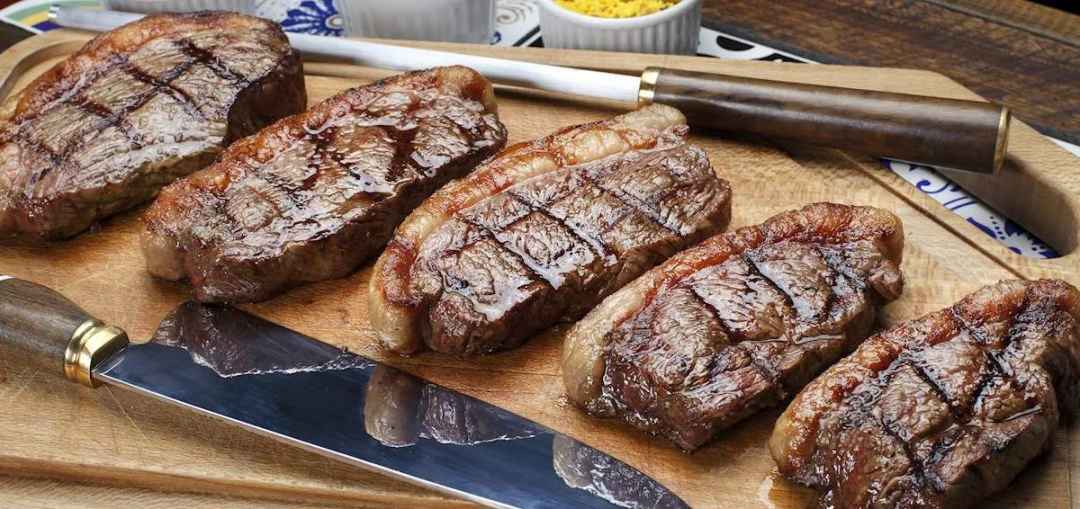
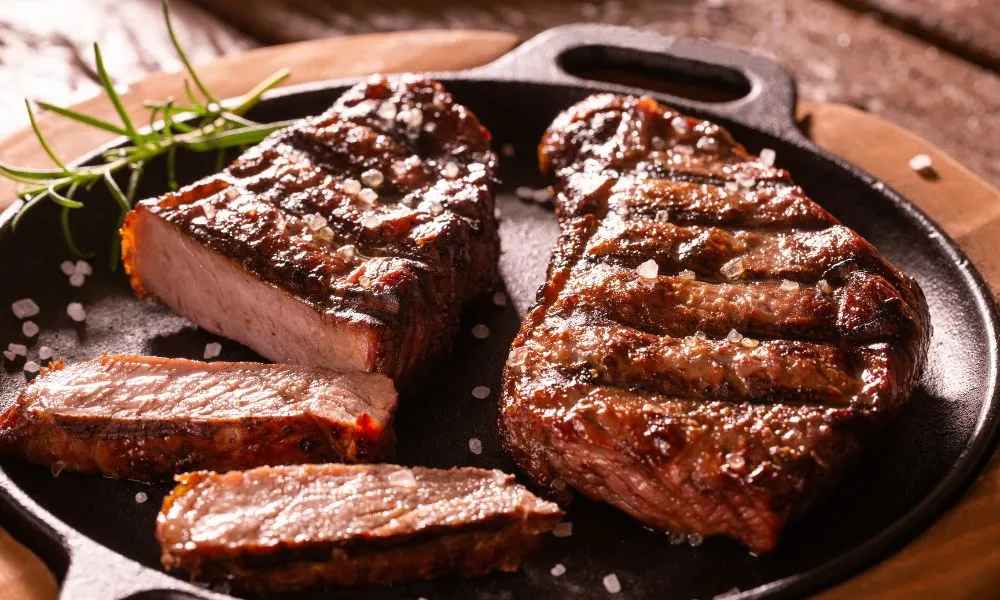
Ask any Brazilian, “What’s the best steak?” and 99% will answer: Picanha. While less common in China, this cut is the soul of Brazilian barbecues. Sourced from the upper part of the cow’s rump, picanha features a thick layer of fat that crisps and bastes the meat as it grills, creating an irresistible aroma. Almost every churrascaria (Brazilian steakhouse) serves picanha, with waiters slicing tender, juicy portions directly onto your plate. Savor it with a sprinkle of sea salt for a pure, authentic taste that captures the essence of Brazilian grilling.


02 Churrasco – A Carnivorous Paradise and Cultural Experience


Source: Images from the Internet, if there is any infringement, please contact the removal of
 
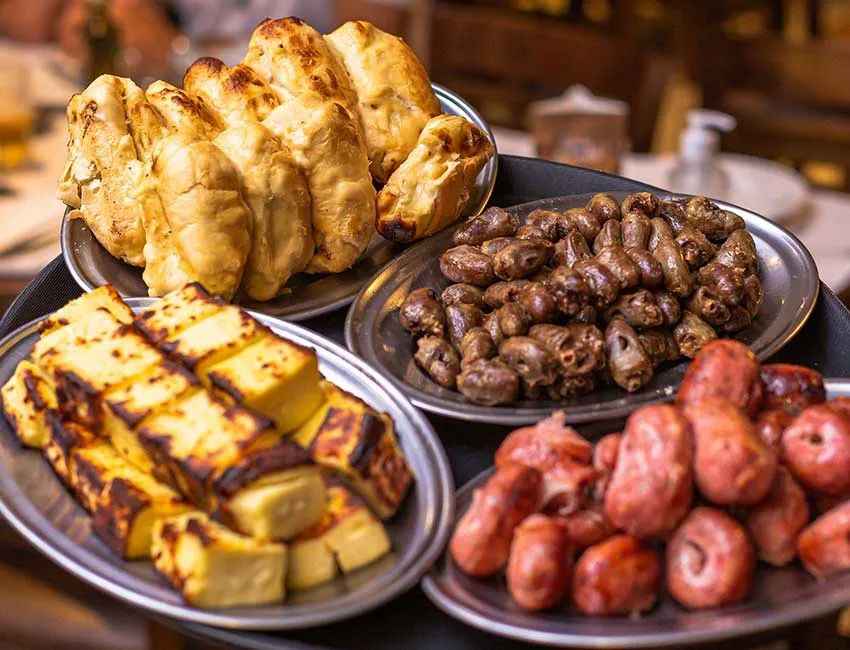
For meat lovers, Brazilian churrasco is a dream come true – and much more than just a meal. It’s a lively ritual where waiters, wielding long skewers of grilled meats, glide between tables like performers, offering freshly cooked cuts. Simply flip the table-side “green card” (for “yes”) or “red card” (for “no”) to control your meat flow. The selection is vast: steak, chicken thighs, sausages, lamb chops, pork ribs – even grilled chicken hearts (a local favorite!) and anchovies. Some restaurants add a sweet twist with grilled pineapple, whose juicy tang cuts through the richness of the meats. Pro tip: Pace yourself with appetizers – the main event is worth saving room for!

03 Maminha – The Tender Star of Steakhouse Menus


Source: Images from the Internet, if there is any infringement, please contact the removal of
 
Maminha is another beloved Brazilian beef cut, praised for its texture that balances the tenderness of filet mignon with the bite of sirloin. With lower fat content, it stays tender whether grilled or stewed. Many prefer it cooked to medium-rare, sliced thinly, and seasoned with sea salt to highlight its juicy, melt-in-your-mouth quality. A staple in churrascarias, it’s a testament to Brazil’s mastery of simple, flavorful preparations.


From sizzling steaks to communal grilling traditions, Brazil’s cuisine reflects its diverse heritage and passion for bold flavors. Whether you’re a meat lover or an adventurous foodie, these dishes promise an unforgettable taste of Brazil.
Latest Stories
Feline News2 minute readThe Kurilian Bobtail Longhair, a captivating breed hailing from Russia’s Sakhalin Island and the Kuril Archipelago, has emerged as a fascinating subject in the international feline community. With its distinctive bobbed tail and striking appearance, this natural breed is garnering recognition for its unique history, robust health, and affectionate demeanor.
Life News2 minute readOn the streets and alleys of Italy, gelato is more than just a refreshing dessert; it is a vivid embodiment of the country's culinary philosophy. Compared to the common American ice cream, this Italian classic has become an irreplaceable culinary symbol in the hearts of food lovers worldwide, thanks to its unique craftsmanship and texture.
Feline News2 minute readIn 1982, a bald kitten with an unusual genetic mutation emerged in a barn on an Oregon cherry farm, marking the accidental birth of one of the world’s most distinctive feline breeds—the LaPerm. This curly-coated wonder, named for its "wavy" or "rippled" fur, has since captivated cat lovers globally with its unique appearance and playful personality .
Feline News1 minute readThe Brazilian Shorthair, a distinctive feline breed native to Brazil, has captivated cat enthusiasts with its charming personality and adaptable nature. Originating from the country's street cats, the breed was formally recognized in the 1980s after decades of selective breeding to preserve its unique traits.
Feline News1 minute readIn recent days, a cat named Marguerite has quietly risen to fame in a suburban community. The 3-year-old orange-and-white feline, once a street stray, has now become a "heartwarming bond" connecting neighbors.
Feline News2 minute readOriginating from the city of Rostov-on-Don in Russia, the Donskoy cat, also known as the Don Sphynx, has captivated feline enthusiasts worldwide with its unique appearance and affectionate demeanor. First discovered in 1987 when Professor Elena Kovaleva rescued a hairless kitten named Varvara, the breed emerged from a natural genetic mutation that resulted in a lack of fur. Varvara’s subsequent litters produced both haired and hairless kittens, leading breeder Irina Nemykina to develop the Donskoy through selective breeding with European Shorthairs. Recognized by The International Cat Associat
Feline News2 minute readThe Nebelung, a captivating feline often mistaken for the Russian Blue, is a rare breed celebrated for its striking appearance and gentle demeanor. Originating in the U.S. during the 1980s, this breed emerged from intentional crossbreeding to replicate the elegance of Victorian-era long-haired blue cats. Named after the German word "nebel" (meaning "mist"), the Nebelung’s silvery-tipped blue-gray coat evokes a misty aura, while its green or yellow-green eyes add to its enigmatic charm.