A Gastronomic Journey: 10 Must-Try Traditional Desserts of Brazil


Life News
A Gastronomic Journey: 10 Must-Try Traditional Desserts of Brazil

Stretching from the north to the south, Brazil's cuisine is renowned for its diverse array of delectable typical dishes. Among them, sweets stand out as a paradise for those with a sweet tooth. Let’s embark on a mouthwatering exploration of ten traditional desserts from various regions of Brazil.

1. Brigadeiro
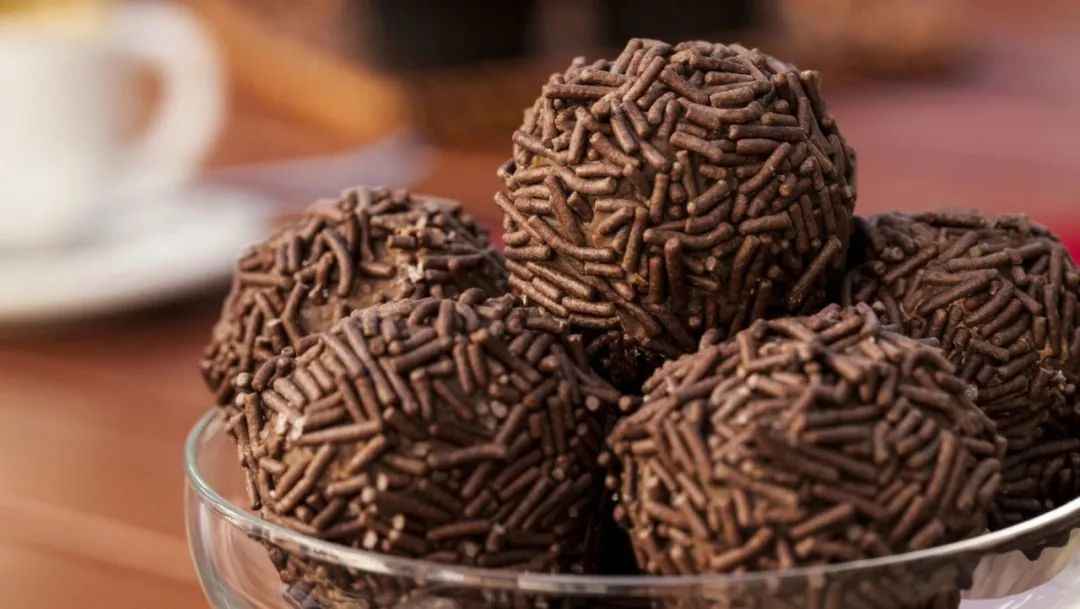
 
 
Source: Images from the Internet, if there is any infringement, please contact the removal of、


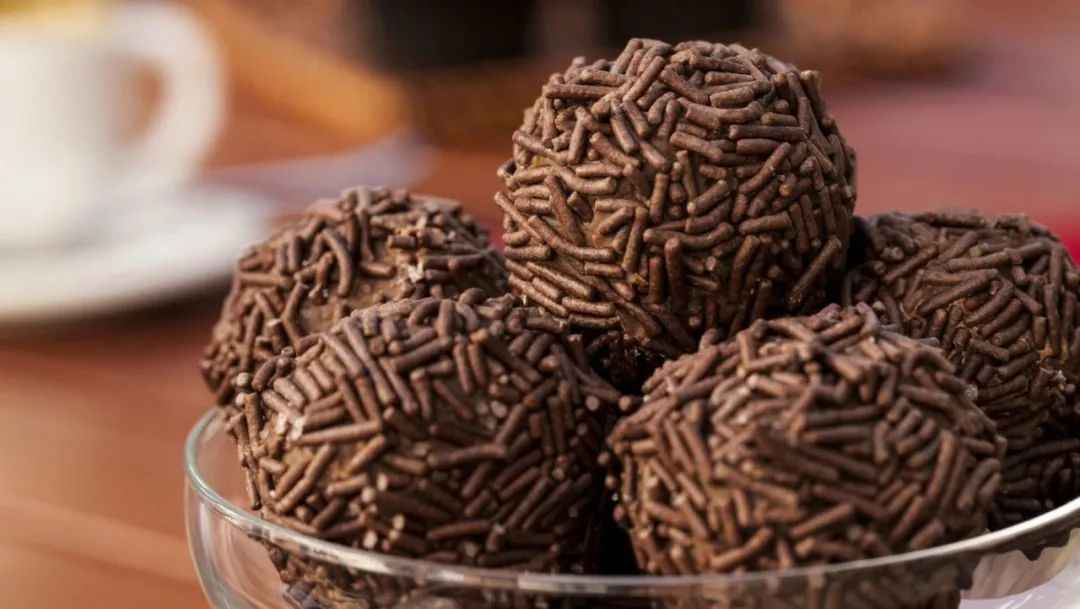
It's hard to believe that such a simple yet incredibly delicious confectionery is unique to a single place in the world. But indeed, the Brigadeiro, a mixture of cocoa powder and condensed milk, is a Brazilian delight! According to some accounts, the name "Brigadeiro" was inspired by Brigadier Eduardo Gomes, a presidential candidate who distributed these chocolate balls to win over voters. These bite-sized treats have since become a staple at Brazilian parties and celebrations, loved by people of all ages.


2. Goiabada
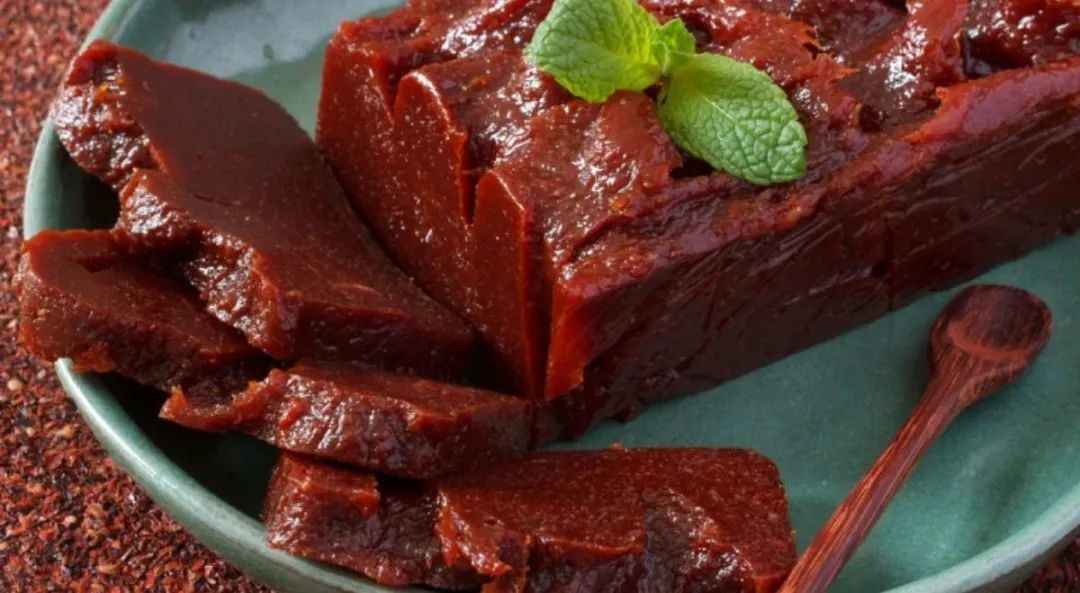
 
 
Source: Images from the Internet, if there is any infringement, please contact the removal of


Goiabada, or guava paste, is crafted by cooking guava fruit with a substantial amount of sugar. It is one of the most renowned masterpieces of Portuguese confectionery traditions. In Brazil, goiabada has achieved remarkable popularity and is incorporated into numerous other dishes, from cookies to cakes. Notably, when paired with cheese, it forms one of the country's iconic culinary combinations, affectionately known as "Romeu e Julieta" (Romeo and Juliet), symbolizing the perfect harmony of sweet and savory flavors.


3. Pé de Moleque
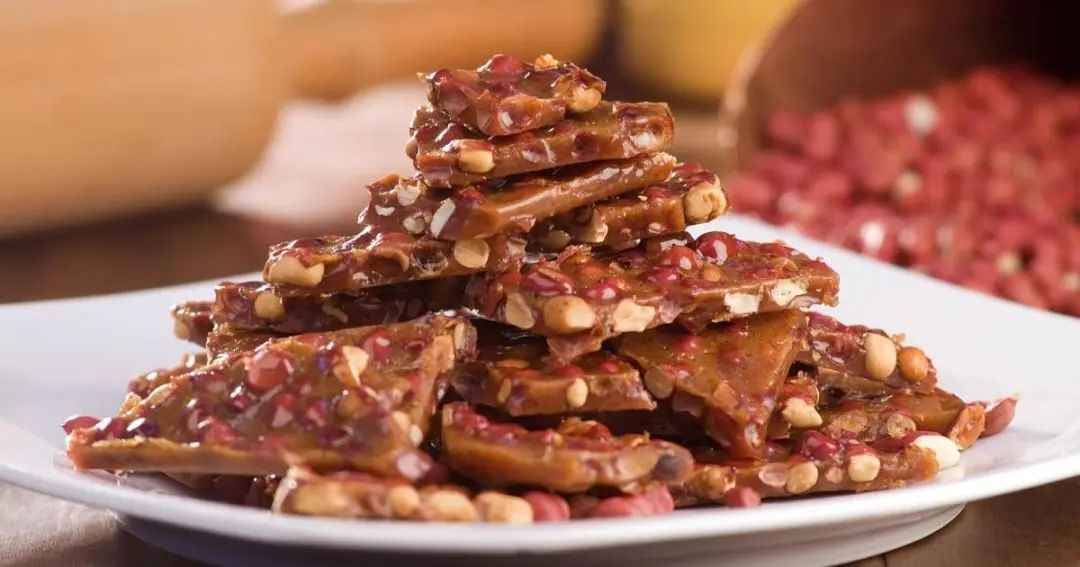
 
 
Source: Images from the Internet, if there is any infringement, please contact the removal of
 
 
A staple of Brazil's June festivals, Pé de Moleque is a classic Brazilian dessert made from a mixture of roasted peanuts and brown sugar. Emerging in the mid - 16th century, concurrent with the introduction of sugarcane to Brazil, this sweet treat has a rich history. Its crunchy texture and sweet - nutty flavor make it a beloved choice during festive celebrations, evoking a sense of nostalgia and cultural heritage among Brazilians.

Latest Stories
Feline News2 minute readThe Kurilian Bobtail Longhair, a captivating breed hailing from Russia’s Sakhalin Island and the Kuril Archipelago, has emerged as a fascinating subject in the international feline community. With its distinctive bobbed tail and striking appearance, this natural breed is garnering recognition for its unique history, robust health, and affectionate demeanor.
Life News2 minute readOn the streets and alleys of Italy, gelato is more than just a refreshing dessert; it is a vivid embodiment of the country's culinary philosophy. Compared to the common American ice cream, this Italian classic has become an irreplaceable culinary symbol in the hearts of food lovers worldwide, thanks to its unique craftsmanship and texture.
Feline News2 minute readIn 1982, a bald kitten with an unusual genetic mutation emerged in a barn on an Oregon cherry farm, marking the accidental birth of one of the world’s most distinctive feline breeds—the LaPerm. This curly-coated wonder, named for its "wavy" or "rippled" fur, has since captivated cat lovers globally with its unique appearance and playful personality .
Feline News1 minute readThe Brazilian Shorthair, a distinctive feline breed native to Brazil, has captivated cat enthusiasts with its charming personality and adaptable nature. Originating from the country's street cats, the breed was formally recognized in the 1980s after decades of selective breeding to preserve its unique traits.
Feline News1 minute readIn recent days, a cat named Marguerite has quietly risen to fame in a suburban community. The 3-year-old orange-and-white feline, once a street stray, has now become a "heartwarming bond" connecting neighbors.
Feline News2 minute readOriginating from the city of Rostov-on-Don in Russia, the Donskoy cat, also known as the Don Sphynx, has captivated feline enthusiasts worldwide with its unique appearance and affectionate demeanor. First discovered in 1987 when Professor Elena Kovaleva rescued a hairless kitten named Varvara, the breed emerged from a natural genetic mutation that resulted in a lack of fur. Varvara’s subsequent litters produced both haired and hairless kittens, leading breeder Irina Nemykina to develop the Donskoy through selective breeding with European Shorthairs. Recognized by The International Cat Associat
Feline News2 minute readThe Nebelung, a captivating feline often mistaken for the Russian Blue, is a rare breed celebrated for its striking appearance and gentle demeanor. Originating in the U.S. during the 1980s, this breed emerged from intentional crossbreeding to replicate the elegance of Victorian-era long-haired blue cats. Named after the German word "nebel" (meaning "mist"), the Nebelung’s silvery-tipped blue-gray coat evokes a misty aura, while its green or yellow-green eyes add to its enigmatic charm.