Savoring Germany: Iconic Sweet Delights Rooted in Tradition and Festivity


Life News
Savoring Germany: Iconic Sweet Delights Rooted in Tradition and Festivity

Germany's culinary landscape is rich with sweet treats that blend history, culture, and irresistible flavors. From celebratory cakes to seasonal specialties, these desserts offer a delicious glimpse into the nation's heritage.
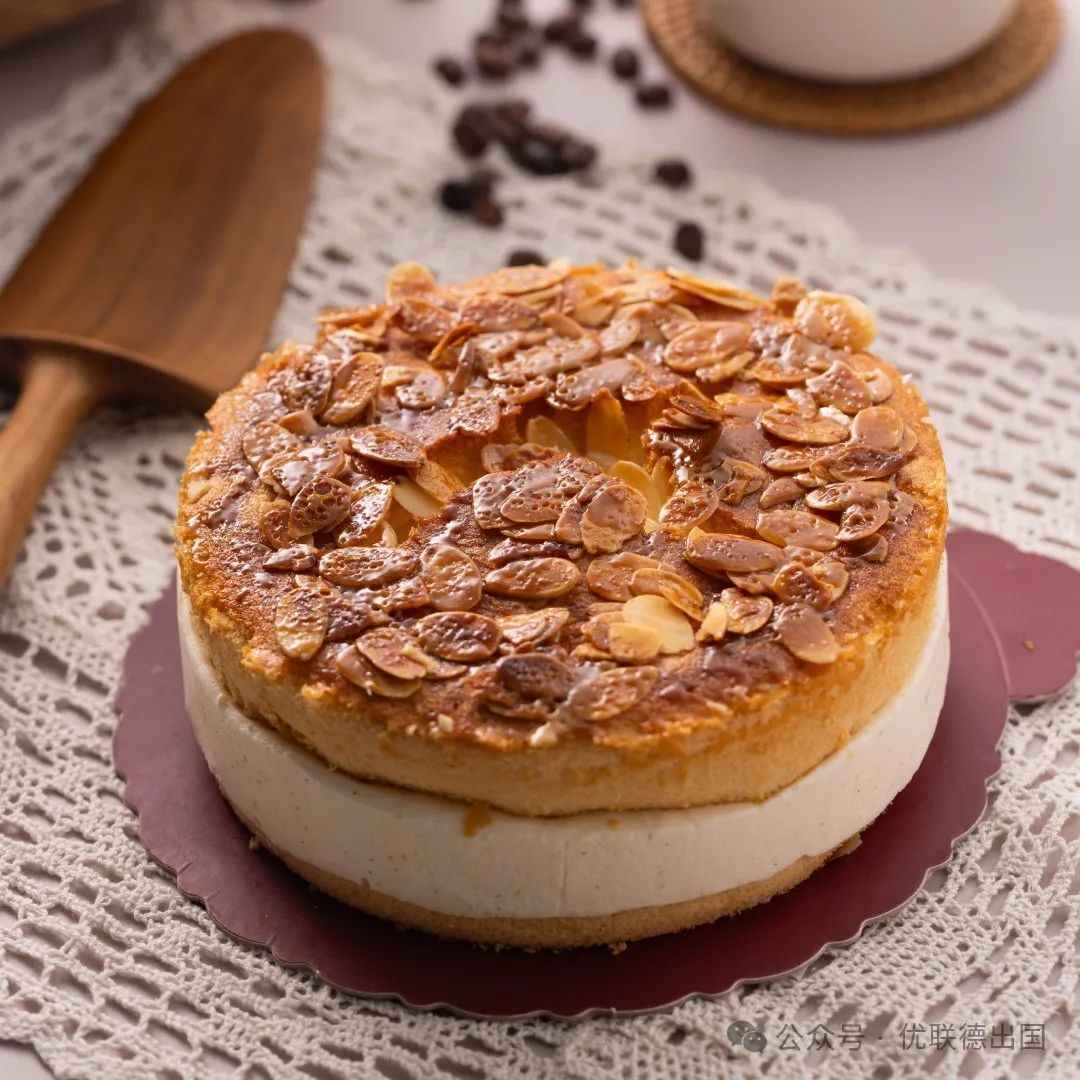
Bienenstich: The Sweet Story Behind "Bee Sting Cake"


Source: Images from the Internet, if there is any infringement, please contact the removal of


Bienenstich, or "Bee Sting Cake," is a beloved German classic with a captivating backstory. One popular legend traces its origin to the 15th century, when a baker from a village under attack used beehives to fend off invaders. To commemorate the victory, he created this unique cake. Today, Bienenstich is a staple in German bakeries, a favorite during the cherished "Kaffee und Kuchen Pause" (coffee and cake break). This delightful dessert features a sweet yeast dough base, filled with either vanilla custard or creamy cream. Topped with honey and almond slices that caramelize during baking, each bite offers a harmonious blend of textures and sweetness.

Spritzkuchen: Germany's Festive Fried Treat

Source: Images from the Internet, if there is any infringement, please contact the removal of


Spritzkuchen, a traditional German fried pastry, resembles doughnuts or small fried bread rolls. Crafted from a soft, malleable dough, it's piped into distinctive shapes, often rings or waves, and then fried to golden perfection, resulting in a crispy exterior and a tender, soft interior. A generous dusting of powdered sugar adds the final touch, enhancing its sweet appeal.


This dessert reaches peak popularity during German carnival celebrations, becoming a ubiquitous sight at festive events. In Berlin and its surrounding areas, Spritzkuchen holds a special place as a local classic, often referred to as the "Berlin - style doughnut." Found at street food stalls and pastry shops alike, it offers a delicious way to experience German street food culture. Some variations are even served with glazes or fruit jams, adding extra layers of flavor.

Pflaumenkuchen: A Seasonal Plum Delight


Source: Images from the Internet, if there is any infringement, please contact the removal of


From July to October, as Germany's plum season arrives, so does the perfect time to indulge in Pflaumenkuchen, or "Plum Cake," also known as Zwetschgenkuchen. Bakeries showcase these treats, featuring quartered Zwetschgen plums nestled on a delectable base.


The traditional Pflaumenkuchen uses a yeast - risen dough that's soft yet slightly chewy, allowing it to soak up the juicy goodness from the plums during baking. The plums, typically halved but left partially attached, transform from green to a deep, rich purple - red, releasing an enticing aroma. A sprinkling of sugar and cinnamon on top amplifies the sweetness and fragrance, while some versions include buttery streusel for a crunchy contrast. Whether enjoyed warm or cold, Pflaumenkuchen pairs beautifully with a dollop of fresh whipped cream or a drizzle of vanilla sauce, making it an ideal companion for an afternoon coffee or tea break.

Latest Stories
Feline News2 minute readThe Kurilian Bobtail Longhair, a captivating breed hailing from Russia’s Sakhalin Island and the Kuril Archipelago, has emerged as a fascinating subject in the international feline community. With its distinctive bobbed tail and striking appearance, this natural breed is garnering recognition for its unique history, robust health, and affectionate demeanor.
Life News2 minute readOn the streets and alleys of Italy, gelato is more than just a refreshing dessert; it is a vivid embodiment of the country's culinary philosophy. Compared to the common American ice cream, this Italian classic has become an irreplaceable culinary symbol in the hearts of food lovers worldwide, thanks to its unique craftsmanship and texture.
Feline News2 minute readIn 1982, a bald kitten with an unusual genetic mutation emerged in a barn on an Oregon cherry farm, marking the accidental birth of one of the world’s most distinctive feline breeds—the LaPerm. This curly-coated wonder, named for its "wavy" or "rippled" fur, has since captivated cat lovers globally with its unique appearance and playful personality .
Feline News1 minute readThe Brazilian Shorthair, a distinctive feline breed native to Brazil, has captivated cat enthusiasts with its charming personality and adaptable nature. Originating from the country's street cats, the breed was formally recognized in the 1980s after decades of selective breeding to preserve its unique traits.
Feline News1 minute readIn recent days, a cat named Marguerite has quietly risen to fame in a suburban community. The 3-year-old orange-and-white feline, once a street stray, has now become a "heartwarming bond" connecting neighbors.
Feline News2 minute readOriginating from the city of Rostov-on-Don in Russia, the Donskoy cat, also known as the Don Sphynx, has captivated feline enthusiasts worldwide with its unique appearance and affectionate demeanor. First discovered in 1987 when Professor Elena Kovaleva rescued a hairless kitten named Varvara, the breed emerged from a natural genetic mutation that resulted in a lack of fur. Varvara’s subsequent litters produced both haired and hairless kittens, leading breeder Irina Nemykina to develop the Donskoy through selective breeding with European Shorthairs. Recognized by The International Cat Associat
Feline News2 minute readThe Nebelung, a captivating feline often mistaken for the Russian Blue, is a rare breed celebrated for its striking appearance and gentle demeanor. Originating in the U.S. during the 1980s, this breed emerged from intentional crossbreeding to replicate the elegance of Victorian-era long-haired blue cats. Named after the German word "nebel" (meaning "mist"), the Nebelung’s silvery-tipped blue-gray coat evokes a misty aura, while its green or yellow-green eyes add to its enigmatic charm.