Aquatic Organism


2 minute read

The Galapagos Walking Fish: A Species That 'Walks' on the Ocean Floor Instead of Swimming

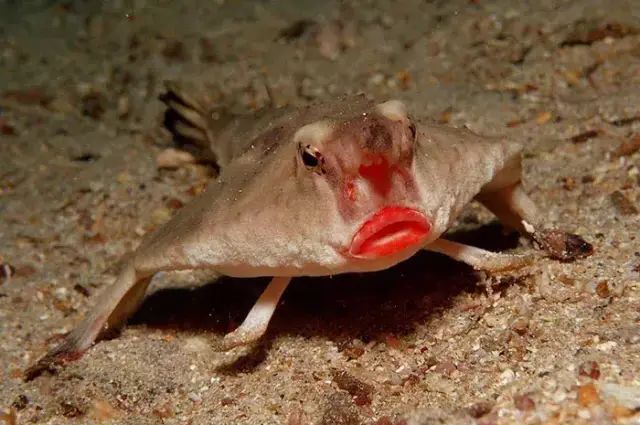
Discovered in the diverse marine ecosystems of the Galapagos Islands, a unique fish species has astonished scientists with its unconventional locomotion: rather than swimming, it "walks" along the ocean floor using modified pectoral fins. This extraordinary creature, known as the red-lipped batfish (Ogcocephalus darwini), exemplifies the bizarre adaptations that evolve in isolated environments like the Galapagos.
The Galapagos Walking Fish: A Species That 'Walks' on the Ocean Floor Instead of Swimming
2 minute read

The Pig-Nosed Turtle: A Unique Reptile Named for Its Snout, Easy to Keep but Prone to Illness

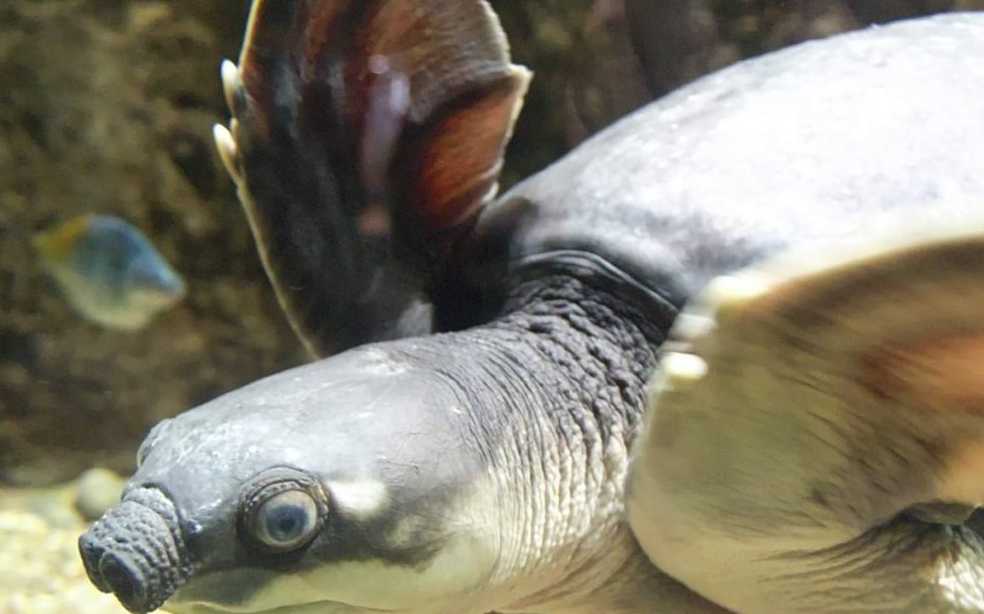
Native to freshwater rivers and lakes in northern Australia and New Guinea, the pig-nosed turtle (Carettochelys insculpta), aptly named for its pig-like snout, stands out among aquatic turtles for its distinctive appearance and paradoxical care requirements. While often praised as a manageable pet for reptile enthusiasts, this species also has a reputation for susceptibility to health issues, making it a fascinating yet challenging creature to maintain.
The Pig-Nosed Turtle: A Unique Reptile Named for Its Snout, Easy to Keep but Prone to Illness
2 minute read

The Bobbit Worm: Nature’s Terrifying Underwater Predator Straight Out of a Sci-Fi Movie

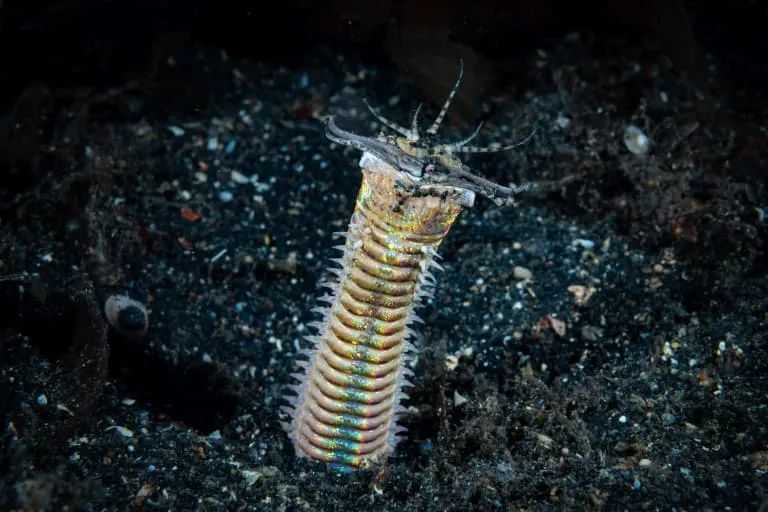
Often described as the stuff of nightmares, the Bobbit worm (Eunice aphroditois) is a marine polychaete worm that has earned its reputation as one of the ocean’s most otherworldly creatures. With a body that can stretch up to 3 meters in length, this subterranean predator lurks in tropical and subtropical seafloors, blending scientific fascination with sheer terror.
The Bobbit Worm: Nature’s Terrifying Underwater Predator Straight Out of a Sci-Fi Movie
2 minute read

The Bubble Alga: Nature’s Giant Single-Celled Marvel Floating in Tropical Seas

Known as the "bubble alga" or "sailor’s eyeball," Valonia ventricosa is a remarkable marine alga and one of the largest single-celled organisms on Earth. Thriving in tropical and subtropical oceans, this spherical green alga has fascinated biologists for its unique structure—each "bubble" is a single cell that can grow up to 5 centimeters in diameter, defying conventional notions of cellular size.
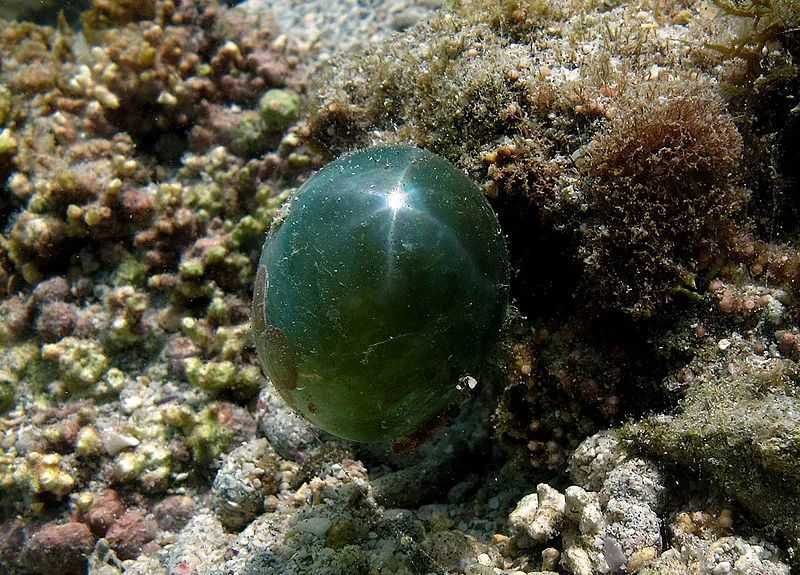
The Bubble Alga: Nature’s Giant Single-Celled Marvel Floating in Tropical Seas
1 minute read

The Leaf Sheep Slug: Nature’s Photosynthetic Marvel That 'Steals' Chloroplasts to Survive

The leaf sheep slug (Elysia chlorotica), a marine gastropod, defies biological norms by hijacking chloroplasts from algae and using them for photosynthesis—allowing it to go 9 to 10 months without eating. This extraordinary ability, known as kleptoplasty, has made it a celebrity in the scientific world, blurring the line between animal and plant.
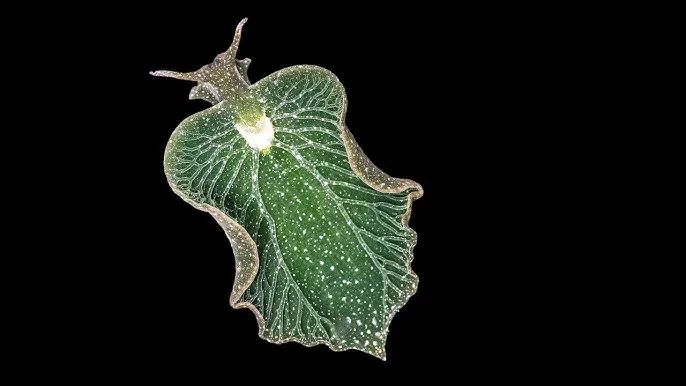
The Leaf Sheep Slug: Nature’s Photosynthetic Marvel That 'Steals' Chloroplasts to Survive
2 minute read

The Leafy Sea Dragon: Master of Marine Camouflage from Australia’s Coastal Waters

Belonging to the genus Phycodurus within the seadragon family (Syngnathidae), the leafy sea dragon is a remarkable fish adapted to life along the southern and western coasts of Australia. Recognized for its elaborate leaf-like appendages, this species has evolved one of nature’s most extraordinary camouflage strategies, blending seamlessly with oceanic vegetation.
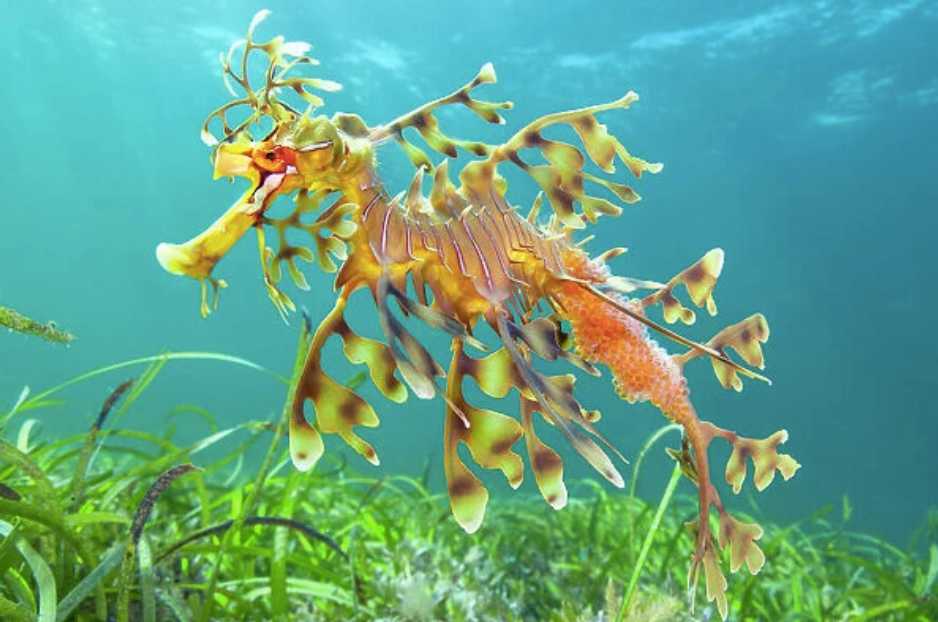
The Leafy Sea Dragon: Master of Marine Camouflage from Australia’s Coastal Waters
1 minute read

The Skeleton Panda Sea Squirt: A Quirky Marine Marvel

The skeleton panda sea squirt (Clavelina ossipandae) is a newly discovered marine species that has taken the scientific world by storm.

The Skeleton Panda Sea Squirt: A Quirky Marine Marvel

Latest Stories
Feline News2 minute readThe Kurilian Bobtail Longhair, a captivating breed hailing from Russia’s Sakhalin Island and the Kuril Archipelago, has emerged as a fascinating subject in the international feline community. With its distinctive bobbed tail and striking appearance, this natural breed is garnering recognition for its unique history, robust health, and affectionate demeanor.
Life News2 minute readOn the streets and alleys of Italy, gelato is more than just a refreshing dessert; it is a vivid embodiment of the country's culinary philosophy. Compared to the common American ice cream, this Italian classic has become an irreplaceable culinary symbol in the hearts of food lovers worldwide, thanks to its unique craftsmanship and texture.
Feline News2 minute readIn 1982, a bald kitten with an unusual genetic mutation emerged in a barn on an Oregon cherry farm, marking the accidental birth of one of the world’s most distinctive feline breeds—the LaPerm. This curly-coated wonder, named for its "wavy" or "rippled" fur, has since captivated cat lovers globally with its unique appearance and playful personality .
Feline News1 minute readThe Brazilian Shorthair, a distinctive feline breed native to Brazil, has captivated cat enthusiasts with its charming personality and adaptable nature. Originating from the country's street cats, the breed was formally recognized in the 1980s after decades of selective breeding to preserve its unique traits.
Feline News1 minute readIn recent days, a cat named Marguerite has quietly risen to fame in a suburban community. The 3-year-old orange-and-white feline, once a street stray, has now become a "heartwarming bond" connecting neighbors.
Feline News2 minute readOriginating from the city of Rostov-on-Don in Russia, the Donskoy cat, also known as the Don Sphynx, has captivated feline enthusiasts worldwide with its unique appearance and affectionate demeanor. First discovered in 1987 when Professor Elena Kovaleva rescued a hairless kitten named Varvara, the breed emerged from a natural genetic mutation that resulted in a lack of fur. Varvara’s subsequent litters produced both haired and hairless kittens, leading breeder Irina Nemykina to develop the Donskoy through selective breeding with European Shorthairs. Recognized by The International Cat Associat
Feline News2 minute readThe Nebelung, a captivating feline often mistaken for the Russian Blue, is a rare breed celebrated for its striking appearance and gentle demeanor. Originating in the U.S. during the 1980s, this breed emerged from intentional crossbreeding to replicate the elegance of Victorian-era long-haired blue cats. Named after the German word "nebel" (meaning "mist"), the Nebelung’s silvery-tipped blue-gray coat evokes a misty aura, while its green or yellow-green eyes add to its enigmatic charm.