The Galapagos Walking Fish: A Species That 'Walks' on the Ocean Floor Instead of Swimming


Marine Biology
The Galapagos Walking Fish: A Species That 'Walks' on the Ocean Floor Instead of Swimming

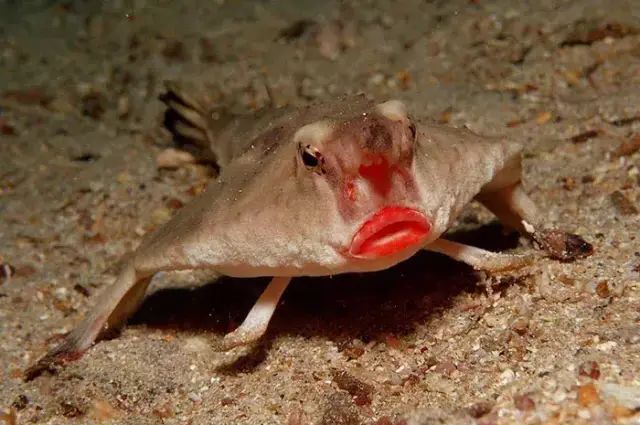
Discovered in the diverse marine ecosystems of the Galapagos Islands, a unique fish species has astonished scientists with its unconventional locomotion: rather than swimming, it "walks" along the ocean floor using modified pectoral fins. This extraordinary creature, known as the red-lipped batfish (Ogcocephalus darwini), exemplifies the bizarre adaptations that evolve in isolated environments like the Galapagos.


From Fins to 'Feet': The Science Behind Its Unique Stride

The red-lipped batfish trades traditional swimming for a distinctive walking motion, thanks to pectoral fins that have evolved into limb-like structures. These fins, combined with pelvic fins, allow it to propel itself across sandy or rocky seabeds with surprising agility. Its flattened body and downward-facing mouth further adapt it to a bottom-dwelling lifestyle, where it hunts for small crustaceans, mollusks, and worms. The species’ most striking feature is its vibrant red lips, thought to play a role in mating displays or as a form of camouflage among red algae. Though capable of short bursts of swimming, it prefers walking—a strategy that conserves energy in its nutrient-sparse habitat.

Ecological Significance and Conservation in the Galapagos

Endemic to the Galapagos, this batfish thrives in shallow coastal waters, often near coral reefs or volcanic formations. Its existence provides insights into evolutionary biology, demonstrating how species can abandon swimming (a common trait in fish) for an entirely new mode of movement. While not currently listed as endangered, the red-lipped batfish faces threats from climate change (ocean acidification and warming), as well as accidental entanglement in fishing gear. The Galapagos Marine Reserve, a protected area, helps safeguard its habitat, but researchers emphasize the need for continued monitoring to ensure the species’ survival.


For marine biologists, the walking fish of the Galapagos is a living testament to the archipelago’s role as a "living laboratory" of evolution. Its ability to reimagine locomotion challenges assumptions about fish behavior, proving that in nature’s most isolated corners, survival often hinges on the most unexpected adaptations. As the Galapagos continues to inspire scientific discovery, this walking wonder serves as a reminder that even in the ocean’s depths, life finds extraordinary ways to thrive.
Latest Stories
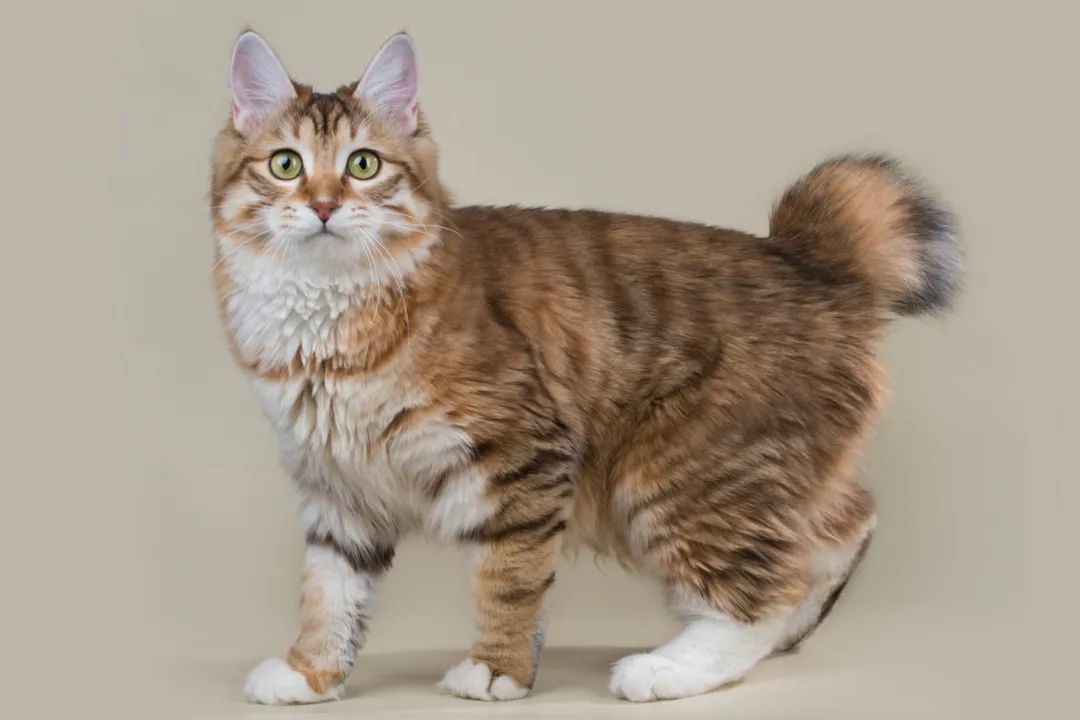
Feline News2 minute readThe Kurilian Bobtail Longhair, a captivating breed hailing from Russia’s Sakhalin Island and the Kuril Archipelago, has emerged as a fascinating subject in the international feline community. With its distinctive bobbed tail and striking appearance, this natural breed is garnering recognition for its unique history, robust health, and affectionate demeanor.
Life News2 minute readOn the streets and alleys of Italy, gelato is more than just a refreshing dessert; it is a vivid embodiment of the country's culinary philosophy. Compared to the common American ice cream, this Italian classic has become an irreplaceable culinary symbol in the hearts of food lovers worldwide, thanks to its unique craftsmanship and texture.
Feline News2 minute readIn 1982, a bald kitten with an unusual genetic mutation emerged in a barn on an Oregon cherry farm, marking the accidental birth of one of the world’s most distinctive feline breeds—the LaPerm. This curly-coated wonder, named for its "wavy" or "rippled" fur, has since captivated cat lovers globally with its unique appearance and playful personality .
Feline News1 minute readThe Brazilian Shorthair, a distinctive feline breed native to Brazil, has captivated cat enthusiasts with its charming personality and adaptable nature. Originating from the country's street cats, the breed was formally recognized in the 1980s after decades of selective breeding to preserve its unique traits.
Feline News1 minute readIn recent days, a cat named Marguerite has quietly risen to fame in a suburban community. The 3-year-old orange-and-white feline, once a street stray, has now become a "heartwarming bond" connecting neighbors.
Feline News2 minute readOriginating from the city of Rostov-on-Don in Russia, the Donskoy cat, also known as the Don Sphynx, has captivated feline enthusiasts worldwide with its unique appearance and affectionate demeanor. First discovered in 1987 when Professor Elena Kovaleva rescued a hairless kitten named Varvara, the breed emerged from a natural genetic mutation that resulted in a lack of fur. Varvara’s subsequent litters produced both haired and hairless kittens, leading breeder Irina Nemykina to develop the Donskoy through selective breeding with European Shorthairs. Recognized by The International Cat Associat
Feline News2 minute readThe Nebelung, a captivating feline often mistaken for the Russian Blue, is a rare breed celebrated for its striking appearance and gentle demeanor. Originating in the U.S. during the 1980s, this breed emerged from intentional crossbreeding to replicate the elegance of Victorian-era long-haired blue cats. Named after the German word "nebel" (meaning "mist"), the Nebelung’s silvery-tipped blue-gray coat evokes a misty aura, while its green or yellow-green eyes add to its enigmatic charm.