Rare Organism


2 minute read

The Quirky Ocean Sunfish: A Mysterious Giant of the Seas

With its peculiar appearance and fascinating behaviors, it has captured the curiosity of marine enthusiasts and researchers alike. This large - sized fish is a sight to behold, standing out among its oceanic counterparts.
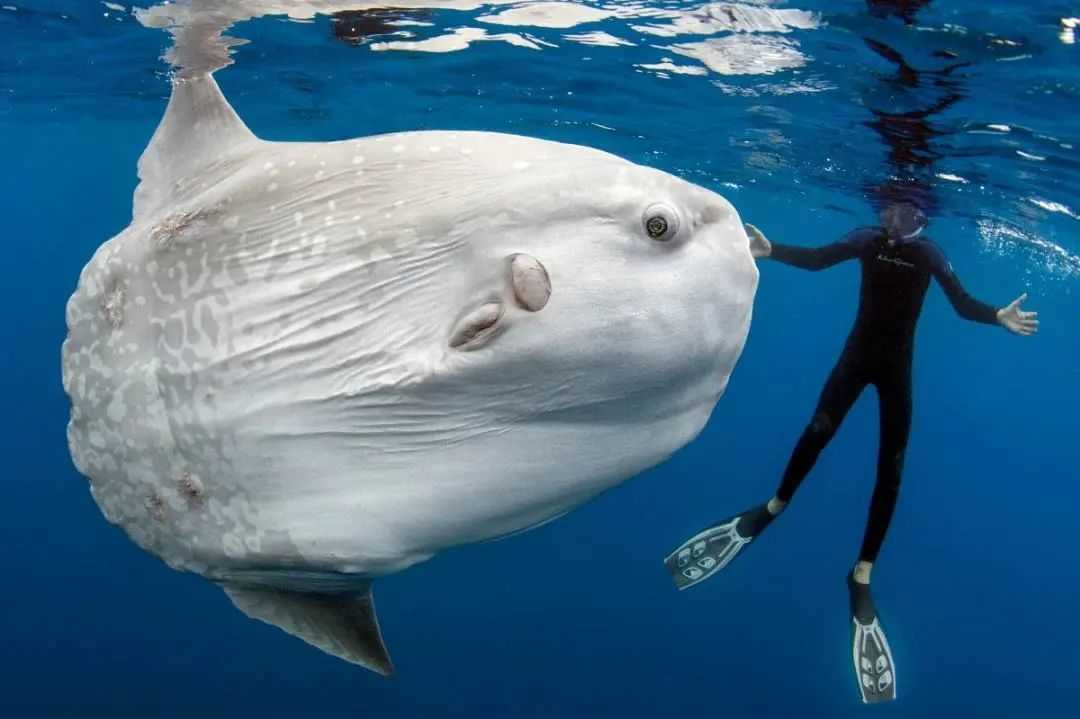
The Quirky Ocean Sunfish: A Mysterious Giant of the Seas
2 minute read

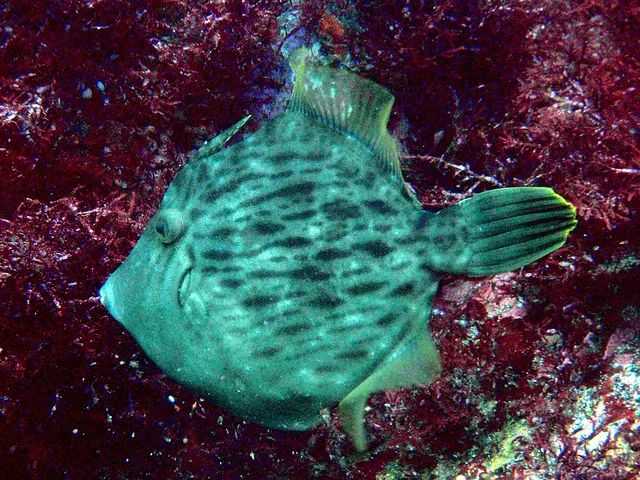
Stephanolepis cirrhifer: The Elusive Threadback Filefish of Coastal Waters

Renowned for its unique appearance and ecological role, this fish has earned various nicknames reflecting its distinct features, such as the "antler fish" due to the elongated dorsal fin spines resembling antlers in adult males.
Stephanolepis cirrhifer: The Elusive Threadback Filefish of Coastal Waters
2 minute read

Periophthalmus spp.: The Amphibious "Mud Skippers" of Coastal Ecosystems

Inhabiting the intertidal mudflats and mangrove forests of the Indo-Pacific region, these small fish have evolved remarkable adaptations that blur the line between aquatic and terrestrial life, making them a fascinating subject of ecological study.

Periophthalmus spp.: The Amphibious "Mud Skippers" of Coastal Ecosystems
1 minute read

Platycephalus indicus: The Formidable Flathead of Coastal Waters

Platycephalus indicus, commonly known as the Indian flathead or by various regional names such as "ox-tail fish" and "braid fish" in northern regions, is a remarkable fish species inhabiting the coastal waters of the Indo-Pacific. Renowned for its unique appearance and a formidable defense mechanism, this fish has earned its place as both a fascinating marine subject and a prized catch for fishermen.

Platycephalus indicus: The Formidable Flathead of Coastal Waters
1 minute read

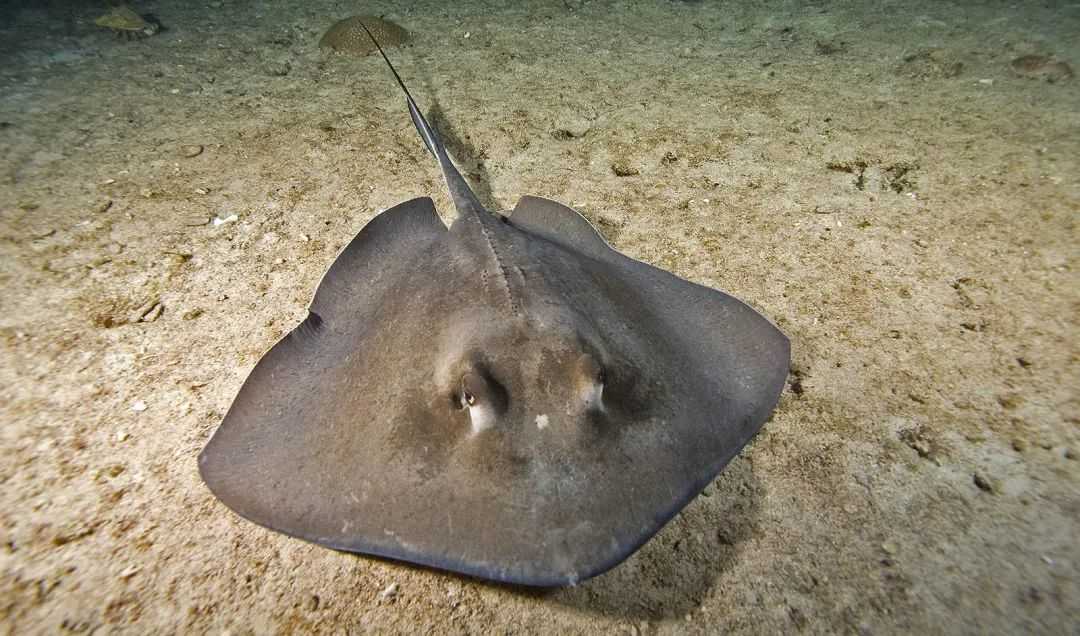
Dasyatis akajei: The Coastal Giant of the Stingray Family

Dasyatis akajei, commonly known as the red stingray or Japanese common stingray, is a prominent species within the Dasyatidae family, widely distributed along the coastal waters of the northwestern Pacific Ocean. As a member of the cartilaginous fish group, this ray is characterized by its flattened disc-shaped body, long tail, and distinctive coloration, making it a familiar sight in shallow marine and estuarine environments from China to Japan and Korea.
Dasyatis akajei: The Coastal Giant of the Stingray Family
2 minute read

Cuttlefish: The Elusive Masters of Camouflage and Deception

Cuttlefish, belonging to the Sepiidae family within the order Sepiida, are intriguing marine mollusks commonly known as "inkfish" due to their unique defense mechanism. Found in temperate and tropical oceans worldwide, these creatures are celebrated for their extraordinary ability to change skin color and texture in an instant, combined with a distinct oval body shape that sets them apart from their close relatives, squid.

Cuttlefish: The Elusive Masters of Camouflage and Deception
2 minute read

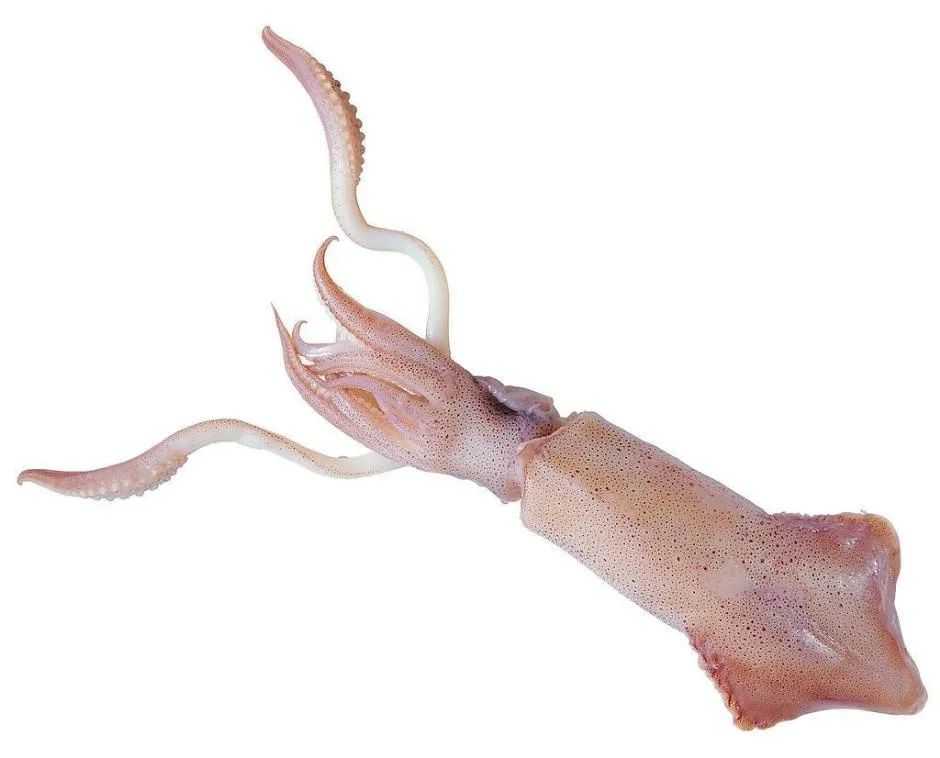
Squid: The Agile Cephalopods of the Open Seas

Squid, widely recognized as a popular seafood item, are fascinating marine mollusks belonging to the Teuthida order. These soft-bodied cephalopods are characterized by their elongated, torpedo-shaped bodies, ten flexible appendages (including eight arms and two specialized feeding tentacles), and a remarkable ability to navigate the world’s oceans with speed and precision. Found in both shallow coastal waters and the deepest abyssal zones, they play a crucial role in marine ecosystems as both predators and prey.
Squid: The Agile Cephalopods of the Open Seas

Latest Stories
Feline News2 minute readThe Kurilian Bobtail Longhair, a captivating breed hailing from Russia’s Sakhalin Island and the Kuril Archipelago, has emerged as a fascinating subject in the international feline community. With its distinctive bobbed tail and striking appearance, this natural breed is garnering recognition for its unique history, robust health, and affectionate demeanor.
Life News2 minute readOn the streets and alleys of Italy, gelato is more than just a refreshing dessert; it is a vivid embodiment of the country's culinary philosophy. Compared to the common American ice cream, this Italian classic has become an irreplaceable culinary symbol in the hearts of food lovers worldwide, thanks to its unique craftsmanship and texture.
Feline News2 minute readIn 1982, a bald kitten with an unusual genetic mutation emerged in a barn on an Oregon cherry farm, marking the accidental birth of one of the world’s most distinctive feline breeds—the LaPerm. This curly-coated wonder, named for its "wavy" or "rippled" fur, has since captivated cat lovers globally with its unique appearance and playful personality .
Feline News1 minute readThe Brazilian Shorthair, a distinctive feline breed native to Brazil, has captivated cat enthusiasts with its charming personality and adaptable nature. Originating from the country's street cats, the breed was formally recognized in the 1980s after decades of selective breeding to preserve its unique traits.
Feline News1 minute readIn recent days, a cat named Marguerite has quietly risen to fame in a suburban community. The 3-year-old orange-and-white feline, once a street stray, has now become a "heartwarming bond" connecting neighbors.
Feline News2 minute readOriginating from the city of Rostov-on-Don in Russia, the Donskoy cat, also known as the Don Sphynx, has captivated feline enthusiasts worldwide with its unique appearance and affectionate demeanor. First discovered in 1987 when Professor Elena Kovaleva rescued a hairless kitten named Varvara, the breed emerged from a natural genetic mutation that resulted in a lack of fur. Varvara’s subsequent litters produced both haired and hairless kittens, leading breeder Irina Nemykina to develop the Donskoy through selective breeding with European Shorthairs. Recognized by The International Cat Associat
Feline News2 minute readThe Nebelung, a captivating feline often mistaken for the Russian Blue, is a rare breed celebrated for its striking appearance and gentle demeanor. Originating in the U.S. during the 1980s, this breed emerged from intentional crossbreeding to replicate the elegance of Victorian-era long-haired blue cats. Named after the German word "nebel" (meaning "mist"), the Nebelung’s silvery-tipped blue-gray coat evokes a misty aura, while its green or yellow-green eyes add to its enigmatic charm.