Pampus argenteus: The Exquisite "Silver Pomfret" of the Seas


Marine Biology
Pampus argenteus: The Exquisite "Silver Pomfret" of the Seas

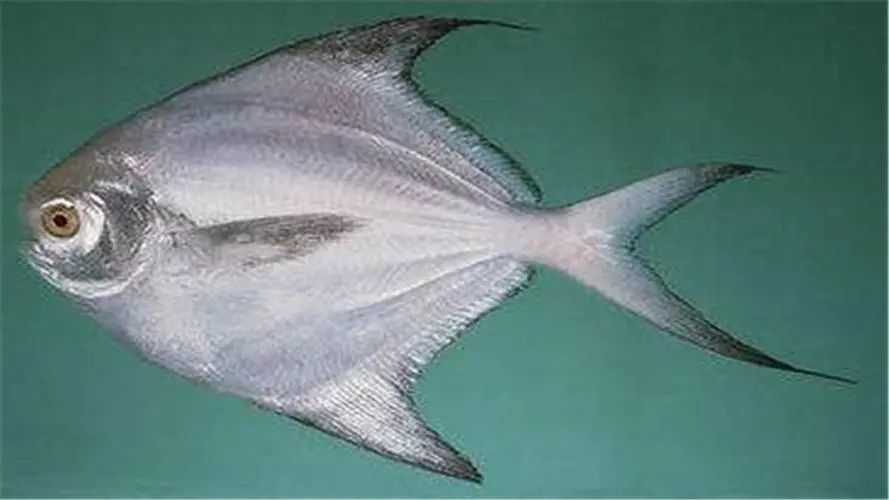
Pampus argenteus, commonly known as the silver pomfret or simply "pomfret" in many regions, is a species of fish that graces the coastal waters of the Indo - West Pacific. Revered for its elegant appearance and culinary value, this fish has captured the attention of seafood lovers and marine enthusiasts alike. Its body, oval - shaped and laterally compressed, is a sight to behold, shimmering with a silvery sheen that gives it an almost ethereal quality in the underwater world.
Pampus argenteus: The Exquisite "Silver Pomfret" of the Seas


Pampus argenteus, commonly known as the silver pomfret or simply "pomfret" in many regions, is a species of fish that graces the coastal waters of the Indo - West Pacific. Revered for its elegant appearance and culinary value, this fish has captured the attention of seafood lovers and marine enthusiasts alike. Its body, oval - shaped and laterally compressed, is a sight to behold, shimmering with a silvery sheen that gives it an almost ethereal quality in the underwater world.

Source: Images from the Internet, if there is any infringement, please contact the removal of


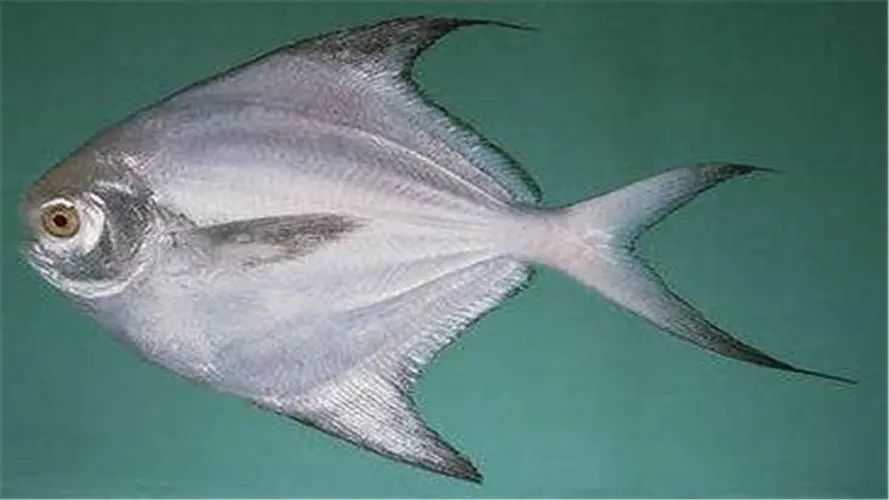
Growing up to 35 centimeters in total length, the silver pomfret showcases a smooth, scaleless body. Its dorsal and ventral profiles are gently arched, creating a streamlined form perfect for navigating the ocean currents. The fish's fins are a key feature; the dorsal and anal fins are long and continuous, with the dorsal fin often sporting a slightly more prominent anterior section. The pectoral fins are large and fan - like, enabling precise movement, while the forked tail fin provides the necessary thrust for quick bursts of speed. Its coloration, a uniform silver - white, not only aids in camouflage among the sun - dappled waters but also makes it a standout when displayed in fish markets.


Silver pomfrets inhabit a variety of marine environments, from sandy and muddy bottoms to the waters around coral reefs, typically at depths ranging from 5 to 80 meters. They are a benthopelagic species, meaning they spend much of their time near the sea floor but also venture into the water column. Their diet mainly consists of small fish, crustaceans, and zooplankton, which they capture using their small, sharp teeth. In the Indo - Asia - Pacific region, the silver pomfret is highly prized for its delicate, buttery flesh. Whether steamed, grilled, or fried, it is a staple in many local cuisines. However, overfishing has taken a toll on its populations. Specimens weighing less than 1 kg are now more commonly seen, a far cry from their potential weight of 4 - 6 kg. Conservation efforts, such as fishing regulations and the establishment of marine protected areas, are crucial to ensure the long - term survival of this iconic and delicious species.
Latest Stories
Feline News2 minute readThe Kurilian Bobtail Longhair, a captivating breed hailing from Russia’s Sakhalin Island and the Kuril Archipelago, has emerged as a fascinating subject in the international feline community. With its distinctive bobbed tail and striking appearance, this natural breed is garnering recognition for its unique history, robust health, and affectionate demeanor.
Life News2 minute readOn the streets and alleys of Italy, gelato is more than just a refreshing dessert; it is a vivid embodiment of the country's culinary philosophy. Compared to the common American ice cream, this Italian classic has become an irreplaceable culinary symbol in the hearts of food lovers worldwide, thanks to its unique craftsmanship and texture.
Feline News2 minute readIn 1982, a bald kitten with an unusual genetic mutation emerged in a barn on an Oregon cherry farm, marking the accidental birth of one of the world’s most distinctive feline breeds—the LaPerm. This curly-coated wonder, named for its "wavy" or "rippled" fur, has since captivated cat lovers globally with its unique appearance and playful personality .
Feline News1 minute readThe Brazilian Shorthair, a distinctive feline breed native to Brazil, has captivated cat enthusiasts with its charming personality and adaptable nature. Originating from the country's street cats, the breed was formally recognized in the 1980s after decades of selective breeding to preserve its unique traits.
Feline News1 minute readIn recent days, a cat named Marguerite has quietly risen to fame in a suburban community. The 3-year-old orange-and-white feline, once a street stray, has now become a "heartwarming bond" connecting neighbors.
Feline News2 minute readOriginating from the city of Rostov-on-Don in Russia, the Donskoy cat, also known as the Don Sphynx, has captivated feline enthusiasts worldwide with its unique appearance and affectionate demeanor. First discovered in 1987 when Professor Elena Kovaleva rescued a hairless kitten named Varvara, the breed emerged from a natural genetic mutation that resulted in a lack of fur. Varvara’s subsequent litters produced both haired and hairless kittens, leading breeder Irina Nemykina to develop the Donskoy through selective breeding with European Shorthairs. Recognized by The International Cat Associat
Feline News2 minute readThe Nebelung, a captivating feline often mistaken for the Russian Blue, is a rare breed celebrated for its striking appearance and gentle demeanor. Originating in the U.S. during the 1980s, this breed emerged from intentional crossbreeding to replicate the elegance of Victorian-era long-haired blue cats. Named after the German word "nebel" (meaning "mist"), the Nebelung’s silvery-tipped blue-gray coat evokes a misty aura, while its green or yellow-green eyes add to its enigmatic charm.