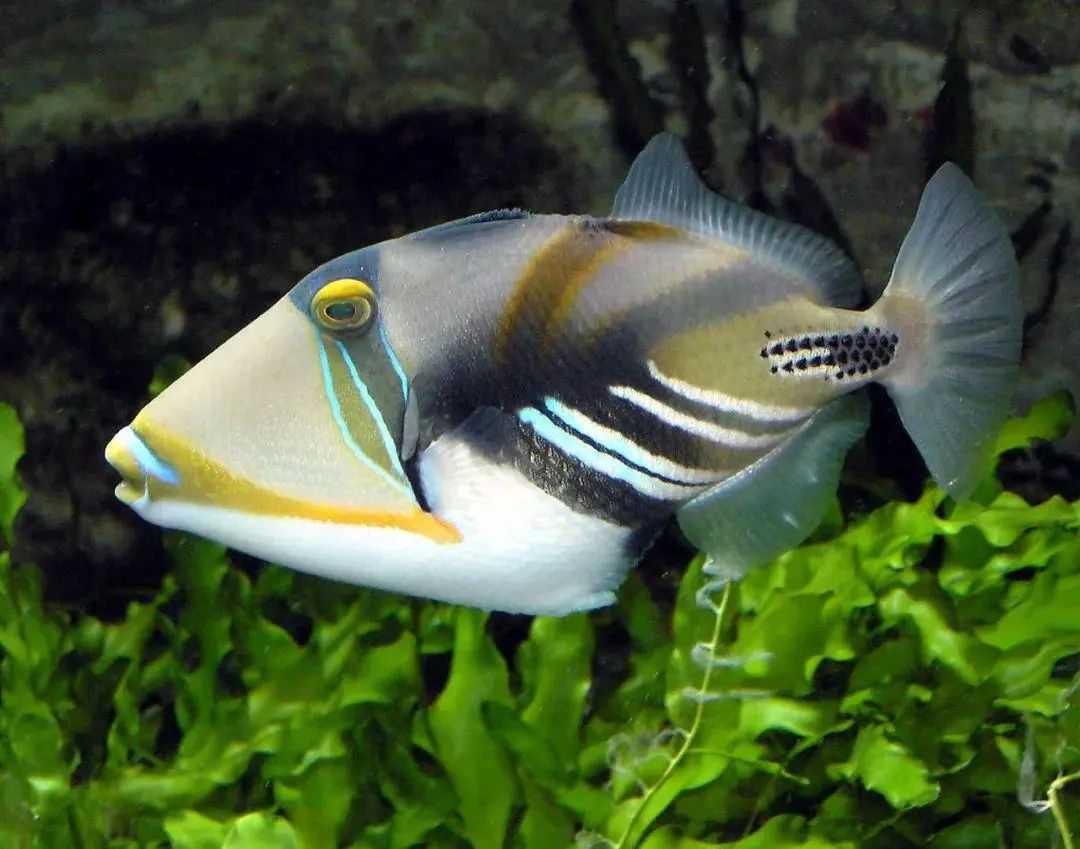
Stephanolepis cirrhifer: The Elusive Threadback Filefish of Coastal Waters
Renowned for its unique appearance and ecological role, this fish has earned various nicknames reflecting its distinct features, such as the "antler fish" due to the elongated dorsal fin spines resembling antlers in adult males.
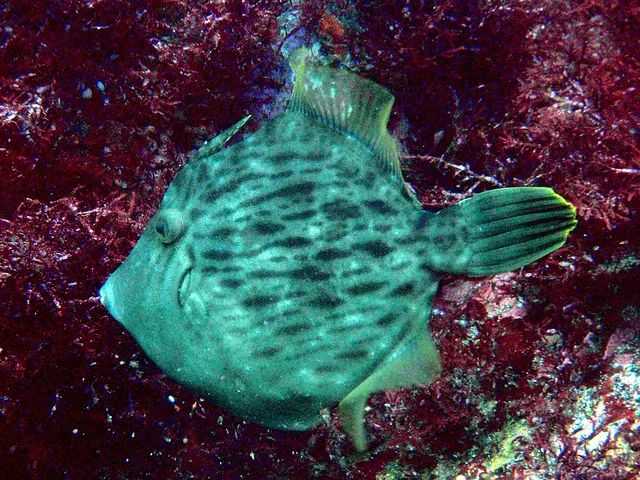
Melichthys vidua: The Dazzling Red-Tailed Triggerfish of Tropical Reefs
Melichthys vidua, commonly known as the red-tailed triggerfish or "glass cannonball," is a vibrant marine species that adds a splash of color to the coral reefs of the Indo-Pacific region. Belonging to the Balistidae family, this fish is celebrated for its striking appearance and dynamic behavior, captivating divers and marine enthusiasts with its bold patterns and feisty personality.
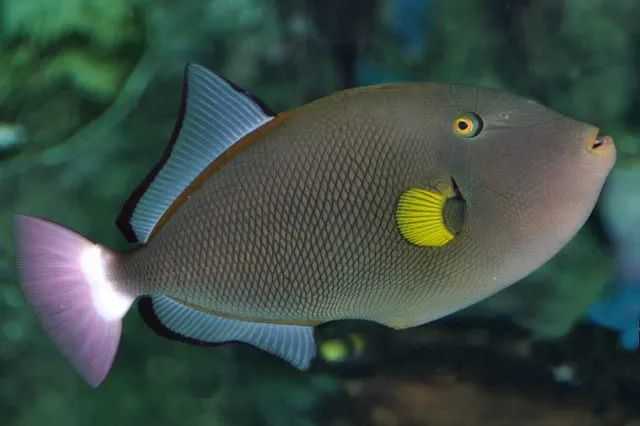
Dasyatis akajei: The Coastal Giant of the Stingray Family
Dasyatis akajei, commonly known as the red stingray or Japanese common stingray, is a prominent species within the Dasyatidae family, widely distributed along the coastal waters of the northwestern Pacific Ocean. As a member of the cartilaginous fish group, this ray is characterized by its flattened disc-shaped body, long tail, and distinctive coloration, making it a familiar sight in shallow marine and estuarine environments from China to Japan and Korea.
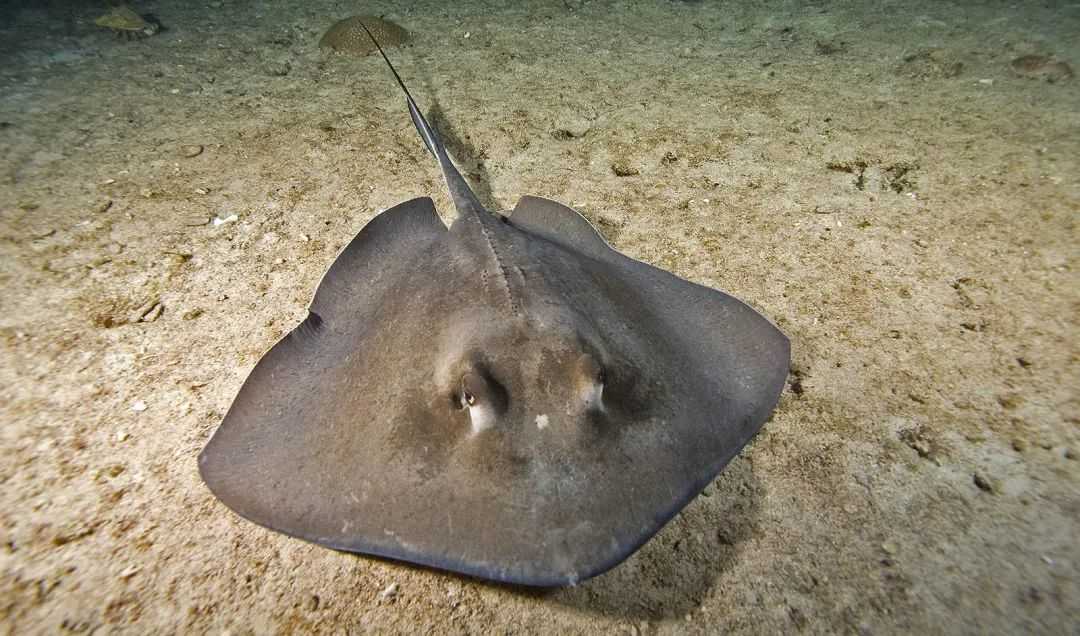
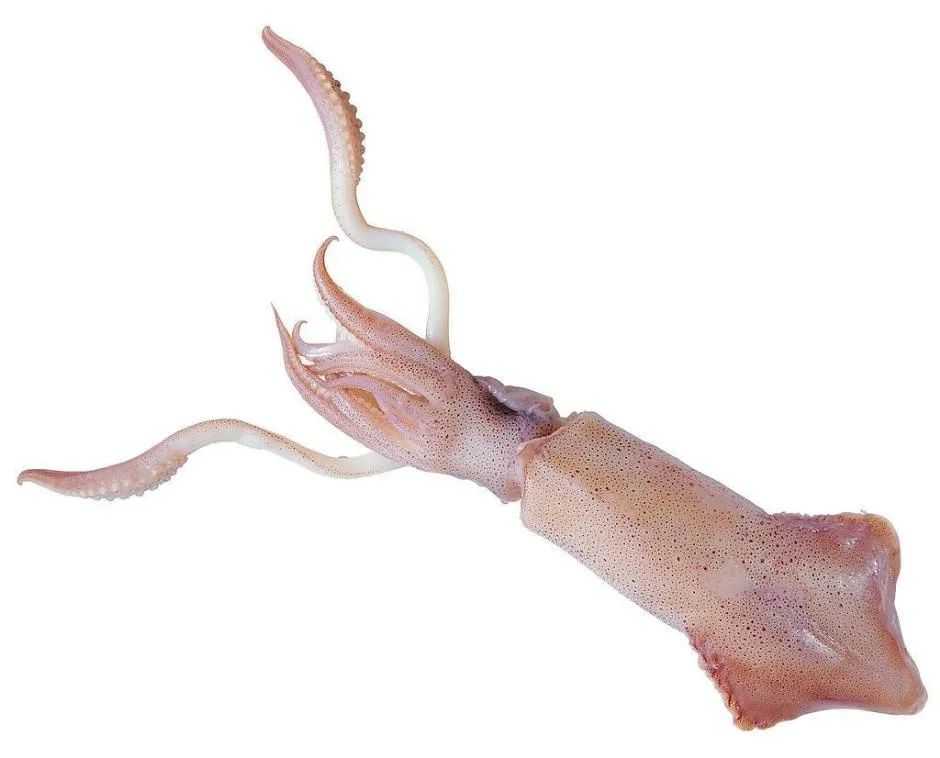
Squid: The Agile Cephalopods of the Open Seas
Squid, widely recognized as a popular seafood item, are fascinating marine mollusks belonging to the Teuthida order. These soft-bodied cephalopods are characterized by their elongated, torpedo-shaped bodies, ten flexible appendages (including eight arms and two specialized feeding tentacles), and a remarkable ability to navigate the world’s oceans with speed and precision. Found in both shallow coastal waters and the deepest abyssal zones, they play a crucial role in marine ecosystems as both predators and prey.
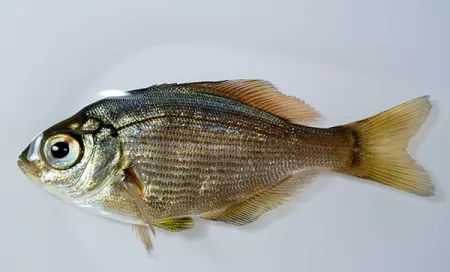
Ditrema temmincki: The Elusive "Sea Crucian" of the Yellow Sea
Ditrema temmincki, commonly known as the sea knifefish or by regional nicknames, is a small temperate marine fish belonging to the Embiotocidae family. Inhabiting the coastal waters of the Yellow Sea, this species is celebrated for its unique appearance and selective feeding habits, drawing comparisons to freshwater crucian carp due to its gentle feeding behavior and streamlined form.
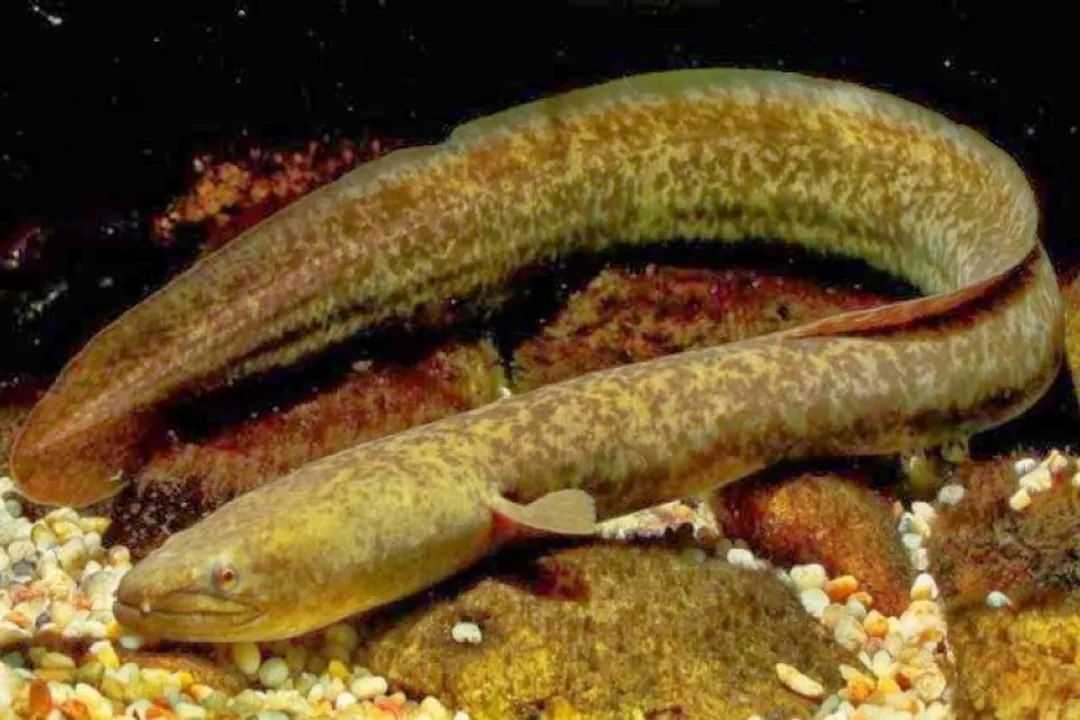
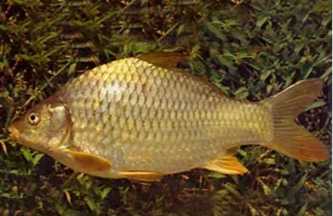
Cyprinus acutidorsaulis: The Endemic "Sea Carp" of South China's Estuaries
Cyprinus acutidorsaulis, commonly known as the sea carp, is a unique and rarely seen species within the Cyprinidae family, endemic to the brackish waters of China’s South Sea. Unlike most carp species, it has adapted to thrive in the transitional zones between freshwater rivers and marine environments, making it a fascinating example of euryhaline adaptation. This fish is exclusively found in the river systems of Hainan Island and the lower reaches of the Qinjiang River in Guangxi, highlighting its restricted but vital ecological niche.
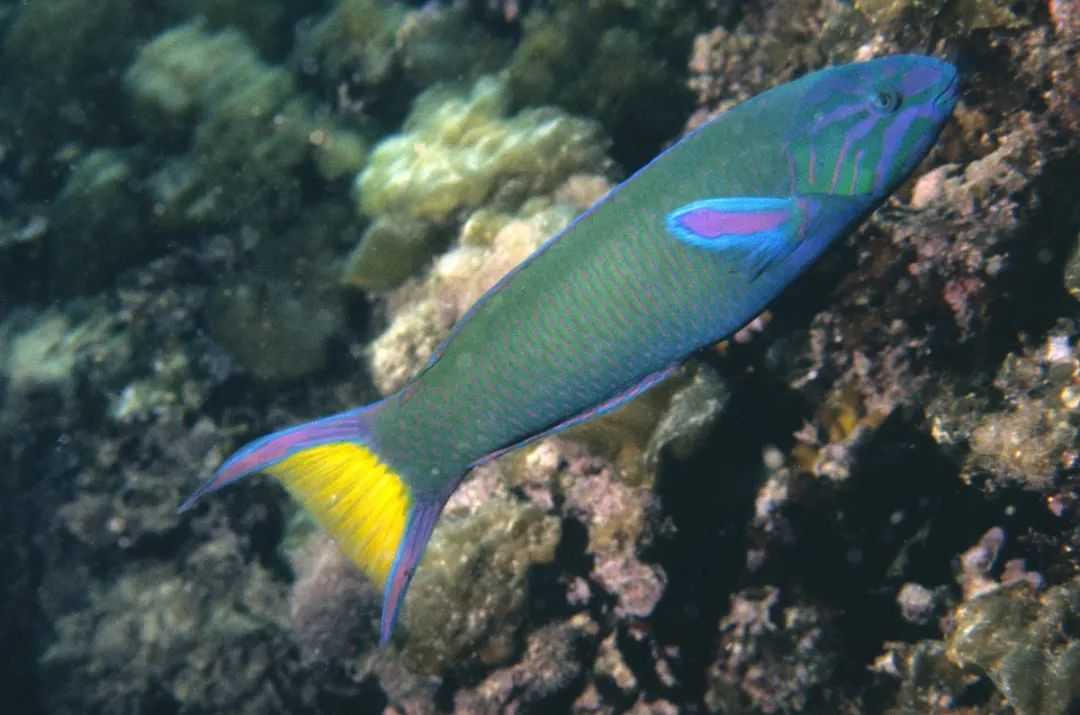
Thalassoma lunare: The Vibrant "Bluehead Wrasse" of Tropical Reefs
Thalassoma lunare, commonly known as the bluehead wrasse, is a dazzling species of marine fish belonging to the Labridae family within the Perciformes order. Native to the warm, clear waters of the Indo-Pacific region, this tropical fish is celebrated for its striking coloration and dynamic presence in coral reef ecosystems, where it thrives as both a vital ecological contributor and a sought-after ornamental fish.
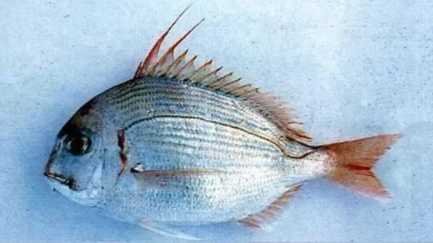
Paerargyrops edita: The Shallow-Water Snapper of the North Pacific
Paerargyrops edita, a distinct species of marine fish, inhabits the western North Pacific Ocean, with significant populations in the South China Sea and the southern East China Sea. Growing to lengths of 130–230 millimeters, this fish is characterized by its streamlined body and preference for sandy-muddy seabeds, making it a notable inhabitant of coastal ecosystems in its range.