The Mercedes CLS 63 AMG Shooting Brake: A Rare Blend of Performance and Practicality


Car Information
The Mercedes CLS 63 AMG Shooting Brake: A Rare Blend of Performance and Practicality

While Mercedes-Benz currently streamlines its model range, the brand still boasts one of the world’s most extensive lineups—though notably absent is the CLS 63 AMG Shooting Brake. This rare gem, an AMG-tuned extension of the E-Class four-door sedan, remains a cult favorite among enthusiasts for its unique fusion of high performance and avant-garde design.


Under the hood, the CLS 63 AMG Shooting Brake packs a handcrafted 5.5-liter twin-turbo V8 engine, generating 550 hp and 590 lb-ft of torque (or 577 hp in the S Model). Mated to a 7-speed MCT automatic transmission, it rockets from 0-60 mph in 3.6 seconds, with a top speed electronically limited to 186 mph. The AMG Performance 4MATIC all-wheel drive system, biased 67% to the rear, balances traction with the brand’s signature rear-wheel-drive spirit, while adaptive damping and a sport-tuned suspension ensure razor-sharp handling. Its shooting brake body, with a sloping roofline and extended cargo area, offers 20.6 cubic feet of storage—nearly double the standard CLS Coupe—making it as practical as it is powerful.

Source: Images from the Internet, if there is any infringement, please contact the removal of


Inside, the cabin blends AMG’s sport ethos with luxury. Carbon-fiber trim, Nappa leather sport seats with red stitching, and a flat-bottom steering wheel dominate the driver-focused cockpit, while rear passengers enjoy surprising legroom for a coupe-derived model. Tech features include a 12.3-inch infotainment screen, Burmester surround sound, and driver assists like adaptive cruise control. Though discontinued, the CLS 63 AMG Shooting Brake remains a testament to Mercedes’ ability to craft niche performance vehicles that defy categorization—part supercar, part family hauler, and entirely unforgettable.
Latest Stories
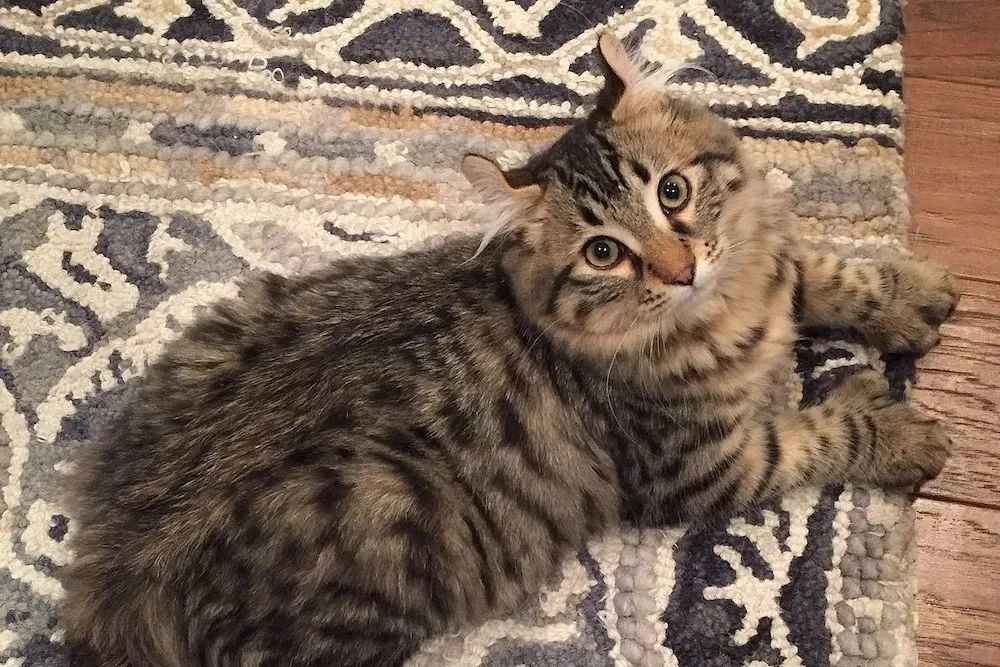
Feline News2 minute readThe Kurilian Bobtail Longhair, a captivating breed hailing from Russia’s Sakhalin Island and the Kuril Archipelago, has emerged as a fascinating subject in the international feline community. With its distinctive bobbed tail and striking appearance, this natural breed is garnering recognition for its unique history, robust health, and affectionate demeanor.
Life News2 minute readOn the streets and alleys of Italy, gelato is more than just a refreshing dessert; it is a vivid embodiment of the country's culinary philosophy. Compared to the common American ice cream, this Italian classic has become an irreplaceable culinary symbol in the hearts of food lovers worldwide, thanks to its unique craftsmanship and texture.
Feline News2 minute readIn 1982, a bald kitten with an unusual genetic mutation emerged in a barn on an Oregon cherry farm, marking the accidental birth of one of the world’s most distinctive feline breeds—the LaPerm. This curly-coated wonder, named for its "wavy" or "rippled" fur, has since captivated cat lovers globally with its unique appearance and playful personality .
Feline News1 minute readThe Brazilian Shorthair, a distinctive feline breed native to Brazil, has captivated cat enthusiasts with its charming personality and adaptable nature. Originating from the country's street cats, the breed was formally recognized in the 1980s after decades of selective breeding to preserve its unique traits.
Feline News1 minute readIn recent days, a cat named Marguerite has quietly risen to fame in a suburban community. The 3-year-old orange-and-white feline, once a street stray, has now become a "heartwarming bond" connecting neighbors.
Feline News2 minute readOriginating from the city of Rostov-on-Don in Russia, the Donskoy cat, also known as the Don Sphynx, has captivated feline enthusiasts worldwide with its unique appearance and affectionate demeanor. First discovered in 1987 when Professor Elena Kovaleva rescued a hairless kitten named Varvara, the breed emerged from a natural genetic mutation that resulted in a lack of fur. Varvara’s subsequent litters produced both haired and hairless kittens, leading breeder Irina Nemykina to develop the Donskoy through selective breeding with European Shorthairs. Recognized by The International Cat Associat
Feline News2 minute readThe Nebelung, a captivating feline often mistaken for the Russian Blue, is a rare breed celebrated for its striking appearance and gentle demeanor. Originating in the U.S. during the 1980s, this breed emerged from intentional crossbreeding to replicate the elegance of Victorian-era long-haired blue cats. Named after the German word "nebel" (meaning "mist"), the Nebelung’s silvery-tipped blue-gray coat evokes a misty aura, while its green or yellow-green eyes add to its enigmatic charm.