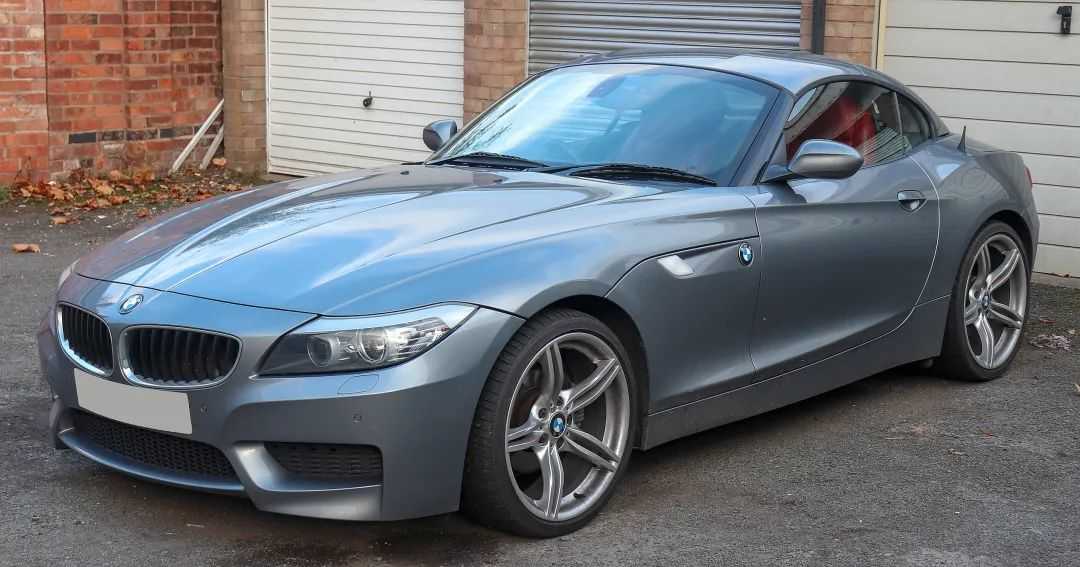
E89 Z4 (2011–2016) sDrive18i / 20i / 28i


Car Information
E89 Z4 (2011–2016) sDrive18i / 20i / 28i

The E89 Z4 stands out as the only model to feature three distinct tunings of BMW’s N20 turbocharged engine. This powertrain versatility allowed BMW to cater to diverse driving preferences, from efficiency-focused commuting to spirited roadster performance, within a single model range.


  • sDrive18i: Tuned for economy, this variant delivered 125kW (170hp) and 250Nm, pairing with an 8-speed automatic transmission (8AT) for smooth, efficient driving. It targeted buyers seeking a premium roadster experience without prioritizing raw power.
  • sDrive20i: Positioned in the middle, the 20i tuning offered 135kW (184hp) and 270Nm, available with either the 8AT or a 7-speed dual-clutch transmission (DCT). This balance of performance and refinement made it a popular choice for daily drivers.
  • sDrive28i: Replacing the outgoing 3.0L naturally aspirated six-cylinder, the 28i’s 180kW (245hp) and 350Nm made it the range-topper. Paired with either the DCT or 8AT, it delivered 0–100 km/h in ~5.7 seconds, blending straight-line speed with the Z4’s agile handling.


The N20 engine’s adaptability shone through its three tunes, each optimized for specific driving styles. The 28i, in particular, proved a worthy successor to the six-cylinder model, offering comparable performance with better fuel efficiency. The availability of both DCT and 8AT transmissions further tailored the driving experience—DCT for sporty, rapid shifts and 8AT for refined cruising—solidifying the E89 Z4 as a versatile premium roadster with a powertrain to match every driver’s needs.

Latest Stories
Feline News2 minute readThe Kurilian Bobtail Longhair, a captivating breed hailing from Russia’s Sakhalin Island and the Kuril Archipelago, has emerged as a fascinating subject in the international feline community. With its distinctive bobbed tail and striking appearance, this natural breed is garnering recognition for its unique history, robust health, and affectionate demeanor.
Life News2 minute readOn the streets and alleys of Italy, gelato is more than just a refreshing dessert; it is a vivid embodiment of the country's culinary philosophy. Compared to the common American ice cream, this Italian classic has become an irreplaceable culinary symbol in the hearts of food lovers worldwide, thanks to its unique craftsmanship and texture.
Feline News2 minute readIn 1982, a bald kitten with an unusual genetic mutation emerged in a barn on an Oregon cherry farm, marking the accidental birth of one of the world’s most distinctive feline breeds—the LaPerm. This curly-coated wonder, named for its "wavy" or "rippled" fur, has since captivated cat lovers globally with its unique appearance and playful personality .
Feline News1 minute readThe Brazilian Shorthair, a distinctive feline breed native to Brazil, has captivated cat enthusiasts with its charming personality and adaptable nature. Originating from the country's street cats, the breed was formally recognized in the 1980s after decades of selective breeding to preserve its unique traits.
Feline News1 minute readIn recent days, a cat named Marguerite has quietly risen to fame in a suburban community. The 3-year-old orange-and-white feline, once a street stray, has now become a "heartwarming bond" connecting neighbors.
Feline News2 minute readOriginating from the city of Rostov-on-Don in Russia, the Donskoy cat, also known as the Don Sphynx, has captivated feline enthusiasts worldwide with its unique appearance and affectionate demeanor. First discovered in 1987 when Professor Elena Kovaleva rescued a hairless kitten named Varvara, the breed emerged from a natural genetic mutation that resulted in a lack of fur. Varvara’s subsequent litters produced both haired and hairless kittens, leading breeder Irina Nemykina to develop the Donskoy through selective breeding with European Shorthairs. Recognized by The International Cat Associat
Feline News2 minute readThe Nebelung, a captivating feline often mistaken for the Russian Blue, is a rare breed celebrated for its striking appearance and gentle demeanor. Originating in the U.S. during the 1980s, this breed emerged from intentional crossbreeding to replicate the elegance of Victorian-era long-haired blue cats. Named after the German word "nebel" (meaning "mist"), the Nebelung’s silvery-tipped blue-gray coat evokes a misty aura, while its green or yellow-green eyes add to its enigmatic charm.