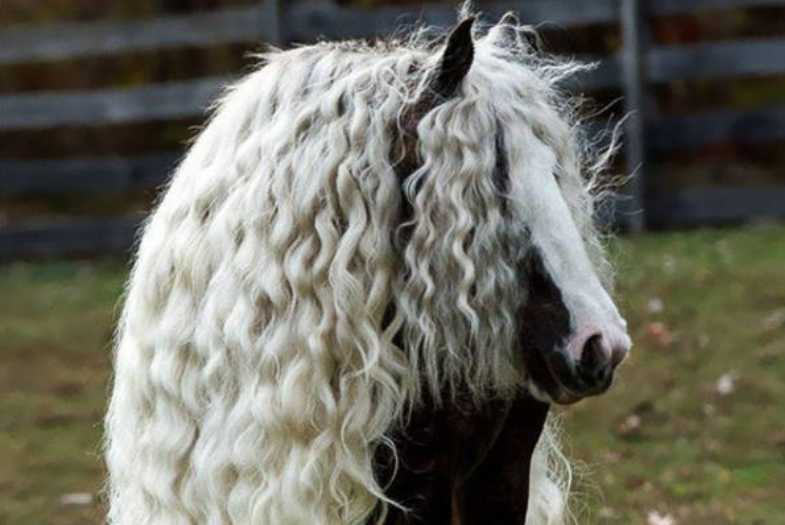
The Gypsy Vanner Horse: A Majestic Breed with a Rich Cultural Heritage


Animal Information
The Gypsy Vanner Horse: A Majestic Breed with a Rich Cultural Heritage

The Gypsy Vanner horse, also known as the Irish Cob or Gypsy Horse, is a distinctive breed renowned for its striking appearance and deep roots in Romani (Gypsy) culture. Originating in the British Isles and Ireland, these horses were bred by Romani people for their strength, stamina, and ability to pull caravans, combining practical utility with eye-catching aesthetics.

A Vision in Feathers and Flair: Physical Traits

The Gypsy Vanner’s most iconic features are its thick, flowing mane and tail, along with abundant feathering (long, silky hair) on the lower legs, which create a dramatic, almost regal presence. Standing 14–16 hands (56–64 inches) tall, it has a compact, muscular build with a broad chest, short back, and strong legs. Coat colors are diverse, with piebald (black and white) and skewbald (brown and white) patterns being most popular, though solid colors like bay or chestnut also exist. Their large, expressive eyes and kind demeanor add to their charm, while their sturdy build makes them well-suited for pulling carts or carrying riders.

Cultural Significance and Modern Legacy

For Romani communities, Gypsy Vanners were more than working animals—they symbolized status and prosperity, often adorned with colorful harnesses and decorations during festivals or migrations. The breed’s name "Vanner" stems from their historical role in pulling vans (caravans), a tradition that shaped their calm, obedient temperament. In the late 20th century, the breed gained global attention, captivating equine enthusiasts for its unique look and gentle nature. Today, they are popular in dressage, driving competitions, and as therapy animals, while conservation efforts by organizations like the Gypsy Vanner Horse Society aim to preserve their heritage traits.


As living symbols of Romani culture and equine beauty, Gypsy Vanners embody the blend of functionality and artistry in animal breeding. Their feathered legs and vibrant coats serve as a reminder of the deep bond between humans and horses across centuries—creatures that have not only shaped history but continue to inspire awe in the modern world.
Latest Stories
Feline News2 minute readThe Kurilian Bobtail Longhair, a captivating breed hailing from Russia’s Sakhalin Island and the Kuril Archipelago, has emerged as a fascinating subject in the international feline community. With its distinctive bobbed tail and striking appearance, this natural breed is garnering recognition for its unique history, robust health, and affectionate demeanor.
Life News2 minute readOn the streets and alleys of Italy, gelato is more than just a refreshing dessert; it is a vivid embodiment of the country's culinary philosophy. Compared to the common American ice cream, this Italian classic has become an irreplaceable culinary symbol in the hearts of food lovers worldwide, thanks to its unique craftsmanship and texture.
Feline News2 minute readIn 1982, a bald kitten with an unusual genetic mutation emerged in a barn on an Oregon cherry farm, marking the accidental birth of one of the world’s most distinctive feline breeds—the LaPerm. This curly-coated wonder, named for its "wavy" or "rippled" fur, has since captivated cat lovers globally with its unique appearance and playful personality .
Feline News1 minute readThe Brazilian Shorthair, a distinctive feline breed native to Brazil, has captivated cat enthusiasts with its charming personality and adaptable nature. Originating from the country's street cats, the breed was formally recognized in the 1980s after decades of selective breeding to preserve its unique traits.
Feline News1 minute readIn recent days, a cat named Marguerite has quietly risen to fame in a suburban community. The 3-year-old orange-and-white feline, once a street stray, has now become a "heartwarming bond" connecting neighbors.
Feline News2 minute readOriginating from the city of Rostov-on-Don in Russia, the Donskoy cat, also known as the Don Sphynx, has captivated feline enthusiasts worldwide with its unique appearance and affectionate demeanor. First discovered in 1987 when Professor Elena Kovaleva rescued a hairless kitten named Varvara, the breed emerged from a natural genetic mutation that resulted in a lack of fur. Varvara’s subsequent litters produced both haired and hairless kittens, leading breeder Irina Nemykina to develop the Donskoy through selective breeding with European Shorthairs. Recognized by The International Cat Associat
Feline News2 minute readThe Nebelung, a captivating feline often mistaken for the Russian Blue, is a rare breed celebrated for its striking appearance and gentle demeanor. Originating in the U.S. during the 1980s, this breed emerged from intentional crossbreeding to replicate the elegance of Victorian-era long-haired blue cats. Named after the German word "nebel" (meaning "mist"), the Nebelung’s silvery-tipped blue-gray coat evokes a misty aura, while its green or yellow-green eyes add to its enigmatic charm.