Mystery Unveiled: The Enigmatic LaPerm Cat Breed Takes the World by Storm


Feline News
Mystery Unveiled: The Enigmatic LaPerm Cat Breed Takes the World by Storm

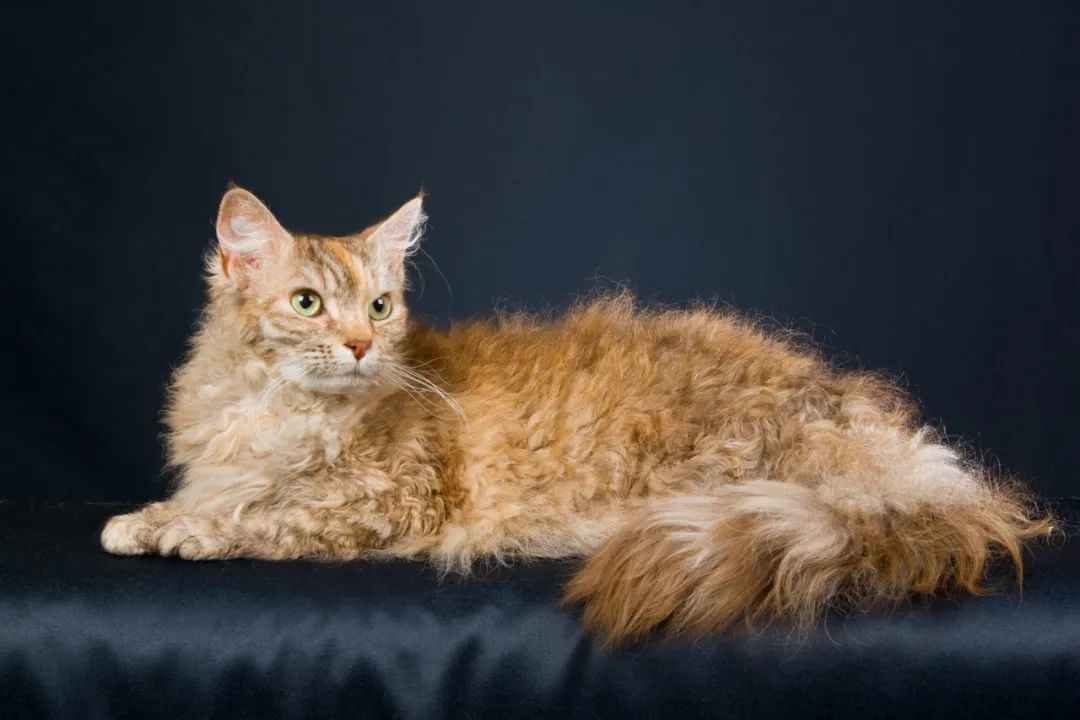
In 1982, a bald kitten with an unusual genetic mutation emerged in a barn on an Oregon cherry farm, marking the accidental birth of one of the world’s most distinctive feline breeds—the LaPerm. This curly-coated wonder, named for its "wavy" or "rippled" fur, has since captivated cat lovers globally with its unique appearance and playful personality .

Origins and Physical Marvels

The breed’s story began when farm cat Speedy gave birth to a hairless female kitten who, within eight weeks, developed a soft, curly coat. Breeders Linda and Richard Koehl, alongside geneticist Solvieg Pfleuger, dedicated years to stabilizing the mutation. By 1997, the LaPerm Society of America was established, and the breed earned Championship status from the Cat Fanciers’ Association in 2008 .


LaPerms defy conventional feline aesthetics. Their coats, ranging from tight ringlets to loose waves, come in both short and long varieties, with colors spanning all natural feline hues. Notably, some kittens are born bald and undergo multiple coat cycles, growing and shedding fur throughout their lives . Their muscular build, triangular heads, and expressive almond-shaped eyes add to their exotic allure.

Personality and Compatibility

Beyond their striking looks, LaPerms are celebrated for their spirited personalities. Described as "curious scientists of the cat world," they thrive on mental stimulation, mastering tricks and enjoying puzzle toys . Unlike typical lap cats, they prefer interactive play and even fetch games, making them ideal companions for active households. Their affectionate nature extends to children, dogs, and other pets, earning them a reputation as social butterflies .

Care and Health Considerations

Despite their glamorous curls, LaPerms are surprisingly low-maintenance. Their non-matting coats require gentle weekly combing to preserve texture, and occasional baths (without blow-drying) keep them fresh . Nutritionally, they benefit from high-quality diets to prevent obesity, a common concern due to their playful appetites. While generally robust, they may face skin allergies or dental issues, necessitating regular veterinary check-ups .

Global Appeal and Cultural Significance

Today, LaPerms are cherished from Canada to Japan, with breeders honoring their Oregon roots by naming kittens after Native American tribes . Their journey from a rural barn to international recognition highlights the magic of genetic diversity and human dedication. Whether chasing laser pointers or curling up for a cuddle, these curly charmers continue to redefine feline elegance and companionship.


As Dr. Sarah Johnson, a feline behaviorist, notes: "LaPerms blend intelligence with warmth, making them not just pets but engaging partners in daily life." For those seeking a cat that’s equal parts mystery and mischief, the LaPerm is a purrfect choice.
Latest Stories
Feline News2 minute readThe Kurilian Bobtail Longhair, a captivating breed hailing from Russia’s Sakhalin Island and the Kuril Archipelago, has emerged as a fascinating subject in the international feline community. With its distinctive bobbed tail and striking appearance, this natural breed is garnering recognition for its unique history, robust health, and affectionate demeanor.
Life News2 minute readOn the streets and alleys of Italy, gelato is more than just a refreshing dessert; it is a vivid embodiment of the country's culinary philosophy. Compared to the common American ice cream, this Italian classic has become an irreplaceable culinary symbol in the hearts of food lovers worldwide, thanks to its unique craftsmanship and texture.
Feline News2 minute readIn 1982, a bald kitten with an unusual genetic mutation emerged in a barn on an Oregon cherry farm, marking the accidental birth of one of the world’s most distinctive feline breeds—the LaPerm. This curly-coated wonder, named for its "wavy" or "rippled" fur, has since captivated cat lovers globally with its unique appearance and playful personality .
Feline News1 minute readThe Brazilian Shorthair, a distinctive feline breed native to Brazil, has captivated cat enthusiasts with its charming personality and adaptable nature. Originating from the country's street cats, the breed was formally recognized in the 1980s after decades of selective breeding to preserve its unique traits.
Feline News1 minute readIn recent days, a cat named Marguerite has quietly risen to fame in a suburban community. The 3-year-old orange-and-white feline, once a street stray, has now become a "heartwarming bond" connecting neighbors.
Feline News2 minute readOriginating from the city of Rostov-on-Don in Russia, the Donskoy cat, also known as the Don Sphynx, has captivated feline enthusiasts worldwide with its unique appearance and affectionate demeanor. First discovered in 1987 when Professor Elena Kovaleva rescued a hairless kitten named Varvara, the breed emerged from a natural genetic mutation that resulted in a lack of fur. Varvara’s subsequent litters produced both haired and hairless kittens, leading breeder Irina Nemykina to develop the Donskoy through selective breeding with European Shorthairs. Recognized by The International Cat Associat
Feline News2 minute readThe Nebelung, a captivating feline often mistaken for the Russian Blue, is a rare breed celebrated for its striking appearance and gentle demeanor. Originating in the U.S. during the 1980s, this breed emerged from intentional crossbreeding to replicate the elegance of Victorian-era long-haired blue cats. Named after the German word "nebel" (meaning "mist"), the Nebelung’s silvery-tipped blue-gray coat evokes a misty aura, while its green or yellow-green eyes add to its enigmatic charm.