The Enigmatic Panther of the Parlour: Unveiling the Allure of Bombay Cats


Feline News
The Enigmatic Panther of the Parlour: Unveiling the Allure of Bombay Cats

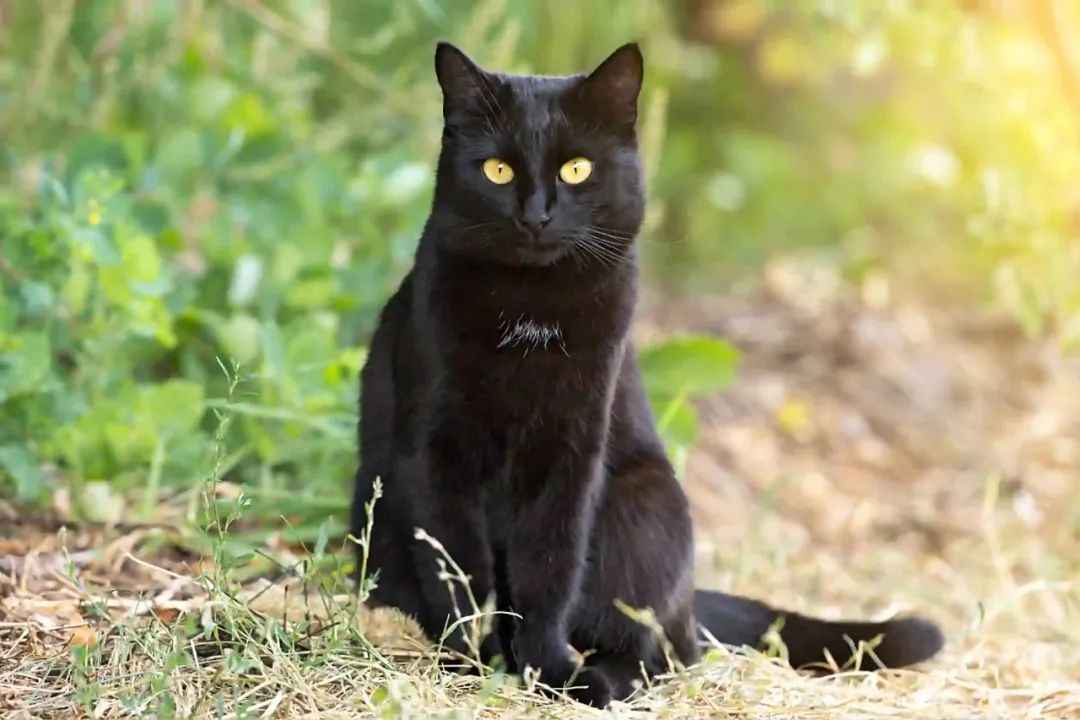
Dubbed the "parlor panther," the Bombay Cat captivates with its jet-black coat and mesmerizing copper-gold eyes, an uncanny resemblance to the wild black leopard. Originating in 1958, Kentucky breeder Nikki Horner meticulously crossed sable Burmese cats with black American Shorthairs, aiming to create a domestic feline embodying both exotic allure and gentle temperament. After years of selective breeding, her vision became reality, establishing the Bombay as a breed that bridges wild aesthetics with affectionate companionship.

Appearance: A Masterpiece in Ebony

The Bombay’s defining feature is its sleek, patent-leather-like coat, uniformly black from root to tip, with matching nose leather and paw pads. Muscular yet agile, adults weigh 8-15 pounds, boasting a compact frame with a rounded head and full cheeks. Their large, expressive eyes—ranging from amber to coppery hues—add an air of mystique, earning them the nickname "the patent leather kid with new penny eyes".

Personality: The Loyal Shadow Companion

Bombays are renowned for their sociable nature. They thrive on human interaction, often following owners like shadows and even learning to walk on leashes or play fetch. Highly intelligent and playful, they require mental stimulation to prevent boredom but adapt seamlessly to family life, coexisting harmoniously with children and other pets. Their dog-like loyalty and vocal tendencies make them both entertaining and devoted companions.

Health & Care: Guardians of Refined Living

With a lifespan of 12-18 years, Bombays are generally robust but prone to obesity, dental issues, and hereditary heart conditions like hypertrophic cardiomyopathy. A diet rich in high-quality protein, portion-controlled meals, and weekly dental care are essential. Though their short coat needs minimal grooming, occasional brushing with a suede cloth enhances its luster. Due to temperature sensitivity, they thrive in climate-controlled environments.

Cultural Icon: From Breeding Experiment to Global Sensation

Despite initial obscurity, the Bombay’s unique appeal catapulted it to international fame. Recognized by the CFA in 1976, its exclusivity drives prices for pedigreed kittens to $1,500-$2,000. Today, these cats grace households and media alike, symbolizing the fusion of mystery and elegance. As one owner notes, "They’re urban jungle royals, balancing wild allure with heartfelt warmth—a testament to nature’s artistry."
Latest Stories
Feline News2 minute readThe Kurilian Bobtail Longhair, a captivating breed hailing from Russia’s Sakhalin Island and the Kuril Archipelago, has emerged as a fascinating subject in the international feline community. With its distinctive bobbed tail and striking appearance, this natural breed is garnering recognition for its unique history, robust health, and affectionate demeanor.
Life News2 minute readOn the streets and alleys of Italy, gelato is more than just a refreshing dessert; it is a vivid embodiment of the country's culinary philosophy. Compared to the common American ice cream, this Italian classic has become an irreplaceable culinary symbol in the hearts of food lovers worldwide, thanks to its unique craftsmanship and texture.
Feline News2 minute readIn 1982, a bald kitten with an unusual genetic mutation emerged in a barn on an Oregon cherry farm, marking the accidental birth of one of the world’s most distinctive feline breeds—the LaPerm. This curly-coated wonder, named for its "wavy" or "rippled" fur, has since captivated cat lovers globally with its unique appearance and playful personality .
Feline News1 minute readThe Brazilian Shorthair, a distinctive feline breed native to Brazil, has captivated cat enthusiasts with its charming personality and adaptable nature. Originating from the country's street cats, the breed was formally recognized in the 1980s after decades of selective breeding to preserve its unique traits.
Feline News1 minute readIn recent days, a cat named Marguerite has quietly risen to fame in a suburban community. The 3-year-old orange-and-white feline, once a street stray, has now become a "heartwarming bond" connecting neighbors.
Feline News2 minute readOriginating from the city of Rostov-on-Don in Russia, the Donskoy cat, also known as the Don Sphynx, has captivated feline enthusiasts worldwide with its unique appearance and affectionate demeanor. First discovered in 1987 when Professor Elena Kovaleva rescued a hairless kitten named Varvara, the breed emerged from a natural genetic mutation that resulted in a lack of fur. Varvara’s subsequent litters produced both haired and hairless kittens, leading breeder Irina Nemykina to develop the Donskoy through selective breeding with European Shorthairs. Recognized by The International Cat Associat
Feline News2 minute readThe Nebelung, a captivating feline often mistaken for the Russian Blue, is a rare breed celebrated for its striking appearance and gentle demeanor. Originating in the U.S. during the 1980s, this breed emerged from intentional crossbreeding to replicate the elegance of Victorian-era long-haired blue cats. Named after the German word "nebel" (meaning "mist"), the Nebelung’s silvery-tipped blue-gray coat evokes a misty aura, while its green or yellow-green eyes add to its enigmatic charm.