Meet the Donskoy: Russia’s Enigmatic Hairless Cat Breed


Feline News
Meet the Donskoy: Russia’s Enigmatic Hairless Cat Breed

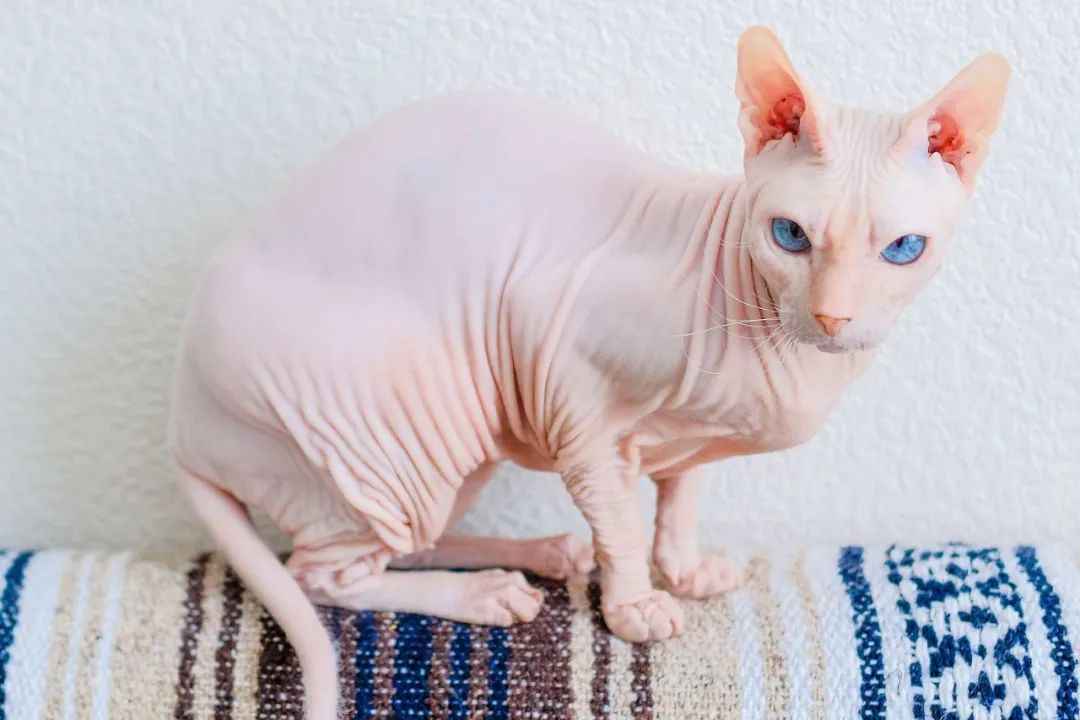
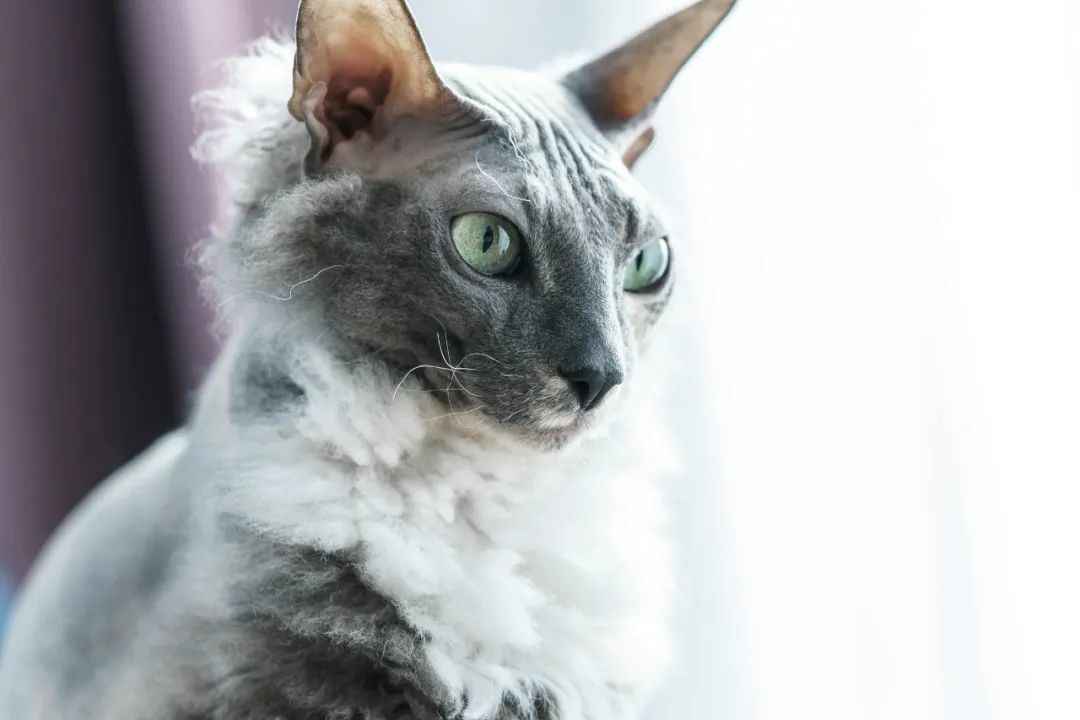
Originating from the city of Rostov-on-Don in Russia, the Donskoy cat, also known as the Don Sphynx, has captivated feline enthusiasts worldwide with its unique appearance and affectionate demeanor. First discovered in 1987 when Professor Elena Kovaleva rescued a hairless kitten named Varvara, the breed emerged from a natural genetic mutation that resulted in a lack of fur. Varvara’s subsequent litters produced both haired and hairless kittens, leading breeder Irina Nemykina to develop the Donskoy through selective breeding with European Shorthairs. Recognized by The International Cat Associat

A Spectrum of Coat Types

Contrary to the fully bald Sphynx, Donskoy cats exhibit four distinct coat variations: Rubber Bald (completely hairless), Flocked (fine, peach-like fuzz), Velour (woolly coat with bald patches), and Brush (sparse, wiry hair). Even hairless Donskoys may grow short, velvety fur in colder months, though it offers little insulation. Their skin, described as  (a suede-like hot water bottle), feels warm to the touch and requires daily wiping to remove excess oils.

Personality and Care

Donskoys are renowned for their dog-like loyalty and playful energy. They thrive on human interaction, often greeting visitors with head-butts and following owners like shadows. Despite their hairless exterior, they are highly active and agile, enjoying climbing and puzzle toys. However, their lack of fur makes them vulnerable to temperature extremes, requiring indoor living, heated beds in winter, and sunscreen during outdoor exposure. Regular baths (once or twice monthly) and dental care are essential to prevent skin infections and gum disease.
 

Source: Images from the Internet, if there is any infringement, please contact the removal of


Health Considerations

While generally robust, Donskoys may inherit hypertrophic cardiomyopathy (thickened heart muscles) and ectodermal dysplasia, a condition linked to dental issues and reduced sweat gland function. Responsible breeders screen for these genetic predispositions. Their high metabolism also necessitates a protein-rich diet to maintain body heat.

Distinguishing Features from Sphynx Cats

Unlike the Canadian Sphynx, which is uniformly bald, Donskoys display more coat diversity and a slightly smaller frame (females: 4–10 lbs; males: 6–12 lbs). Their almond-shaped eyes come in various colors, while Sphynx cats often have vivid, monochromatic eye hues. Both breeds share a hypoallergenic reputation, but Donskoys are noted for their higher energy levels and adaptability to multi-pet households.


Today, the Donskoy’s popularity extends beyond Russia, with breeders in the U.S., Europe, and Asia championing its unique traits. For those seeking a devoted, unconventional companion, this enigmatic hairless breed offers a blend of warmth, intelligence, and striking beauty.
Latest Stories
Industry News1 minute readG20 finance ministers and central bank governors have issued a joint communiqué, committing to enhance international policy cooperation and sending a signal in support of multilateralism. They emphasized the need to end global trade conflicts soon and called on the U.S. and Europe to reach a fair agreement on tariffs.
Animal Information1 minute readIn the arid deserts of South America, an endangered pig-like species known locally as "taguá" (Chacoan peccary, Catagonus wagneri) is fighting for survival. These remarkable creatures have adapted uniquely to thrive in harsh desert conditions, with their diet centered on spiky cacti—an unusual food source that few other animals can exploit.
Animal Information1 minute readBeneath the waters of the Missouri River basin resides a creature that stands as a living testament to Earth's ancient past—the pallid sturgeon (Scaphirhynchus albus). Dubbed a "living fossil," this substantial fish traces its lineage back to the age of dinosaurs, persisting through tens of millions of years of geological shifts and biological evolution in these river systems.
Industry News1 minute readMicrosoft and the U.S. Idaho National Laboratory (INL) announced a partnership on July 16 to use AI in new nuclear plant licensing, aiming to drastically shorten the process. The move responds to Trump’s executive order to cut nuclear licensing to 18 months, addressing growing energy demands from AI data centers.
Industry News1 minute readThe U.S. Federal Communications Commission (FCC) announced plans on July 16 to introduce new rules, fully prohibiting any submarine communication cables containing Chinese technology or equipment from connecting to U.S. networks.
Feline News2 minute readThe Himalayan cat, a captivating fusion of Persian and Siamese genetics, has enchanted cat enthusiasts worldwide with its striking blue eyes and luxurious coat. Bred since the 1930s, this breed gained official recognition in 1957 when breeders Ben and Ann Borrett debuted their specimens at a cat show, setting standards adopted by organizations like the CFA . Nicknamed "Himmies," these cats balance elegance with affectionate charm, though their popularity demands careful attention to health and grooming.
Feline News1 minute read[Nashville, July 18th] —— The Tennessee Rex, a uniquely American cat breed celebrated for its naturally curly fur, is gaining recognition among pet enthusiasts worldwide. This distinctive feline traces its origins to a chance discovery in 2004 in Tennessee, where a stray cat gave birth to a litter containing a kitten with unusually soft, curly hair—a natural genetic mutation that marked the breed's beginning.