The Pink River Dolphin: Amazon’s Enigmatic Pink Wonder Unique to River Ecosystems


Animal Information
The Pink River Dolphin: Amazon’s Enigmatic Pink Wonder Unique to River Ecosystems

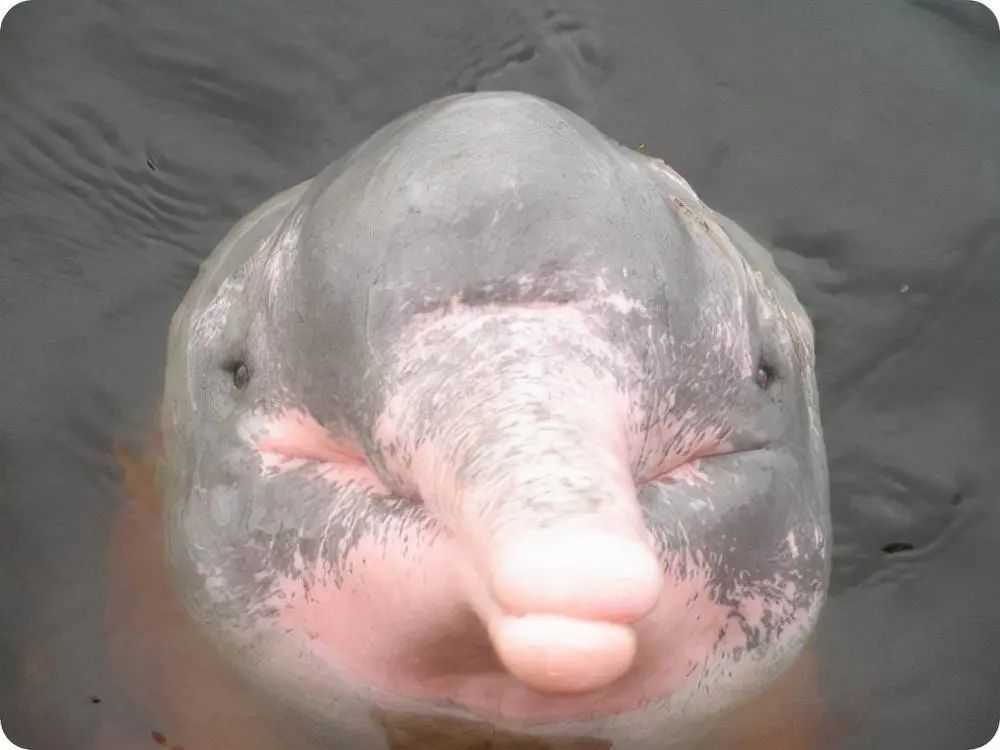
In the murky waters of the Amazon and Orinoco river basins, a creature of mythical allure glides through the currents: the pink river dolphin (Inia geoffrensis), a unique species that has captivated indigenous tribes and scientists for centuries. Often called the "botos," these dolphins stand out not only for their striking pink hue but as one of the few freshwater dolphin species on Earth, evolving the perfect adaptation to thrive in the Amazon’s labyrinthine waterways.

A Blushing Giant of the River: Biology and Behavior

Adult pink river dolphins can reach up to 2.5 meters in length, with males typically sporting a deeper pink color that intensifies with age—a hue caused by capillaries near the skin’s surface and believed to signal dominance. Their flexible necks and large flippers allow them to navigate through flooded forests and narrow tributaries, while a bulbous forehead (melon) aids in echolocation. Unlike marine dolphins, they have a more elongated snout for catching catfish, piranhas, and crustaceans in the river’s turbid waters. At dawn and dusk, groups of botos can be seen leaping gracefully, their pink bodies contrasting against the green jungle backdrop—a spectacle that has inspired legends of shape-shifting "encantados" in local folklore.

Threats to a Unique Species and Conservation Efforts

Endemic to the Amazon, the pink river dolphin faces grave threats from habitat degradation, pollution, and accidental entanglement in fishing nets. Dams and hydroelectric projects fragment their habitat, while mercury used in gold mining poisons their food chain. Despite being protected by law in countries like Brazil and Peru, illegal hunting for bait or traditional medicine persists. Conservation organizations are working with local communities to promote sustainable fishing practices and raise awareness about the dolphin’s ecological role as a top predator. The species is listed as Vulnerable by the IUCN, with researchers emphasizing that preserving the botos means safeguarding the entire Amazon river ecosystem—one of the planet’s most biodiverse and fragile environments.


As the Amazon faces unprecedented deforestation and climate change, the pink river dolphin serves as a living emblem of the region’s natural wonders. Its unique pink form, evolved over millennia to conquer freshwater challenges, reminds the world that the Amazon’s rivers hold secrets as vibrant as they are vulnerable. To lose the botos would be to erase not just a species, but a symbol of the Amazon’s ability to nurture life in the most extraordinary and unexpected forms.

Latest Stories
Feline News2 minute readThe Kurilian Bobtail Longhair, a captivating breed hailing from Russia’s Sakhalin Island and the Kuril Archipelago, has emerged as a fascinating subject in the international feline community. With its distinctive bobbed tail and striking appearance, this natural breed is garnering recognition for its unique history, robust health, and affectionate demeanor.
Life News2 minute readOn the streets and alleys of Italy, gelato is more than just a refreshing dessert; it is a vivid embodiment of the country's culinary philosophy. Compared to the common American ice cream, this Italian classic has become an irreplaceable culinary symbol in the hearts of food lovers worldwide, thanks to its unique craftsmanship and texture.
Feline News2 minute readIn 1982, a bald kitten with an unusual genetic mutation emerged in a barn on an Oregon cherry farm, marking the accidental birth of one of the world’s most distinctive feline breeds—the LaPerm. This curly-coated wonder, named for its "wavy" or "rippled" fur, has since captivated cat lovers globally with its unique appearance and playful personality .
Feline News1 minute readThe Brazilian Shorthair, a distinctive feline breed native to Brazil, has captivated cat enthusiasts with its charming personality and adaptable nature. Originating from the country's street cats, the breed was formally recognized in the 1980s after decades of selective breeding to preserve its unique traits.
Feline News1 minute readIn recent days, a cat named Marguerite has quietly risen to fame in a suburban community. The 3-year-old orange-and-white feline, once a street stray, has now become a "heartwarming bond" connecting neighbors.
Feline News2 minute readOriginating from the city of Rostov-on-Don in Russia, the Donskoy cat, also known as the Don Sphynx, has captivated feline enthusiasts worldwide with its unique appearance and affectionate demeanor. First discovered in 1987 when Professor Elena Kovaleva rescued a hairless kitten named Varvara, the breed emerged from a natural genetic mutation that resulted in a lack of fur. Varvara’s subsequent litters produced both haired and hairless kittens, leading breeder Irina Nemykina to develop the Donskoy through selective breeding with European Shorthairs. Recognized by The International Cat Associat
Feline News2 minute readThe Nebelung, a captivating feline often mistaken for the Russian Blue, is a rare breed celebrated for its striking appearance and gentle demeanor. Originating in the U.S. during the 1980s, this breed emerged from intentional crossbreeding to replicate the elegance of Victorian-era long-haired blue cats. Named after the German word "nebel" (meaning "mist"), the Nebelung’s silvery-tipped blue-gray coat evokes a misty aura, while its green or yellow-green eyes add to its enigmatic charm.