Cyprus Cats: Living Treasures of the Mediterranean Island


Feline News
Cyprus Cats: Living Treasures of the Mediterranean Island

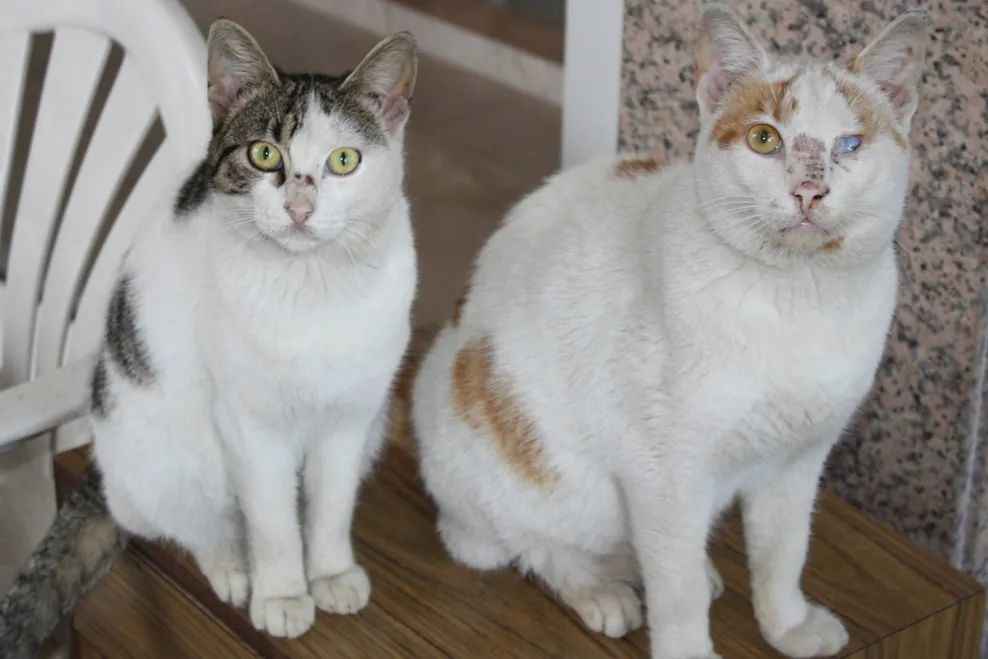
NICOSIA, Cyprus – Roaming freely through the streets, ancient ruins, and coastal villages of Cyprus, a distinctive feline with amber or tabby coats has become an iconic symbol of the island. These are Cyprus cats, often hailed as "living fossils" and cherished as a unique part of the Mediterranean nation’s heritage.

Archaeological evidence traces the roots of Cyprus cats back 9,500 years, making them one of the earliest domesticated cat breeds in history. A pivotal discovery in 1983 at the Neolithic site of Khirokitia revealed cat remains buried alongside human skeletons, pushing back the timeline of human-feline coexistence and solidifying the breed’s status as a living link to ancient civilizations.


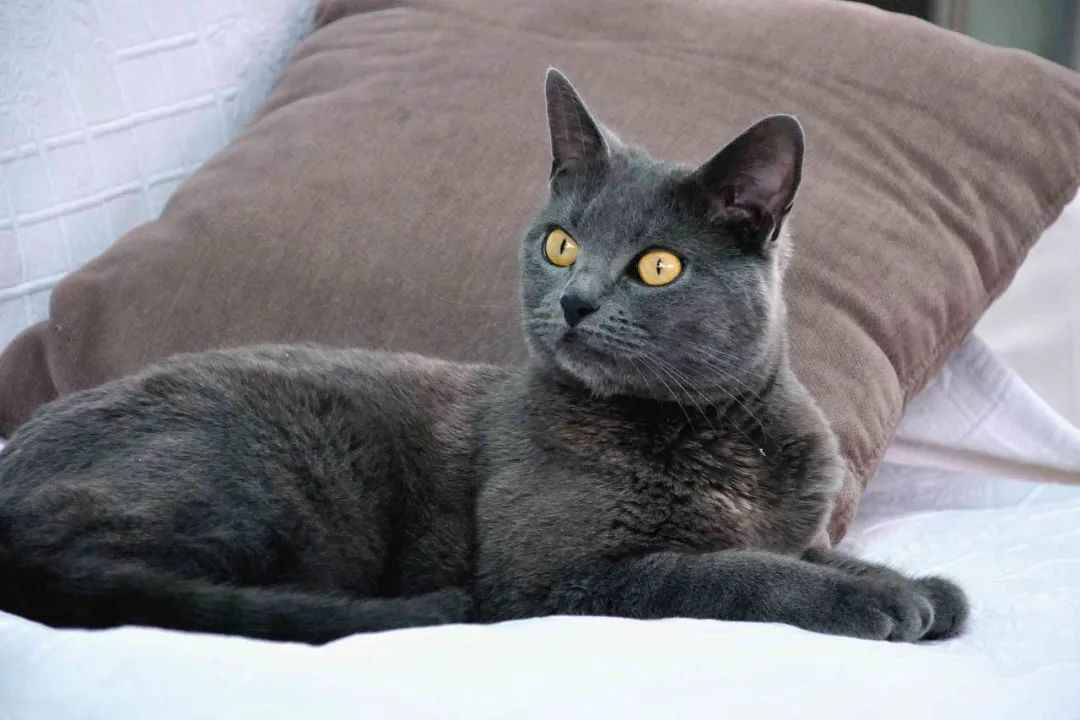
Physically, Cyprus cats are medium-sized with muscular builds, large forward-tilting ears, and striking copper or green eyes—adaptations that suit the island’s warm climate. Known for their alert yet gentle demeanor, they’ve earned a reputation as "lucky charms" among locals. Protected by cultural norms and informal conservation efforts, these cats thrive in both urban and rural areas, often cared for by communities that view them as part of the island’s natural heritage.


From mythological associations in ancient times to their modern role as beloved street dwellers, Cyprus cats embody the island’s spirit of resilience and continuity. More than just animals, they are living ambassadors, weaving through Cyprus’ past and present as a testament to its unique ecological and cultural tapestry.
Latest Stories
Feline News2 minute readThe Kurilian Bobtail Longhair, a captivating breed hailing from Russia’s Sakhalin Island and the Kuril Archipelago, has emerged as a fascinating subject in the international feline community. With its distinctive bobbed tail and striking appearance, this natural breed is garnering recognition for its unique history, robust health, and affectionate demeanor.
Life News2 minute readOn the streets and alleys of Italy, gelato is more than just a refreshing dessert; it is a vivid embodiment of the country's culinary philosophy. Compared to the common American ice cream, this Italian classic has become an irreplaceable culinary symbol in the hearts of food lovers worldwide, thanks to its unique craftsmanship and texture.
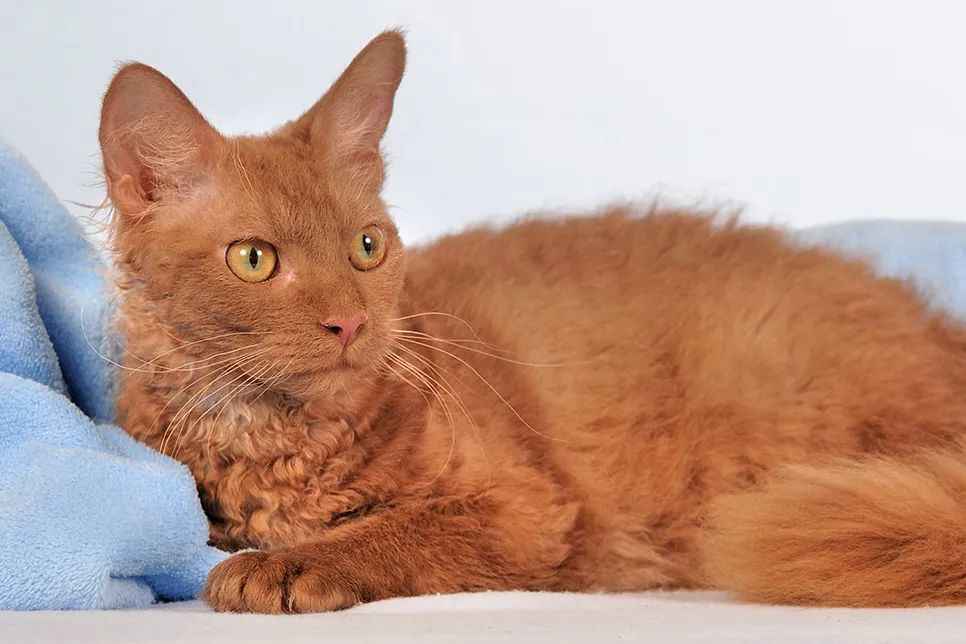
Feline News2 minute readIn 1982, a bald kitten with an unusual genetic mutation emerged in a barn on an Oregon cherry farm, marking the accidental birth of one of the world’s most distinctive feline breeds—the LaPerm. This curly-coated wonder, named for its "wavy" or "rippled" fur, has since captivated cat lovers globally with its unique appearance and playful personality .
Feline News1 minute readThe Brazilian Shorthair, a distinctive feline breed native to Brazil, has captivated cat enthusiasts with its charming personality and adaptable nature. Originating from the country's street cats, the breed was formally recognized in the 1980s after decades of selective breeding to preserve its unique traits.
Feline News1 minute readIn recent days, a cat named Marguerite has quietly risen to fame in a suburban community. The 3-year-old orange-and-white feline, once a street stray, has now become a "heartwarming bond" connecting neighbors.
Feline News2 minute readOriginating from the city of Rostov-on-Don in Russia, the Donskoy cat, also known as the Don Sphynx, has captivated feline enthusiasts worldwide with its unique appearance and affectionate demeanor. First discovered in 1987 when Professor Elena Kovaleva rescued a hairless kitten named Varvara, the breed emerged from a natural genetic mutation that resulted in a lack of fur. Varvara’s subsequent litters produced both haired and hairless kittens, leading breeder Irina Nemykina to develop the Donskoy through selective breeding with European Shorthairs. Recognized by The International Cat Associat
Feline News2 minute readThe Nebelung, a captivating feline often mistaken for the Russian Blue, is a rare breed celebrated for its striking appearance and gentle demeanor. Originating in the U.S. during the 1980s, this breed emerged from intentional crossbreeding to replicate the elegance of Victorian-era long-haired blue cats. Named after the German word "nebel" (meaning "mist"), the Nebelung’s silvery-tipped blue-gray coat evokes a misty aura, while its green or yellow-green eyes add to its enigmatic charm.