Middle East Turmoil Drives Shipping Risks: China-Middle East Container Rates Surge 50%


Industry News
Middle East Turmoil Drives Shipping Risks: China-Middle East Container Rates Surge 50%

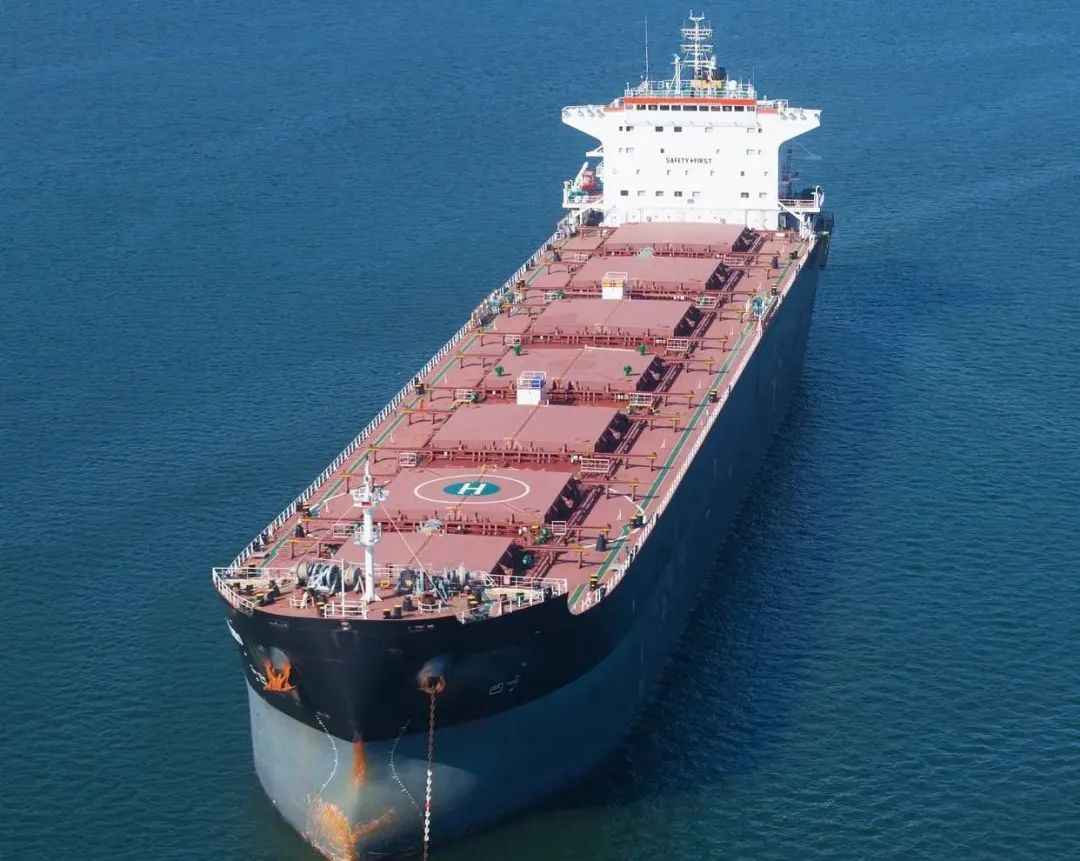
The ongoing tension and volatility in the Middle East are significantly impacting the global shipping industry. On June 24, former U.S. President Donald Trump announced the immediate 生效 of a ceasefire agreement between Israel and Iran, a move that caused international oil prices—previously soaring due to escalating conflicts—to plunge sharply. However, the region's uncertain situation continues to disrupt the shipping sector.


The ongoing tension and volatility in the Middle East are significantly impacting the global shipping industry. On June 24, former U.S. President Donald Trump announced the immediate of a ceasefire agreement between Israel and Iran, a move that caused international oil prices—previously soaring due to escalating conflicts—to plunge sharply. However, the region's uncertain situation continues to disrupt the shipping sector.


A visit to a major supply chain company in Shenzhen revealed a substantial surge in container shipping costs from China to the Middle East. The company's director noted that freight rates for containers bound for Jebel Ali Port in Dubai, for instance, have risen by approximately 50% compared to pre-conflict levels, with quotes fluctuating frequently amid changing circumstances.


Several shipping-related listed companies have confirmed this trend. A staff member from the securities department of one listed firm explained that the core reason behind the rate hikes is the significantly increased security risks on Middle East routes. Shipping companies have been forced to raise prices to cover potential costs such as escort services, route diversions, and enhanced insurance premiums.


Analysts point out that while the ceasefire has temporarily eased the risk of direct military conflict, the complex geopolitics in the region mean the situation could reverse at any time. This uncertainty has not only driven up spot freight rates but also created greater challenges for shippers and carriers in booking, capacity planning, and other aspects, posing new tests to the stability of global trade supply chains.
Latest Stories
Feline News2 minute readThe Kurilian Bobtail Longhair, a captivating breed hailing from Russia’s Sakhalin Island and the Kuril Archipelago, has emerged as a fascinating subject in the international feline community. With its distinctive bobbed tail and striking appearance, this natural breed is garnering recognition for its unique history, robust health, and affectionate demeanor.
Life News2 minute readOn the streets and alleys of Italy, gelato is more than just a refreshing dessert; it is a vivid embodiment of the country's culinary philosophy. Compared to the common American ice cream, this Italian classic has become an irreplaceable culinary symbol in the hearts of food lovers worldwide, thanks to its unique craftsmanship and texture.
Feline News2 minute readIn 1982, a bald kitten with an unusual genetic mutation emerged in a barn on an Oregon cherry farm, marking the accidental birth of one of the world’s most distinctive feline breeds—the LaPerm. This curly-coated wonder, named for its "wavy" or "rippled" fur, has since captivated cat lovers globally with its unique appearance and playful personality .
Feline News1 minute readThe Brazilian Shorthair, a distinctive feline breed native to Brazil, has captivated cat enthusiasts with its charming personality and adaptable nature. Originating from the country's street cats, the breed was formally recognized in the 1980s after decades of selective breeding to preserve its unique traits.
Feline News1 minute readIn recent days, a cat named Marguerite has quietly risen to fame in a suburban community. The 3-year-old orange-and-white feline, once a street stray, has now become a "heartwarming bond" connecting neighbors.
Feline News2 minute readOriginating from the city of Rostov-on-Don in Russia, the Donskoy cat, also known as the Don Sphynx, has captivated feline enthusiasts worldwide with its unique appearance and affectionate demeanor. First discovered in 1987 when Professor Elena Kovaleva rescued a hairless kitten named Varvara, the breed emerged from a natural genetic mutation that resulted in a lack of fur. Varvara’s subsequent litters produced both haired and hairless kittens, leading breeder Irina Nemykina to develop the Donskoy through selective breeding with European Shorthairs. Recognized by The International Cat Associat
Feline News2 minute readThe Nebelung, a captivating feline often mistaken for the Russian Blue, is a rare breed celebrated for its striking appearance and gentle demeanor. Originating in the U.S. during the 1980s, this breed emerged from intentional crossbreeding to replicate the elegance of Victorian-era long-haired blue cats. Named after the German word "nebel" (meaning "mist"), the Nebelung’s silvery-tipped blue-gray coat evokes a misty aura, while its green or yellow-green eyes add to its enigmatic charm.