Majestic Cymric Cats: The Graceful, Tailless Marvels of Feline Affection


Feline News
Majestic Cymric Cats: The Graceful, Tailless Marvels of Feline Affection

The Cymric, a breed celebrated for its distinctive tailless or short-tailed physique and luxurious long fur, has captivated cat enthusiasts worldwide. Originating from Canada in the 1960s as a long-haired variant of the Manx cat, the Cymric emerged when breeders noticed 长毛 kittens in litters of short-haired Manx cats. Named after the Celtic word for Wales, Cymric, the breed was officially recognized by the Cat Fanciers' Association (CFA) and quickly gained popularity for its unique appearance and gentle demeanor.

A Rounded, Regal Physique

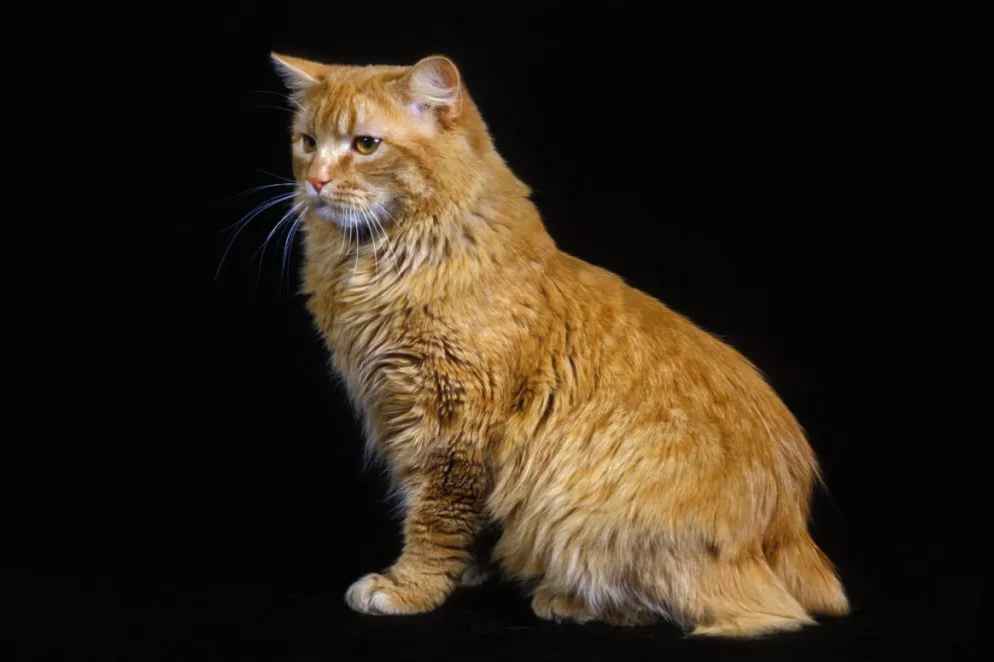
Cymrics are medium-sized cats with a stocky, muscular build and a rounded silhouette. Their hind legs are notably longer than their front legs, giving them a distinctive gait that resembles a bowling ball in motion. The breed is categorized into four tail types: rumpies (completely tailless), stumpies (short stubs), rumpy risers (tiny tail protrusions), and occasionally longies (full tails). Their dense, double-layered coat comes in a spectrum of colors, from solid tones to intricate patterns, with longer fur on the neck, belly, and legs.

Gentle Personalities and Family-Friendly Traits

Known for their calm and loyal nature, Cymrics form deep bonds with their human companions. They exhibit "dog-like" devotion, often following owners around the house and seeking constant interaction. Despite their serene demeanor, these cats are playful and intelligent, capable of solving puzzles or entertaining themselves with toys. They thrive in households with children and other pets, displaying patience and adaptability.

Health Considerations and Care

While generally robust, Cymrics are prone to specific health issues tied to their genetics. The most significant concern is Manx Syndrome, a congenital condition affecting the spine and nervous system, which can cause urinary incontinence, mobility issues, or spinal deformities. Breeders prioritize selecting cats without severe spinal defects to mitigate risks. Additionally, Cymrics may develop obesity if their diet is not strictly managed, as they have hearty appetites and love to eat. Regular dental care and monitoring for hip dysplasia are also recommended.

A Breed Rooted in Legends and Legacy

The Cymric’s origins are steeped in folklore, including tales of the Manx cat’s tail being lost during Noah’s Ark voyage. Today, responsible breeding programs focus on preserving the breed’s health and unique traits. Their affectionate personalities and striking appearance make them cherished pets in homes across the globe.


For families seeking a devoted, low-maintenance companion with a touch of mythical charm, the Cymric is an ideal choice. As one of the world’s most distinctive cat breeds, they continue to enchant with their grace, loyalty, and timeless allure.
Latest Stories
Feline News2 minute readThe Kurilian Bobtail Longhair, a captivating breed hailing from Russia’s Sakhalin Island and the Kuril Archipelago, has emerged as a fascinating subject in the international feline community. With its distinctive bobbed tail and striking appearance, this natural breed is garnering recognition for its unique history, robust health, and affectionate demeanor.
Life News2 minute readOn the streets and alleys of Italy, gelato is more than just a refreshing dessert; it is a vivid embodiment of the country's culinary philosophy. Compared to the common American ice cream, this Italian classic has become an irreplaceable culinary symbol in the hearts of food lovers worldwide, thanks to its unique craftsmanship and texture.
Feline News2 minute readIn 1982, a bald kitten with an unusual genetic mutation emerged in a barn on an Oregon cherry farm, marking the accidental birth of one of the world’s most distinctive feline breeds—the LaPerm. This curly-coated wonder, named for its "wavy" or "rippled" fur, has since captivated cat lovers globally with its unique appearance and playful personality .
Feline News1 minute readThe Brazilian Shorthair, a distinctive feline breed native to Brazil, has captivated cat enthusiasts with its charming personality and adaptable nature. Originating from the country's street cats, the breed was formally recognized in the 1980s after decades of selective breeding to preserve its unique traits.
Feline News1 minute readIn recent days, a cat named Marguerite has quietly risen to fame in a suburban community. The 3-year-old orange-and-white feline, once a street stray, has now become a "heartwarming bond" connecting neighbors.
Feline News2 minute readOriginating from the city of Rostov-on-Don in Russia, the Donskoy cat, also known as the Don Sphynx, has captivated feline enthusiasts worldwide with its unique appearance and affectionate demeanor. First discovered in 1987 when Professor Elena Kovaleva rescued a hairless kitten named Varvara, the breed emerged from a natural genetic mutation that resulted in a lack of fur. Varvara’s subsequent litters produced both haired and hairless kittens, leading breeder Irina Nemykina to develop the Donskoy through selective breeding with European Shorthairs. Recognized by The International Cat Associat
Feline News2 minute readThe Nebelung, a captivating feline often mistaken for the Russian Blue, is a rare breed celebrated for its striking appearance and gentle demeanor. Originating in the U.S. during the 1980s, this breed emerged from intentional crossbreeding to replicate the elegance of Victorian-era long-haired blue cats. Named after the German word "nebel" (meaning "mist"), the Nebelung’s silvery-tipped blue-gray coat evokes a misty aura, while its green or yellow-green eyes add to its enigmatic charm.