Khao Manee: Thailand’s Royal ‘White Gem’ Cat with Celestial Eyes


Feline News
Khao Manee: Thailand’s Royal ‘White Gem’ Cat with Celestial Eyes

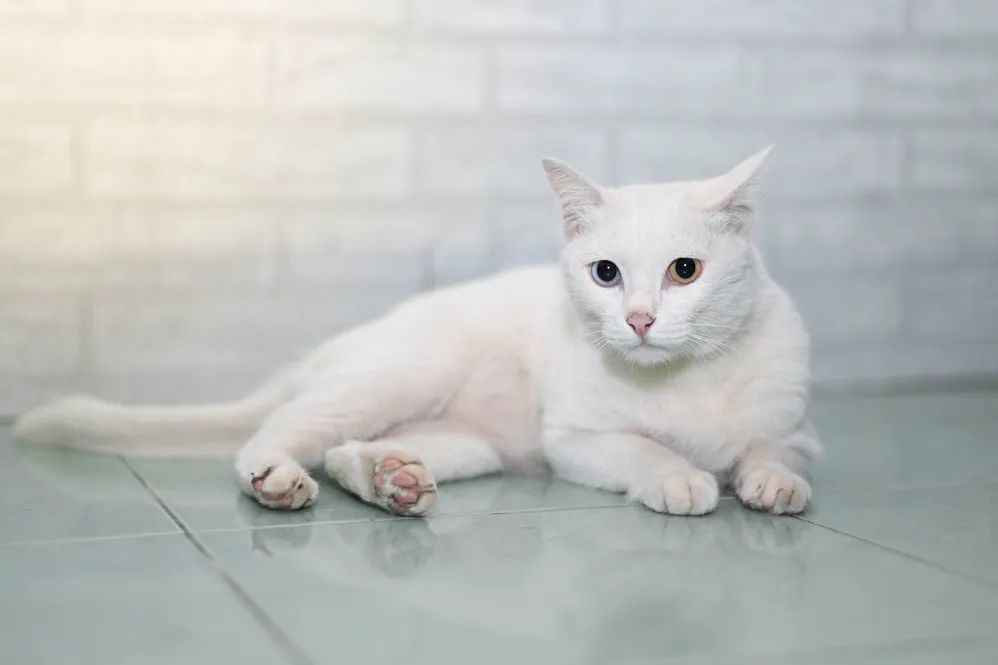
For centuries, the Khao Manee—Thailand’s enigmatic "White Gem" cat—has captivated hearts with its pure white coat and jewel-like eyes, symbolizing prosperity and divine protection. Originating from ancient Siam, this regal breed was once restricted to royal courts, where it was revered as a guardian of luck and a sacred companion.

Khao Manee: Thailand’s Royal ‘White Gem’ Cat with Celestial Eyes
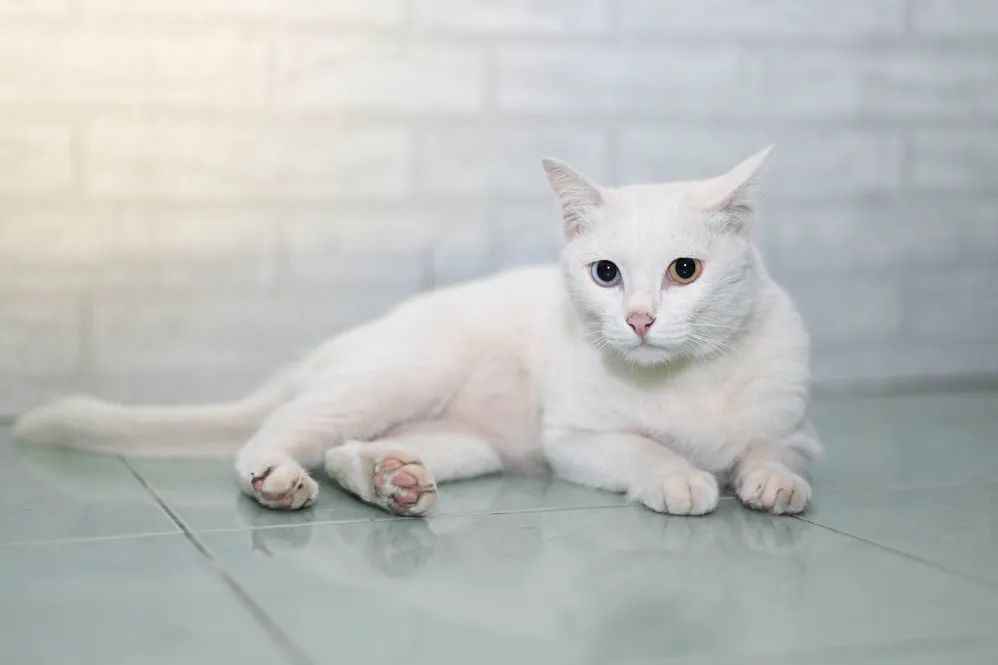
 

Source: Images from the Internet, if there is any infringement, please contact the removal of


For centuries, the Khao Manee—Thailand’s enigmatic "White Gem" cat—has captivated hearts with its pure white coat and jewel-like eyes, symbolizing prosperity and divine protection. Originating from ancient Siam, this regal breed was once restricted to royal courts, where it was revered as a guardian of luck and a sacred companion.

A Legacy of Royalty and Myth

Mentioned in the 14th-century Tamra Maew (Cat Book Poems), the Khao Manee was exclusively cherished by Thai nobility. King Rama V, who ruled from 1868 to 1910, kept nine of these cats, underscoring their status as living treasures. Legends claim they could heal ailments and ward off evil spirits, leading to strict laws that prohibited their export until 1999, when American breeder Colleen Freymuth introduced the first pair to the U.S., sparking global interest.

Striking Appearance and Genetic Marvel

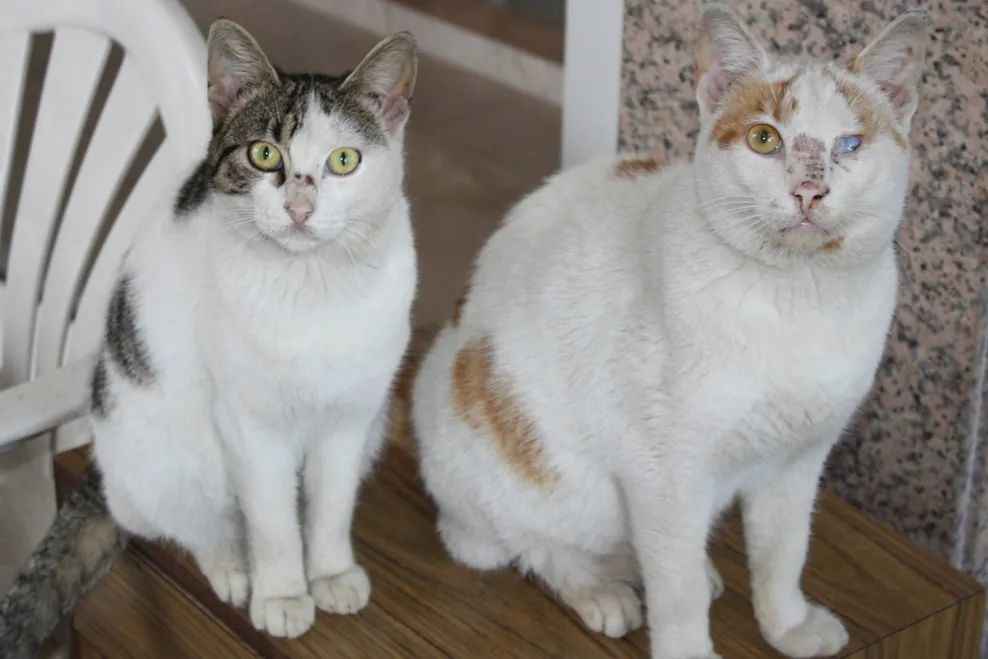
The breed’s most iconic features are its luminous eyes, which can be blue, amber, green, or "odd-eyed" (two different colors). This heterochromia, combined with a shimmering white coat, earned it the nickname "Diamond Eye Cat". Khao Manee kittens may initially have black spots, but these fade by 18 months, leaving a flawless snowy coat. Their muscular build, wedge-shaped heads, and high cheekbones exude elegance, while their playful and vocal nature makes them engaging companions.

Modern Challenges and Global Recognition

Despite growing popularity, the Khao Manee remains critically rare. The International Cat Association (TICA) granted it "Preliminary New Breed" status in 2011, while the Cat Fanciers’ Association (CFA) accepted registration in 2018, though full recognition is pending. Health concerns, such as congenital deafness in blue-eyed cats, require careful breeding practices. A single kitten can fetch up to $10,000, reflecting its scarcity and cultural value.

From Palace to Global Icon

Today, the Khao Manee serves as a cultural ambassador, appearing in Thai festivals and international cat shows. Its inclusion in TV documentaries like Cats 101 and growing presence in Western households highlight its universal appeal. In Thailand, it continues to symbolize national pride, featured in art and ceremonies, embodying the enduring bond between humans and nature’s most elegant creations.


As one Thai proverb states: "To own a Khao Manee is to hold a star’s blessing." This ancient breed, with its celestial gaze and regal bearing, continues to bridge tradition and modernity, captivating the world one "white gem" at a time.
Latest Stories
Industry News1 minute readG20 finance ministers and central bank governors have issued a joint communiqué, committing to enhance international policy cooperation and sending a signal in support of multilateralism. They emphasized the need to end global trade conflicts soon and called on the U.S. and Europe to reach a fair agreement on tariffs.
Animal Information1 minute readIn the arid deserts of South America, an endangered pig-like species known locally as "taguá" (Chacoan peccary, Catagonus wagneri) is fighting for survival. These remarkable creatures have adapted uniquely to thrive in harsh desert conditions, with their diet centered on spiky cacti—an unusual food source that few other animals can exploit.
Animal Information1 minute readBeneath the waters of the Missouri River basin resides a creature that stands as a living testament to Earth's ancient past—the pallid sturgeon (Scaphirhynchus albus). Dubbed a "living fossil," this substantial fish traces its lineage back to the age of dinosaurs, persisting through tens of millions of years of geological shifts and biological evolution in these river systems.
Industry News1 minute readMicrosoft and the U.S. Idaho National Laboratory (INL) announced a partnership on July 16 to use AI in new nuclear plant licensing, aiming to drastically shorten the process. The move responds to Trump’s executive order to cut nuclear licensing to 18 months, addressing growing energy demands from AI data centers.
Industry News1 minute readThe U.S. Federal Communications Commission (FCC) announced plans on July 16 to introduce new rules, fully prohibiting any submarine communication cables containing Chinese technology or equipment from connecting to U.S. networks.
Feline News2 minute readThe Himalayan cat, a captivating fusion of Persian and Siamese genetics, has enchanted cat enthusiasts worldwide with its striking blue eyes and luxurious coat. Bred since the 1930s, this breed gained official recognition in 1957 when breeders Ben and Ann Borrett debuted their specimens at a cat show, setting standards adopted by organizations like the CFA . Nicknamed "Himmies," these cats balance elegance with affectionate charm, though their popularity demands careful attention to health and grooming.
Feline News1 minute read[Nashville, July 18th] —— The Tennessee Rex, a uniquely American cat breed celebrated for its naturally curly fur, is gaining recognition among pet enthusiasts worldwide. This distinctive feline traces its origins to a chance discovery in 2004 in Tennessee, where a stray cat gave birth to a litter containing a kitten with unusually soft, curly hair—a natural genetic mutation that marked the breed's beginning.