The Enchanting Fusion of Elegance and Affection


Feline News
The Enchanting Fusion of Elegance and Affection

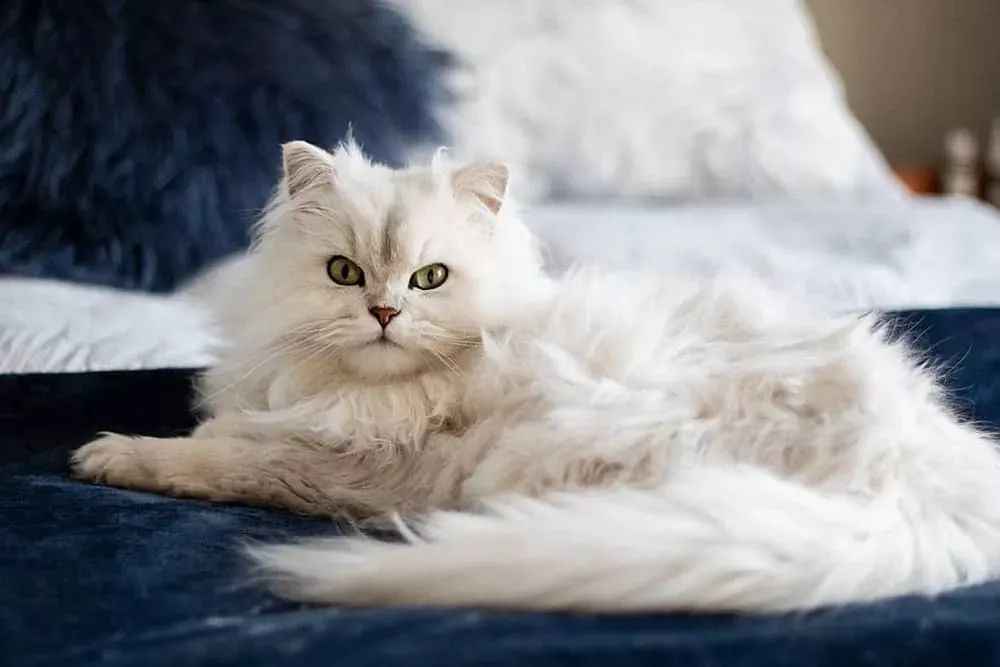
The Burmilla Longhair, a captivating feline breed born from an accidental union of a Chinchilla Persian and Burmese cat in 1981, has charmed cat lovers worldwide with its striking appearance and endearing personality. This semi-longhaired beauty, recognized by The International Cat Association (TICA) since 2015 , combines the regal grace of Persians with the playful spirit of Burmese, creating a unique companion that thrives in family settings.

Origins and Recognition
The breed’s story began in the UK when a curious lilac Burmese female, Bambino Lilac Fabergé, escaped her enclosure and mated with a Chinchilla Persian named Jemari Sanquist. Their four silver-shaded kittens sparked a breeding program, leading to the official recognition of Burmillas by FIFe in 1995 and CFA in 2011 . The longhaired variant, though occasionally born to shorthaired parents due to recessive genes , gained TICA championship status in 2015 under the name “Burmilla Longhair” .


Distinctive Appearance
The Burmilla Longhair boasts a luxurious semi-long coat with a silky texture and subtle feathering on the chest, legs, and tail. Unlike Persians, they avoid extreme features, maintaining a refined wedge-shaped head, large expressive green eyes outlined in black “eyeliner,” and a snowy white undercoat with silver or shaded tipping . Their medium build, muscular yet elegant, reflects their Burmese heritage, with males weighing 5–6 kg and females 4.5–5.5 kg .


Personality and Temperament
This breed embodies a harmonious blend of traits: the Burmese’s sociability and curiosity paired with the Persian’s calm demeanor. Burmilla Longhairs are affectionate, thrive on human interaction, and display kitten-like playfulness well into adulthood . They adapt seamlessly to households with children or other pets, often seeking laps for cuddles or engaging in interactive games. Their intelligence and gentle nature make them ideal companions for both active families and quieter households .


Care and Health
While their semi-long coat requires weekly brushing to prevent tangles and distribute natural oils , they are less high-maintenance than Persian counterparts. Regular dental care and vet check-ups are essential to monitor for potential hereditary issues like polycystic kidney disease (PKD) and hypertrophic cardiomyopathy (HCM) . A balanced diet tailored to their activity level ensures optimal health, and indoor living protects them from outdoor risks .


Conclusion
The Burmilla Longhair, with its striking silver coat, emerald eyes, and loving disposition, remains a rare gem in the feline world. Whether curled up by the fire or exploring their environment with playful curiosity, these cats exemplify the perfect balance of beauty and companionship. For those seeking a devoted, elegant, and low-drama feline friend, the Burmilla Longhair is an exceptional choice.
Latest Stories
Feline News2 minute readThe Kurilian Bobtail Longhair, a captivating breed hailing from Russia’s Sakhalin Island and the Kuril Archipelago, has emerged as a fascinating subject in the international feline community. With its distinctive bobbed tail and striking appearance, this natural breed is garnering recognition for its unique history, robust health, and affectionate demeanor.
Life News2 minute readOn the streets and alleys of Italy, gelato is more than just a refreshing dessert; it is a vivid embodiment of the country's culinary philosophy. Compared to the common American ice cream, this Italian classic has become an irreplaceable culinary symbol in the hearts of food lovers worldwide, thanks to its unique craftsmanship and texture.
Feline News2 minute readIn 1982, a bald kitten with an unusual genetic mutation emerged in a barn on an Oregon cherry farm, marking the accidental birth of one of the world’s most distinctive feline breeds—the LaPerm. This curly-coated wonder, named for its "wavy" or "rippled" fur, has since captivated cat lovers globally with its unique appearance and playful personality .
Feline News1 minute readThe Brazilian Shorthair, a distinctive feline breed native to Brazil, has captivated cat enthusiasts with its charming personality and adaptable nature. Originating from the country's street cats, the breed was formally recognized in the 1980s after decades of selective breeding to preserve its unique traits.
Feline News1 minute readIn recent days, a cat named Marguerite has quietly risen to fame in a suburban community. The 3-year-old orange-and-white feline, once a street stray, has now become a "heartwarming bond" connecting neighbors.
Feline News2 minute readOriginating from the city of Rostov-on-Don in Russia, the Donskoy cat, also known as the Don Sphynx, has captivated feline enthusiasts worldwide with its unique appearance and affectionate demeanor. First discovered in 1987 when Professor Elena Kovaleva rescued a hairless kitten named Varvara, the breed emerged from a natural genetic mutation that resulted in a lack of fur. Varvara’s subsequent litters produced both haired and hairless kittens, leading breeder Irina Nemykina to develop the Donskoy through selective breeding with European Shorthairs. Recognized by The International Cat Associat
Feline News2 minute readThe Nebelung, a captivating feline often mistaken for the Russian Blue, is a rare breed celebrated for its striking appearance and gentle demeanor. Originating in the U.S. during the 1980s, this breed emerged from intentional crossbreeding to replicate the elegance of Victorian-era long-haired blue cats. Named after the German word "nebel" (meaning "mist"), the Nebelung’s silvery-tipped blue-gray coat evokes a misty aura, while its green or yellow-green eyes add to its enigmatic charm.