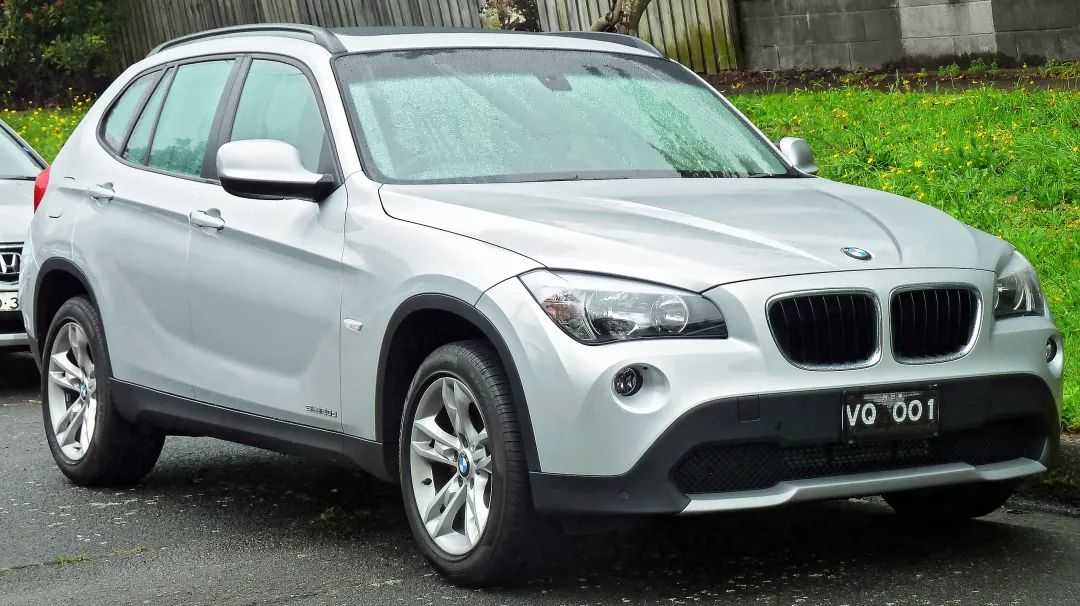
E84 X1 (2011–2015) sDrive/xDrive20i / 28i


Car Information
E84 X1 (2011–2015) sDrive/xDrive20i / 28i

The E84 X1 marked a pivotal shift for BMW’s compact SUV with the introduction of N20 turbocharged engines, replacing the earlier N46/N52 naturally aspirated units. This powertrain upgrade brought forced induction to the platform for the first time, balancing performance with efficiency across sDrive (rear-wheel drive) and xDrive (all-wheel drive) configurations.


The 20i variant, available in both drive layouts, delivered 135kW (184hp) and 270Nm, while the 28i bumped output to 180kW (245hp) and 350Nm—both leveraging twin-scroll turbocharging and Valvetronic technology. Transmission pairings varied by model year and trim: early models featured a 6-speed automatic, while later versions transitioned to ZF’s 8-speed automatic (8AT), enhancing shift smoothness and fuel economy.


This turbocharged transition revitalized the X1’s driving character, with the 28i offering spirited acceleration (0–100 km/h in ~6.5 seconds) and the 20i prioritizing daily drivability. The xDrive system improved traction in all weather, while the sDrive variants emphasized traditional BMW rear-wheel-drive dynamics. The N20 engine’s integration also marked a shift toward downsized, efficient powertrains in BMW’s compact lineup, making the E84 X1 a bridge between legacy engines and modern turbo technology.
Latest Stories
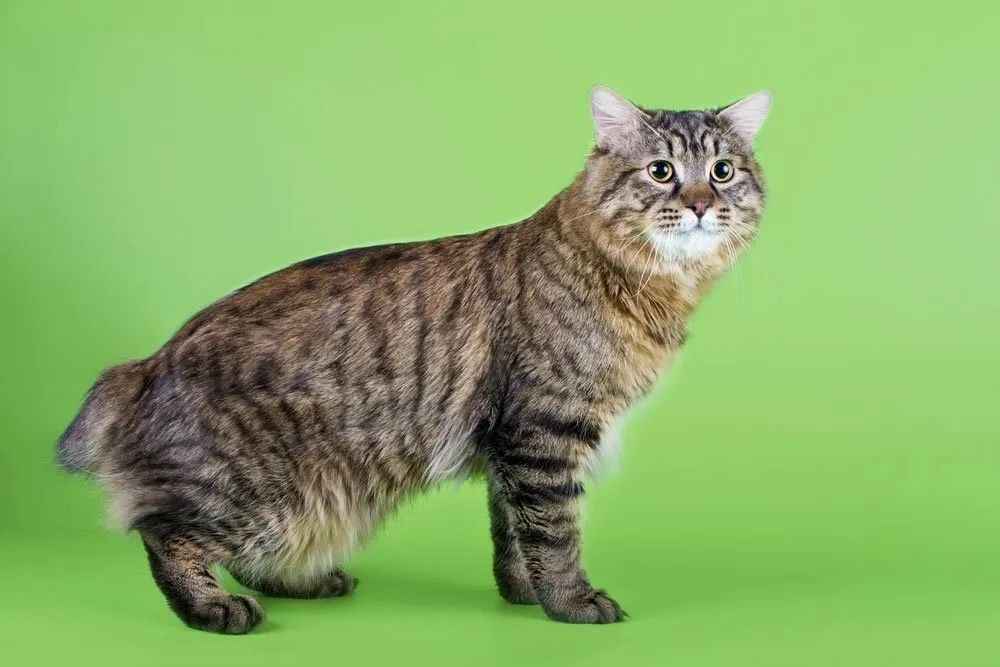
Feline News2 minute readThe Kurilian Bobtail Longhair, a captivating breed hailing from Russia’s Sakhalin Island and the Kuril Archipelago, has emerged as a fascinating subject in the international feline community. With its distinctive bobbed tail and striking appearance, this natural breed is garnering recognition for its unique history, robust health, and affectionate demeanor.
Life News2 minute readOn the streets and alleys of Italy, gelato is more than just a refreshing dessert; it is a vivid embodiment of the country's culinary philosophy. Compared to the common American ice cream, this Italian classic has become an irreplaceable culinary symbol in the hearts of food lovers worldwide, thanks to its unique craftsmanship and texture.
Feline News2 minute readIn 1982, a bald kitten with an unusual genetic mutation emerged in a barn on an Oregon cherry farm, marking the accidental birth of one of the world’s most distinctive feline breeds—the LaPerm. This curly-coated wonder, named for its "wavy" or "rippled" fur, has since captivated cat lovers globally with its unique appearance and playful personality .
Feline News1 minute readThe Brazilian Shorthair, a distinctive feline breed native to Brazil, has captivated cat enthusiasts with its charming personality and adaptable nature. Originating from the country's street cats, the breed was formally recognized in the 1980s after decades of selective breeding to preserve its unique traits.
Feline News1 minute readIn recent days, a cat named Marguerite has quietly risen to fame in a suburban community. The 3-year-old orange-and-white feline, once a street stray, has now become a "heartwarming bond" connecting neighbors.
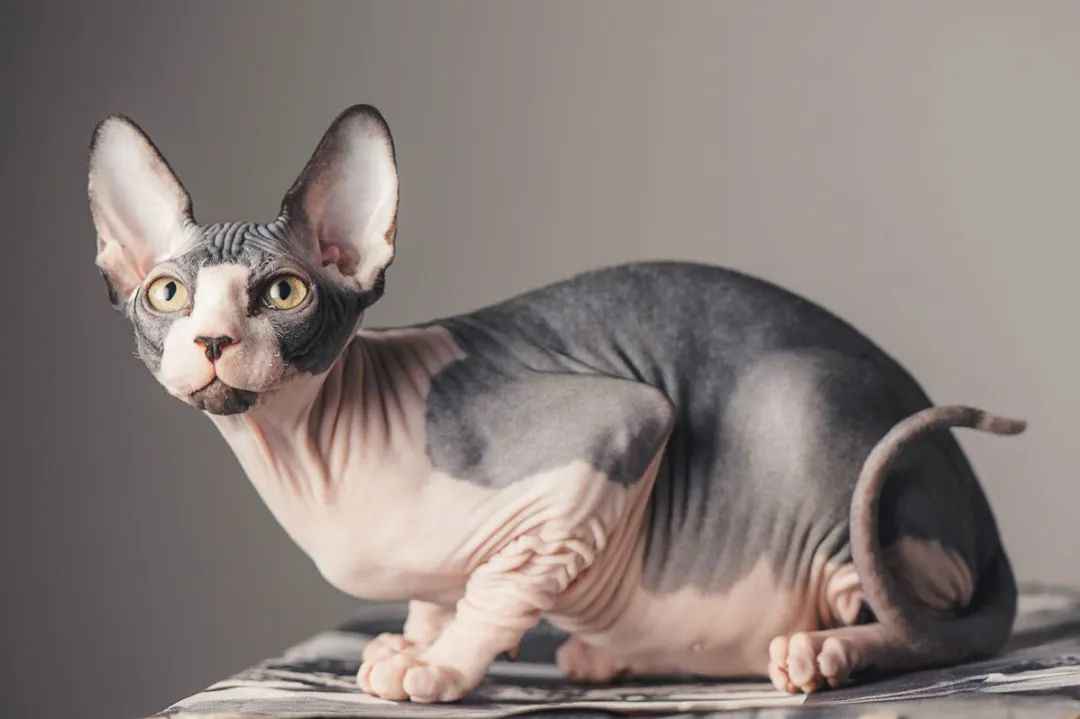
Feline News2 minute readOriginating from the city of Rostov-on-Don in Russia, the Donskoy cat, also known as the Don Sphynx, has captivated feline enthusiasts worldwide with its unique appearance and affectionate demeanor. First discovered in 1987 when Professor Elena Kovaleva rescued a hairless kitten named Varvara, the breed emerged from a natural genetic mutation that resulted in a lack of fur. Varvara’s subsequent litters produced both haired and hairless kittens, leading breeder Irina Nemykina to develop the Donskoy through selective breeding with European Shorthairs. Recognized by The International Cat Associat
Feline News2 minute readThe Nebelung, a captivating feline often mistaken for the Russian Blue, is a rare breed celebrated for its striking appearance and gentle demeanor. Originating in the U.S. during the 1980s, this breed emerged from intentional crossbreeding to replicate the elegance of Victorian-era long-haired blue cats. Named after the German word "nebel" (meaning "mist"), the Nebelung’s silvery-tipped blue-gray coat evokes a misty aura, while its green or yellow-green eyes add to its enigmatic charm.