American Bobtail: A Perfect Fusion of Wilderness and Domestic Affection


Feline News
American Bobtail: A Perfect Fusion of Wilderness and Domestic Affection

The American Bobtail, a breed cherished for its captivating wild aesthetics and loving disposition, has enchanted cat enthusiasts globally with its distinctive traits. Emerging from a natural genetic mutation in domestic cats, this medium-to-large breed traces its roots back to the late 1960s when a short-tailed cat named Yodie was found in Arizona. Breeders carefully crossed Yodie with a Siamese cat, establishing a lineage that merges the rugged charm of a bobcat with the gentle essence of a household pet

Unique Physical Attributes

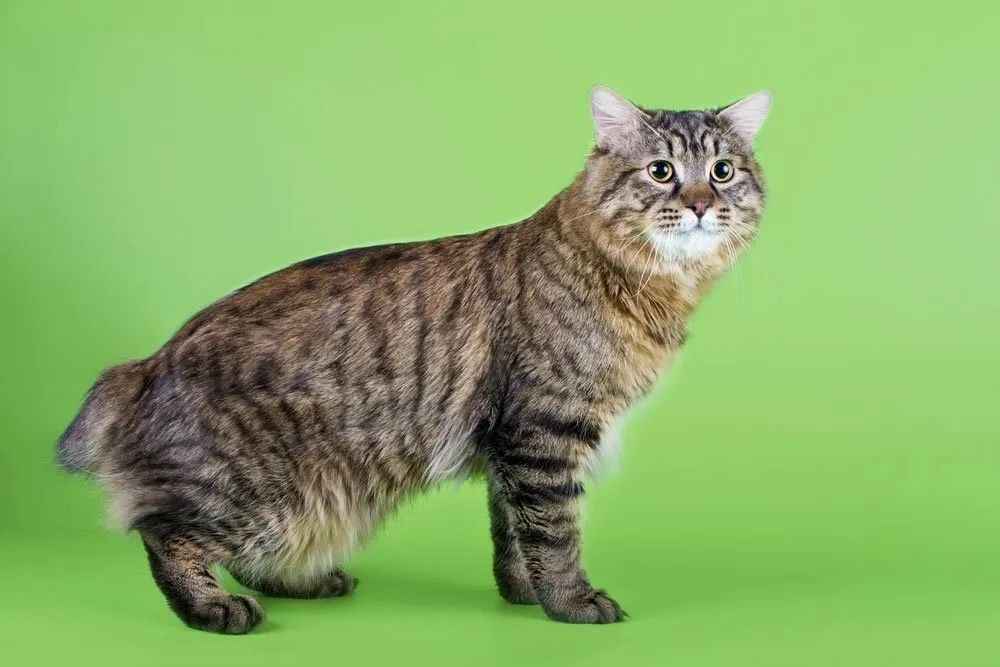
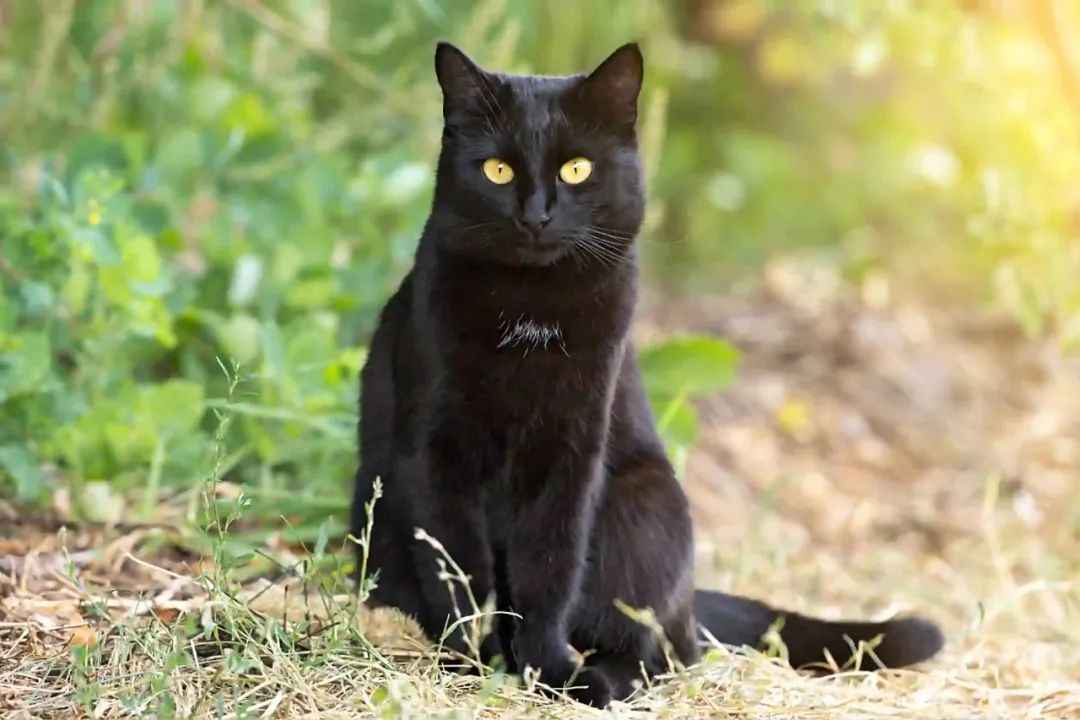
The breed’s most defining feature is its namesake "bobbed" tail, measuring 1 to 4 inches long and varying in shape—straight, curved, or slightly kinked. This, paired with its muscular frame and broad chest, gives the American Bobtail a lynx-like appearance. Their coats, available in short or long lengths, showcase a diverse range of colors and patterns, often reminiscent of wild tabby cats. Almond-shaped eyes, accentuated by prominent brows, radiate intelligence and vigilance, while their rectangular build and strong legs highlight their athletic prowess .

Temperament and Behavior

Belying their wild appearance, American Bobtails are renowned for their dog-like loyalty and sociability. They form strong bonds with their human families, often greeting them at the door and shadowing them throughout the home. These intelligent and playful cats thrive on interactive games such as fetch and hide-and-seek. Their adaptability suits various households, including those with children or dogs. Notably, their intuitive nature makes them exceptional companions for individuals seeking emotional support .

Health and Maintenance

American Bobtails are generally hardy, living 13 to 15 years. Breeders must monitor for potential spinal or hip issues related to the tail mutation. Ethical breeders conduct genetic testing to screen for conditions like polycystic kidney disease. Grooming is low-maintenance, requiring weekly brushing to keep their semi-dense coats healthy. A protein-rich diet supports their active lifestyle, while routine veterinary care ensures early detection of health concerns .

Growing Demand and Adoption

In 2025, the American Bobtail remains a sought-after breed, with kittens priced between $600 and $1,200 based on lineage. Adoption fees range from $50 to $300, providing an accessible option for prospective owners. Their rarity and unique attributes have also positioned them in therapy roles, where their empathetic nature aids in anxiety and PTSD management .


For those considering an American Bobtail, reputable breeders stress early socialization and responsible care. Whether exploring outdoors on a leash or cozying up for a nap, these cats exemplify the ideal blend of wild elegance and domestic warmth.
Latest Stories
Feline News2 minute readThe Kurilian Bobtail Longhair, a captivating breed hailing from Russia’s Sakhalin Island and the Kuril Archipelago, has emerged as a fascinating subject in the international feline community. With its distinctive bobbed tail and striking appearance, this natural breed is garnering recognition for its unique history, robust health, and affectionate demeanor.
Life News2 minute readOn the streets and alleys of Italy, gelato is more than just a refreshing dessert; it is a vivid embodiment of the country's culinary philosophy. Compared to the common American ice cream, this Italian classic has become an irreplaceable culinary symbol in the hearts of food lovers worldwide, thanks to its unique craftsmanship and texture.
Feline News2 minute readIn 1982, a bald kitten with an unusual genetic mutation emerged in a barn on an Oregon cherry farm, marking the accidental birth of one of the world’s most distinctive feline breeds—the LaPerm. This curly-coated wonder, named for its "wavy" or "rippled" fur, has since captivated cat lovers globally with its unique appearance and playful personality .
Feline News1 minute readThe Brazilian Shorthair, a distinctive feline breed native to Brazil, has captivated cat enthusiasts with its charming personality and adaptable nature. Originating from the country's street cats, the breed was formally recognized in the 1980s after decades of selective breeding to preserve its unique traits.
Feline News1 minute readIn recent days, a cat named Marguerite has quietly risen to fame in a suburban community. The 3-year-old orange-and-white feline, once a street stray, has now become a "heartwarming bond" connecting neighbors.
Feline News2 minute readOriginating from the city of Rostov-on-Don in Russia, the Donskoy cat, also known as the Don Sphynx, has captivated feline enthusiasts worldwide with its unique appearance and affectionate demeanor. First discovered in 1987 when Professor Elena Kovaleva rescued a hairless kitten named Varvara, the breed emerged from a natural genetic mutation that resulted in a lack of fur. Varvara’s subsequent litters produced both haired and hairless kittens, leading breeder Irina Nemykina to develop the Donskoy through selective breeding with European Shorthairs. Recognized by The International Cat Associat
Feline News2 minute readThe Nebelung, a captivating feline often mistaken for the Russian Blue, is a rare breed celebrated for its striking appearance and gentle demeanor. Originating in the U.S. during the 1980s, this breed emerged from intentional crossbreeding to replicate the elegance of Victorian-era long-haired blue cats. Named after the German word "nebel" (meaning "mist"), the Nebelung’s silvery-tipped blue-gray coat evokes a misty aura, while its green or yellow-green eyes add to its enigmatic charm.