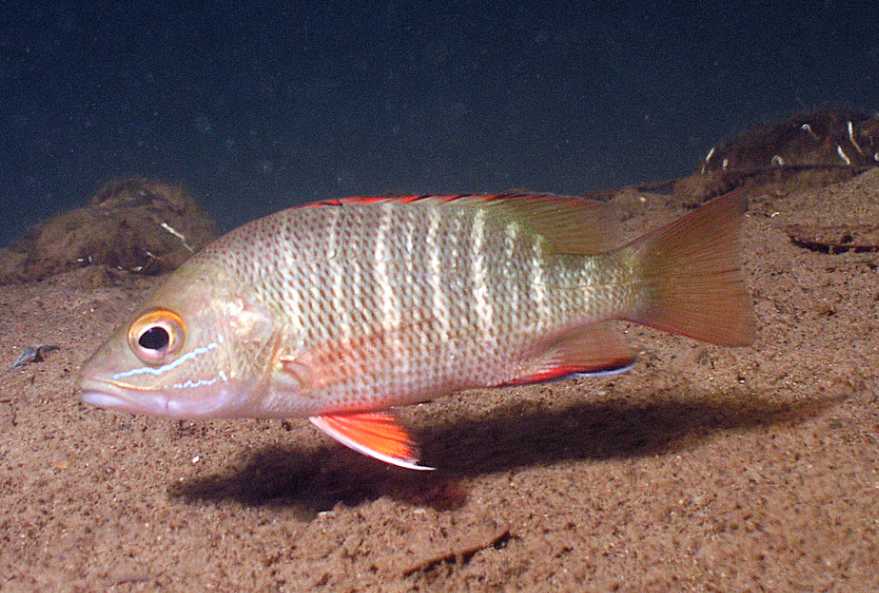
Apogon quadrilineatus: The Four-Lined Cardinalfish of Coral Reefs
Apogon quadrilineatus, commonly known as the four-lined cardinalfish, is a small, vibrant species belonging to the Apogonidae family, thriving in the warm, tropical waters of the Indo-Pacific region. Renowned for its striking pattern and nocturnal habits, this fish is characterized by a sleek, elongated body with a deep red to orange hue, adorned with four distinct horizontal black lines that run the length of its flanks, creating a bold contrast against its vivid coloration.
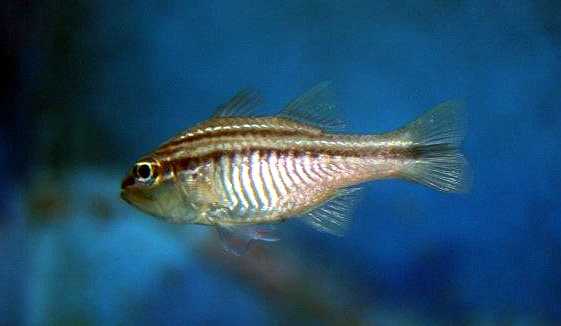
Apogon kiensis: The Pendant-Banded Cardinalfish of Tropical Reefs
Apogon kiensis, commonly known as the pendant-banded cardinalfish, is a small, captivating species belonging to the Apogonidae family, inhabiting the warm, clear waters of the Indo-Pacific region. Named for the distinct vertical bands on its body, this fish features a streamlined, oval-shaped body with a rich reddish-brown to orange coloration, accented by two prominent dark vertical bands—one just behind the gills and another near the caudal fin—giving it a striking and recognizable appearance.
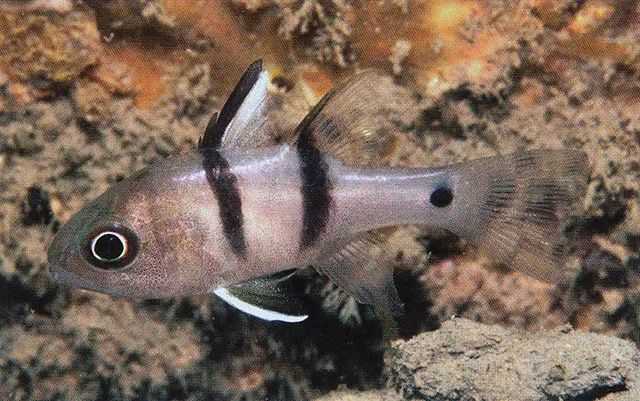
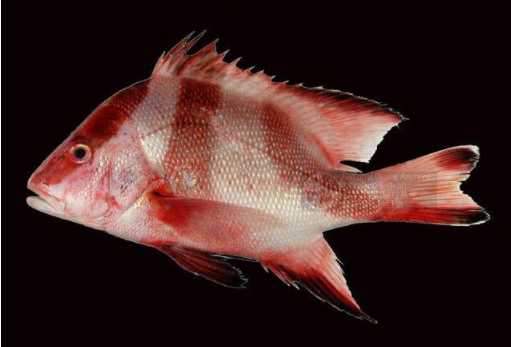
Hapalogenys mucronatus: The Oblique-Banded Beard Croaker of Asian Coastal Waters
Hapalogenys mucronatus, commonly known as the oblique-banded beard croaker, is a distinctive marine fish belonging to the Haemulidae family. Inhabiting the temperate and subtropical waters of the northwestern Pacific Ocean, this species is celebrated for its unique appearance and cultural significance in regional fisheries. Characterized by its robust body and striking diagonal stripes, it stands out as a notable inhabitant of coastal ecosystems.
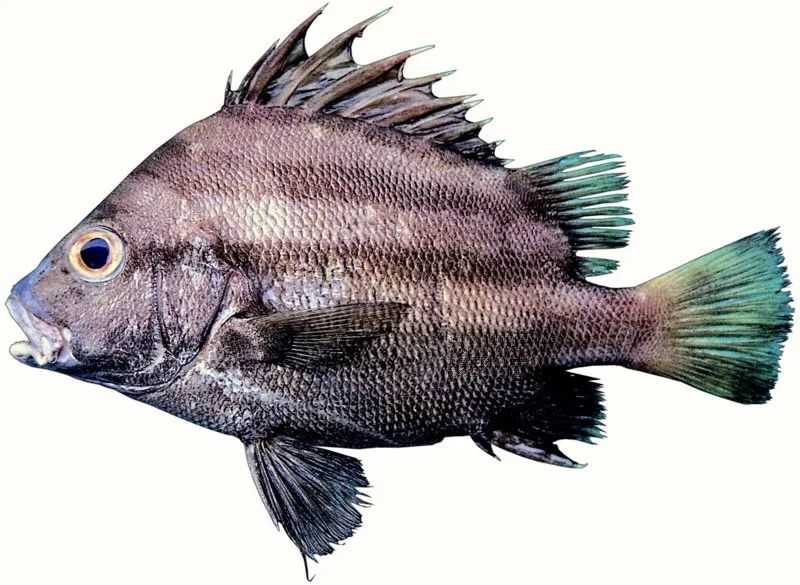
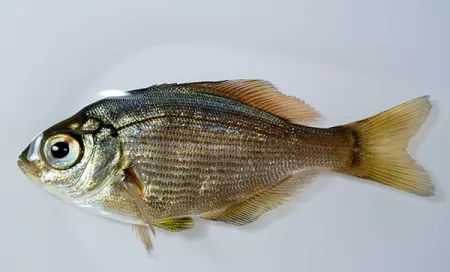
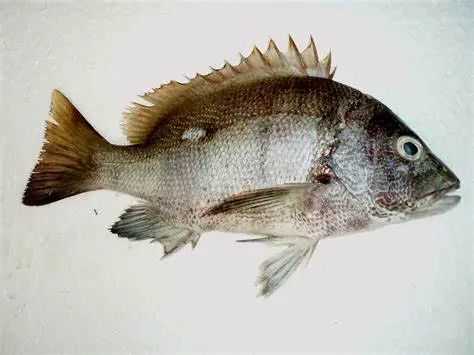
Gerres abbreviatus: The Compact Mojarra of Tropical Shores
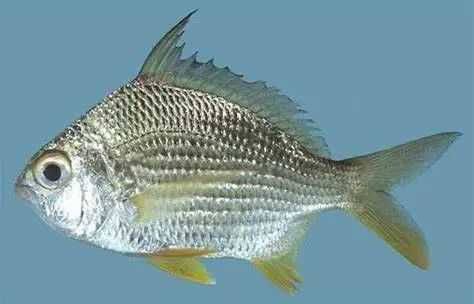
Gerres abbreviatus, commonly known as the compact mojarra or short jewelfish, is a distinctive species within the Gerreidae family, thriving in the warm, shallow waters of the Indo-Pacific region. Recognized by its unique body shape and vibrant coloration, this fish is a notable inhabitant of coastal ecosystems, playing a vital role in the intricate food webs of tropical and subtropical seas.
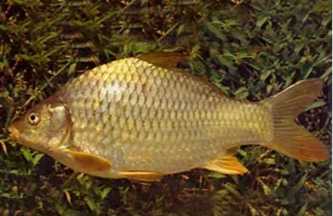
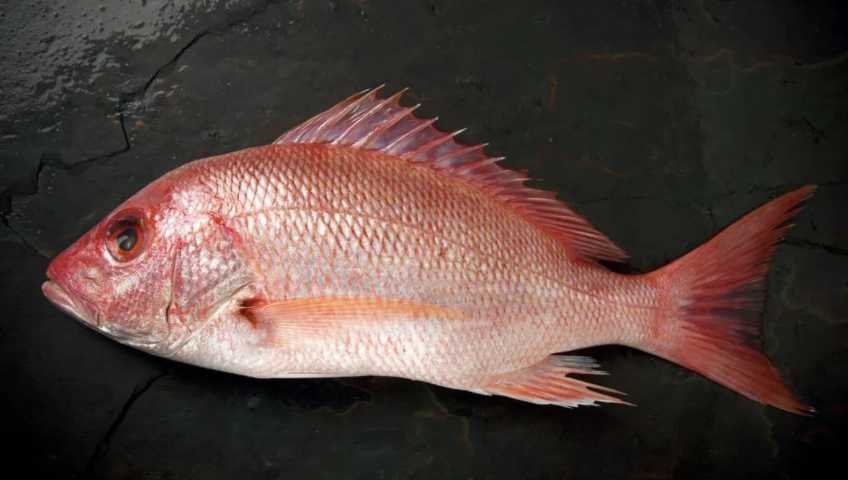
Gerres filamentosus: The Longspine Mojarra of Coastal Waters
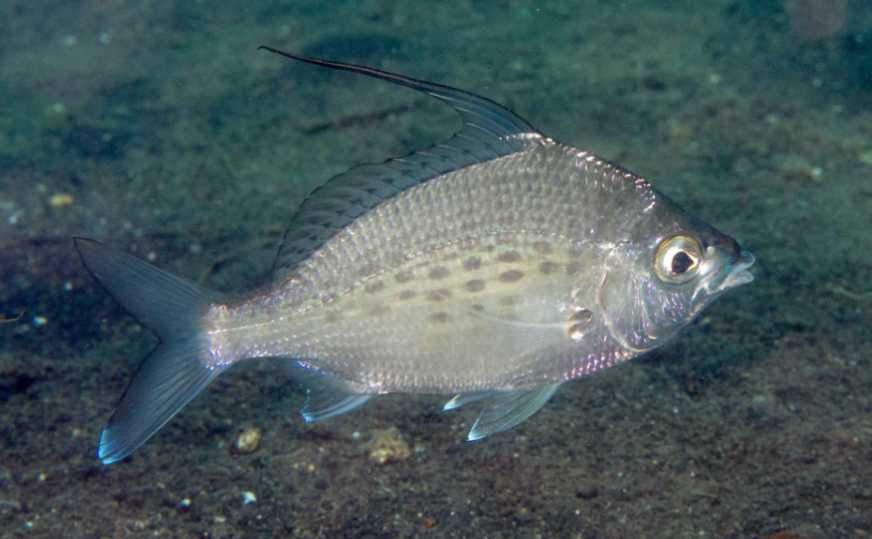
Gerres filamentosus, commonly known as the longspine mojarra or threadfin jewelfish, is an elegant species within the Gerreidae family, inhabiting the warm, shallow waters of the Indo-Pacific region. Named for its elongated dorsal fin spines and trailing filamentous rays, this fish is characterized by a sleek, laterally compressed body with a silvery-white hue, making it a striking presence in coastal ecosystems.
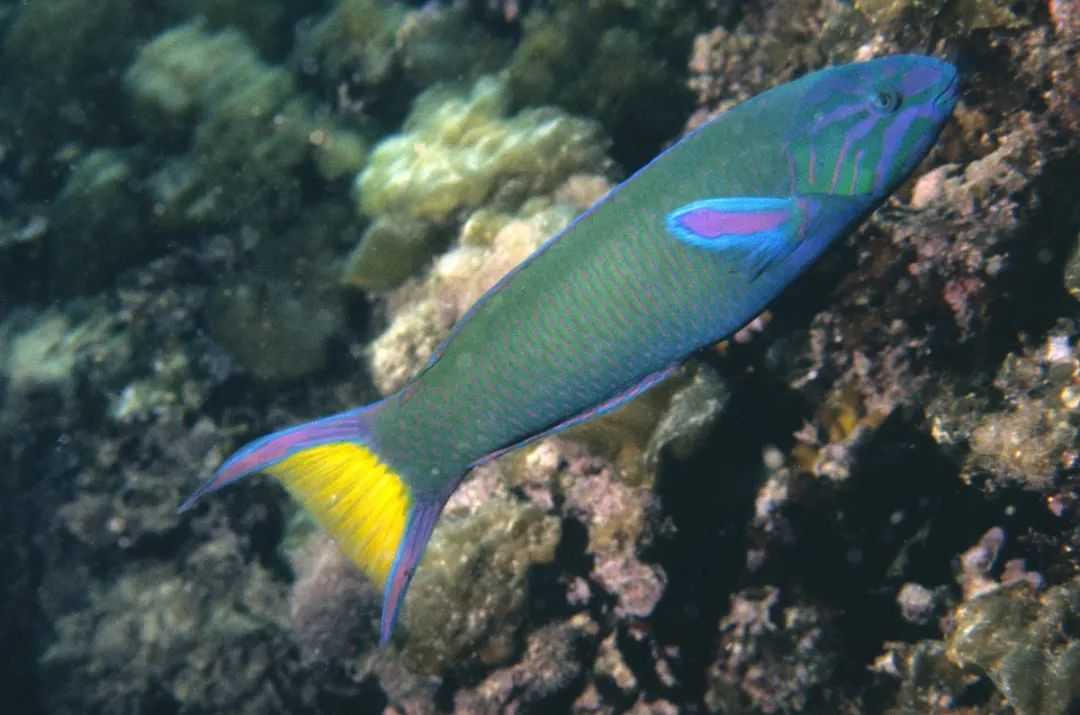
Gerres longirostris: The Long-Snouted Mojarra of Tropical Shores
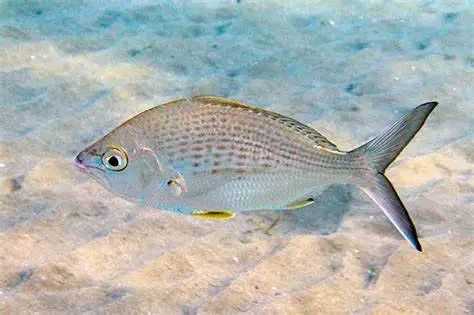
Gerres longirostris, commonly known as the long-snouted mojarra or longnose jewelfish, is a distinctive species within the Gerreidae family, belonging to the order Perciformes. Inhabiting the warm, shallow waters of the Indo-Pacific region, this fish is characterized by its elongated snout and streamlined body, making it a unique and ecologically significant inhabitant of coastal and estuarine ecosystems.
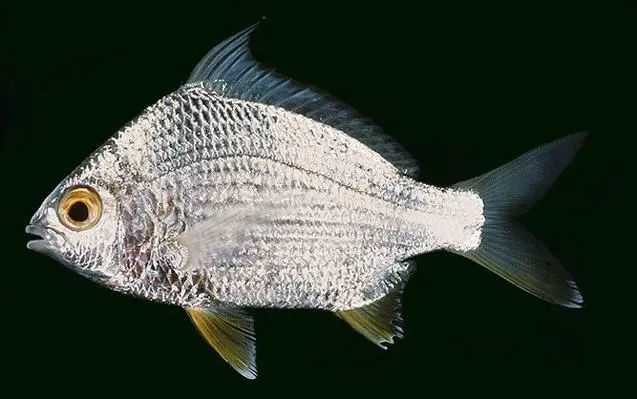
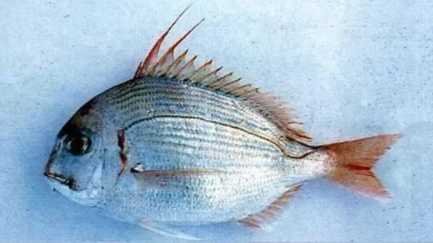
Parargyrops microstoma: The Small-Mouthed Mojarra of Shallow Seas
Parargyrops microstoma, a lesser-known yet ecologically significant species within the Gerreidae family, inhabits the warm coastal waters of the Indo-Pacific region. Named for its diminutive mouth, this fish is characterized by a sleek, laterally compressed body with a silvery-white hue, making it a subtle but vital component of shallow marine and estuarine ecosystems.