Lutjanus stellatus: The Star-Spotted Snapper of Coral Reefs


Marine Biology
Lutjanus stellatus: The Star-Spotted Snapper of Coral Reefs

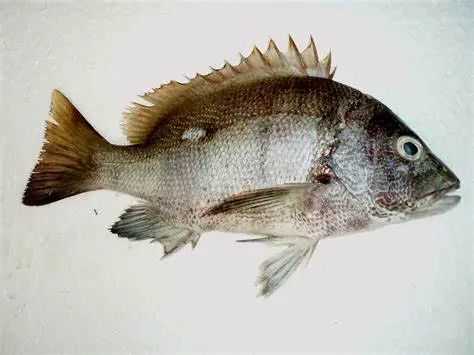
Lutjanus stellatus, known as the white star snapper in Taiwan and by regional nicknames in Hong Kong, is a captivating species of marine fish belonging to the Lutjanidae family. Renowned for its distinctive markings and ecological significance, this snapper is characterized by a robust, oval-shaped body adorned with small, pale spots against a reddish-brown to golden-yellow backdrop, giving rise to common names inspired by its appearance. It inhabits the warm, clear waters of the Indo-Pacific region, where it thrives as both a predator and a prized catch for local fisheries.


Growing up to 60 centimeters in length, the star-spotted snapper features a laterally compressed body with a slightly concave forehead and large, expressive eyes. Its most notable trait is the array of small white or pale yellow spots scattered across its dorsal and lateral surfaces, which contrast sharply with its darker base color—a pattern that becomes more pronounced in juveniles and serves as effective camouflage among coral reefs and rocky outcrops. The fins often exhibit a warm yellowish hue, particularly the pectoral and caudal fins, inspiring regional nicknames.


Primarily a reef-associated species, Lutjanus stellatus dwells in shallow coastal waters, lagoons, and coral reefs at depths of 10–100 meters, though it may venture into deeper areas as it matures. It is a diurnal feeder, actively hunting the reef during the day for small fish, crustaceans, and mollusks, using its sharp teeth to capture prey. Juveniles often seek shelter in seagrass beds or among branching corals, while adults establish territories in more open reef structures. Spawning occurs in large aggregations near offshore reefs, with females releasing buoyant eggs that drift with currents until hatching.


Highly valued for its tender, white flesh, the star-spotted snapper is a staple in seafood markets across its range, particularly in Southeast Asia and China. However, its popularity has led to increased fishing pressure, threatening local populations. Habitat degradation from coral bleaching, pollution, and destructive fishing methods further exacerbate its vulnerability. While not currently listed as endangered, conservation efforts such as marine protected areas and sustainable fishing quotas are crucial to maintaining healthy stocks. As a keystone species in reef ecosystems, Lutjanus stellatus plays a vital role in regulating prey populations and supporting the biodiversity of tropical marine environments, underscoring the need for proactive stewardship to ensure its survival.
Latest Stories
Beauty News2 minute readBerlin-based amateur model Lena Schmidt, 26, takes the spotlight in Issue 174, with a series of posed yet natural photos capturing her in everyday Berlin settings. Shot by photographer Kai Berger, the collection balances intentionality and ease—Schmidt poses in her apartment’s sunlit kitchen, outside a historic bookstore, and along a tree-lined canal, each stance styled but never stiff.
Feline News2 minute readThe Highlander Shorthair, a newly developed cat breed in the United States, combines genetics from the American Curl, Egyptian Mau, Bengal, and other breeds, forming a distinctive appearance and temperament. Originating in 2004, it was initially named the "Highland Lynx" before being officially renamed "Highlander" in 2005. The breed earned registration with The International Cat Association (TICA) in 2008, solidifying its status as an official pedigreed cat.
Feline News2 minute readOriginating in Scotland in the 1960s, the Scottish Straight is the upright-eared counterpart to the Scottish Fold. In 1961, a white barn cat named Susie with folded ears was discovered, and some of her offspring displayed straight ears due to genetic mutation, marking the beginning of this breed’s development. Today, Scottish Straights are celebrated worldwide for their round features, gentle demeanor, and robust genetics.
Car Information1 minute readUnlike the N54’s reputation as a "modding marvel" or the B48’s "family-friendly refinement," the N20 stands as a mid-tier powerplant with clear architecture, moderate performance, and controllable potential. Its design balances daily drivability with upgrade flexibility, making it equally suited for Stage 1 bolt-ons that enhance daily driving pleasure or Stage 2–3 builds for entry-level track use.
Feline News2 minute readThe Savannah cat, a captivating hybrid of the African serval and domestic cat, has captivated pet enthusiasts worldwide with its striking appearance and dynamic personality. Originating in the U.S. in 1986, this breed was officially recognized by The International Cat Association (TICA) in 2001, solidifying its place in feline history.
Car Information1 minute readAs a fusion of long-wheelbase practicality and hatchback versatility, the F34 3 Series GT balances interior space with coupe-like styling. Sharing powertrain configurations with the F30/F35 sedan, the 320i GT and 328i GT cater to buyers seeking a blend of performance and utility, with select models offering xDrive all-wheel drive.
Industry News1 minute readIntel CEO Lip-Bu Tan publicly acknowledged in a recent internal meeting that the company has fallen out of the global top 10 semiconductor firms due to years of strategic missteps, revealing a staggering $16.6 billion loss in Q3 2024 . This marks the worst quarterly performance in Intel’s 57-year history, driven by $15.9 billion in accelerated depreciation costs tied to underperforming Intel 7 manufacturing assets and Mobileye’s goodwill impairment . To reverse its fortunes, the board approved a new strategy centered on edge AI and agent AI, coupled with global layoffs and business restructuri