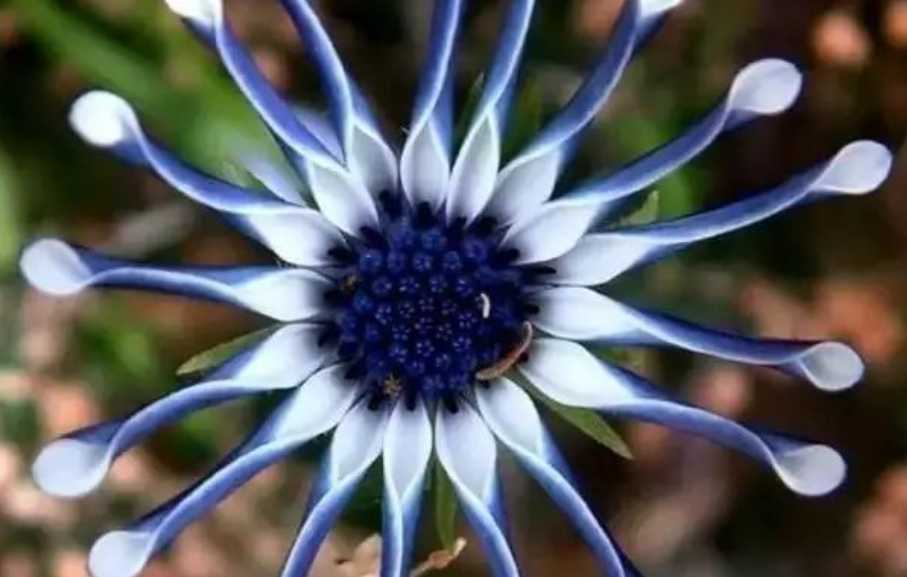
In the world of horticulture, the Blue - Eyed Daisy, scientifically known as Osteospermum, has emerged as a captivating and popular flower. Native to Africa, this member of the Asteraceae family has won the hearts of gardeners and nature enthusiasts around the globe with its unique appearance and adaptability.
Blue - Eyed Daisies are characterized by their daisy - like blooms, which feature a central disk that often sports a striking blue or purple color, resembling a mesmerizing "blue eye" - a feature that gives the plant its common name. The surrounding ray florets come in an array of colors, including white, pink, purple, yellow, and orange. These petals can be flat or have a more spoon - shaped, ruffled appearance, adding to the flower's charm. The flower heads, typically 5 to 8 centimeters in diameter, are borne on sturdy stems above a mound of green, lance - shaped leaves. Some varieties of Blue - Eyed Daisies also have variegated foliage, further enhancing their visual appeal.
The genus Osteospermum encompasses around 50 species, with the majority hailing from southern Africa and parts of Arabia. In their natural habitats, they thrive in a variety of environments, from sunny grasslands to coastal areas. This adaptability has translated well into cultivation, as Blue - Eyed Daisies are now widely grown in gardens, parks, and containers in temperate and subtropical regions worldwide. They are often used to create colorful borders, brighten up flower beds, or serve as focal points in container arrangements.
One of the appealing aspects of Blue - Eyed Daisies is their relatively easy care requirements. They prefer full sun, although they can tolerate some light shade. Well - drained soil is essential, as they are sensitive to waterlogged conditions. These plants are also quite drought - tolerant once established, making them suitable for xeriscaping or gardens in areas with limited water availability. Fertilizing sparingly with a balanced, slow - release fertilizer during the growing season can help promote healthy growth and abundant flowering.
Blue - Eyed Daisies are generally considered to be annuals or tender perennials. In colder climates, they are often treated as annuals, planted in the spring after the last frost and providing a burst of color throughout the summer and into the fall. In warmer regions, some varieties may overwinter and continue to bloom year after year. They have a long blooming period, with many plants producing flowers from spring until the first frost, offering a continuous display of color.
Propagation of Blue - Eyed Daisies can be achieved through both seeds and cuttings. Seeds can be sown directly in the garden in the spring or started indoors a few weeks before the last expected frost. Cuttings, taken from healthy, established plants, can be rooted in a well - draining potting mix and provide a faster way to propagate desirable varieties. With proper care, these cuttings will quickly develop roots and grow into new, vibrant plants.
In addition to their ornamental value, Blue - Eyed Daisies also play a role in the ecosystem. Their nectar - rich flowers attract a variety of pollinators, including bees, butterflies, and hoverflies, contributing to the biodiversity of the garden. This makes them not only a beautiful addition to any outdoor space but also a beneficial one for the local environment.
Whether you're a seasoned gardener looking to add a splash of color to your landscape or a beginner just starting out, the Blue - Eyed Daisy is a wonderful choice. Its unique appearance, easy care, and long - lasting blooms make it a standout flower that is sure to bring joy and beauty to any garden setting.