Saiga Antelopes Face Extinction as Male Poaching Disrupts Herd Gender Balance


Animal Information
Saiga Antelopes Face Extinction as Male Poaching Disrupts Herd Gender Balance

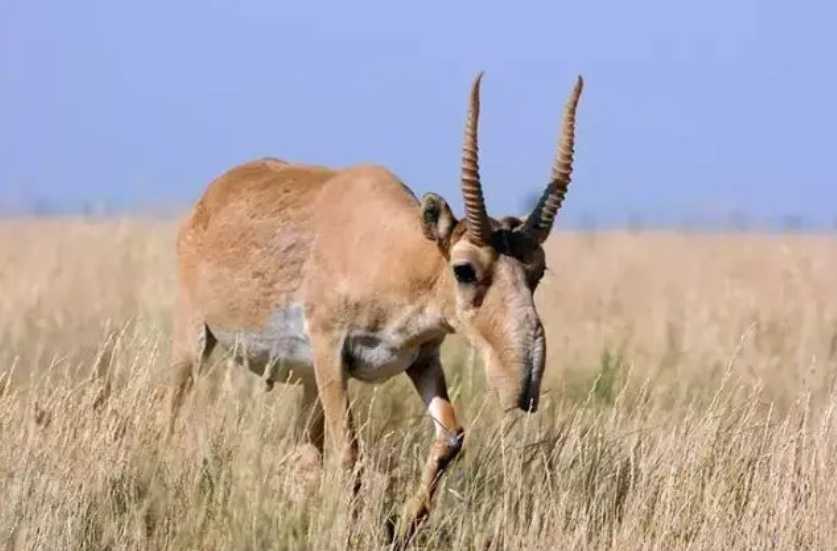
Native to the grasslands of Eurasia, the saiga antelope (Saiga tatarica) teeters on the brink of extinction, its population devastated by a critical gender imbalance—driven by decades of rampant poaching of adult males. Once numbering in the millions, these iconic ungulates now struggle to reproduce as male herds are decimated, leaving female-dominated populations unable to sustain genetic diversity.

The Lethal Demand for Male Horns
Male saigas are targeted for their curved, ribbed horns, mistakenly believed in some traditional medicines to possess curative properties. Poachers often leave female and juvenile antelopes unharmed, creating herds where females outnumber males by up to 10:1. This skewed ratio disrupts natural mating patterns, reducing fertility and exposing the species to inbreeding depression. In Kazakhstan’s Ural-Tobol region, surveys show male saigas now comprise less than 5% of adult populations, a stark contrast to the historical 30–40% ratio.


Collapsing Populations and Conservation Desperation
From 1990 to 2015, the global saiga population plummeted from 1.2 million to just 50,000, with poaching accounting for 90% of deaths. Climate change and disease outbreaks have compounded the crisis, but gender imbalance remains the gravest threat. Conservation groups like the Saiga Conservation Alliance are racing to implement anti-poaching patrols, community education programs, and captive breeding initiatives. The species is now listed as Critically Endangered by the IUCN, with international efforts under way to ban horn trade via CITES regulations.


As scientists warn that saigas could vanish within a decade, their plight highlights the domino effect of human exploitation: by targeting males for superficial gains, we risk erasing an evolutionary marvel that has roamed Eurasian steppes for millions of years. The race to restore gender balance in saiga herds is not just a fight for one species—but a test of humanity’s ability to reverse the consequences of its own destructive habits.
Latest Stories
Feline News2 minute readThe Kurilian Bobtail Longhair, a captivating breed hailing from Russia’s Sakhalin Island and the Kuril Archipelago, has emerged as a fascinating subject in the international feline community. With its distinctive bobbed tail and striking appearance, this natural breed is garnering recognition for its unique history, robust health, and affectionate demeanor.
Life News2 minute readOn the streets and alleys of Italy, gelato is more than just a refreshing dessert; it is a vivid embodiment of the country's culinary philosophy. Compared to the common American ice cream, this Italian classic has become an irreplaceable culinary symbol in the hearts of food lovers worldwide, thanks to its unique craftsmanship and texture.
Feline News2 minute readIn 1982, a bald kitten with an unusual genetic mutation emerged in a barn on an Oregon cherry farm, marking the accidental birth of one of the world’s most distinctive feline breeds—the LaPerm. This curly-coated wonder, named for its "wavy" or "rippled" fur, has since captivated cat lovers globally with its unique appearance and playful personality .
Feline News1 minute readThe Brazilian Shorthair, a distinctive feline breed native to Brazil, has captivated cat enthusiasts with its charming personality and adaptable nature. Originating from the country's street cats, the breed was formally recognized in the 1980s after decades of selective breeding to preserve its unique traits.
Feline News1 minute readIn recent days, a cat named Marguerite has quietly risen to fame in a suburban community. The 3-year-old orange-and-white feline, once a street stray, has now become a "heartwarming bond" connecting neighbors.
Feline News2 minute readOriginating from the city of Rostov-on-Don in Russia, the Donskoy cat, also known as the Don Sphynx, has captivated feline enthusiasts worldwide with its unique appearance and affectionate demeanor. First discovered in 1987 when Professor Elena Kovaleva rescued a hairless kitten named Varvara, the breed emerged from a natural genetic mutation that resulted in a lack of fur. Varvara’s subsequent litters produced both haired and hairless kittens, leading breeder Irina Nemykina to develop the Donskoy through selective breeding with European Shorthairs. Recognized by The International Cat Associat
Feline News2 minute readThe Nebelung, a captivating feline often mistaken for the Russian Blue, is a rare breed celebrated for its striking appearance and gentle demeanor. Originating in the U.S. during the 1980s, this breed emerged from intentional crossbreeding to replicate the elegance of Victorian-era long-haired blue cats. Named after the German word "nebel" (meaning "mist"), the Nebelung’s silvery-tipped blue-gray coat evokes a misty aura, while its green or yellow-green eyes add to its enigmatic charm.