Mesmerizing Clock Vine: A Botanical Wonder with Unique Appeal


Plant Information
Mesmerizing Clock Vine: A Botanical Wonder with Unique Appeal

The Clock Vine, scientifically named Thunbergia mysorensis, is a captivating plant that has enchanted gardeners and nature enthusiasts alike. Native to the southern forests of India, particularly around the city of Mysore in Karnataka state, this vine has found its way into gardens across the world for its stunning appearance and interesting growth habits.

 
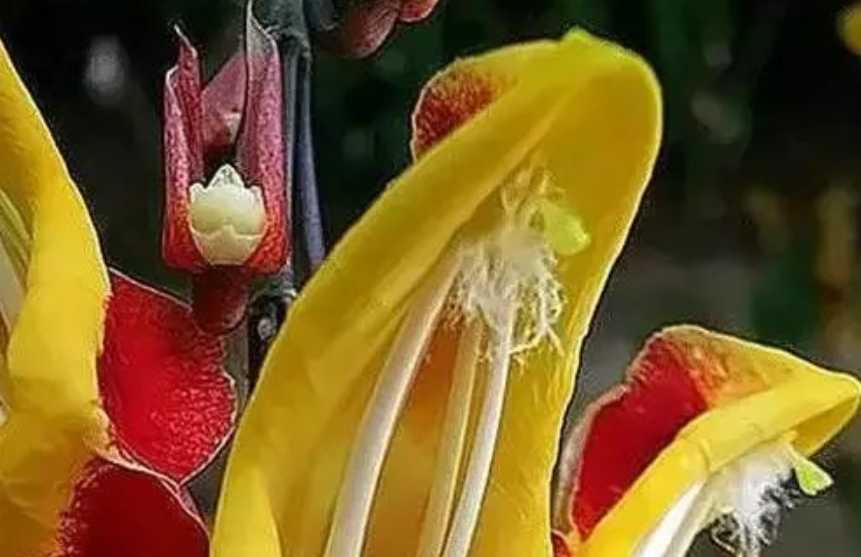
This evergreen vine can grow impressively long, reaching up to about 6 meters (20 feet) if left unpruned. One of its most remarkable features is the long, pendulous flower clusters that can be as long as 1 meter (3 feet). The flowers are a vivid combination of colors, with a bright yellow hue and reddish - maroon tips. The calyx, a deep reddish - maroon, adds to the flower's allure. As they bloom, the flowers hang down in a regular, almost clock - like pattern around the vine, which is how it got its charming common name. When in full bloom, the flower clusters sway gently in the wind, creating a spectacular and dynamic display.

Clock Vines are not only a treat for the eyes but also play an important role in the ecosystem. Their sweet nectar attracts a variety of pollinators, including butterflies and hummingbirds. These tiny visitors flit from flower to flower, helping with the crucial process of pollination. In gardens, they can be trained to grow over pergolas, trellises, arches, or verandas. When grown in such a way that the flowers can hang down through slats, they form beautiful, natural pendants of bright, colorful blooms.

In terms of cultivation, Clock Vines prefer warm, tropical climates. In the United States, they thrive in USDA hardiness zones 10 and 11, making them a popular choice for outdoor gardens in southern Florida and Hawaii. While they can tolerate some cooler temperatures for short periods, in colder regions, growing them indoors in a container is a viable option. They require average, well - drained soil and regular watering, as their prolific growth and blooming mean they need a consistent water supply. They also do well in spots that receive full sun to partial shade, and higher humidity is ideal. If growing indoors, using a humidity tray or regularly misting the plant can help create a more suitable environment. Propagation of the Clock Vine can be achieved through either seeds or stem cuttings. Taking 4 - inch (10 - cm) long stem cuttings in spring or early summer, applying a rooting hormone, and placing them in soil mixed with compost can lead to successful new plants.
Latest Stories
Feline News2 minute readThe Kurilian Bobtail Longhair, a captivating breed hailing from Russia’s Sakhalin Island and the Kuril Archipelago, has emerged as a fascinating subject in the international feline community. With its distinctive bobbed tail and striking appearance, this natural breed is garnering recognition for its unique history, robust health, and affectionate demeanor.
Life News2 minute readOn the streets and alleys of Italy, gelato is more than just a refreshing dessert; it is a vivid embodiment of the country's culinary philosophy. Compared to the common American ice cream, this Italian classic has become an irreplaceable culinary symbol in the hearts of food lovers worldwide, thanks to its unique craftsmanship and texture.
Feline News2 minute readIn 1982, a bald kitten with an unusual genetic mutation emerged in a barn on an Oregon cherry farm, marking the accidental birth of one of the world’s most distinctive feline breeds—the LaPerm. This curly-coated wonder, named for its "wavy" or "rippled" fur, has since captivated cat lovers globally with its unique appearance and playful personality .
Feline News1 minute readThe Brazilian Shorthair, a distinctive feline breed native to Brazil, has captivated cat enthusiasts with its charming personality and adaptable nature. Originating from the country's street cats, the breed was formally recognized in the 1980s after decades of selective breeding to preserve its unique traits.
Feline News1 minute readIn recent days, a cat named Marguerite has quietly risen to fame in a suburban community. The 3-year-old orange-and-white feline, once a street stray, has now become a "heartwarming bond" connecting neighbors.
Feline News2 minute readOriginating from the city of Rostov-on-Don in Russia, the Donskoy cat, also known as the Don Sphynx, has captivated feline enthusiasts worldwide with its unique appearance and affectionate demeanor. First discovered in 1987 when Professor Elena Kovaleva rescued a hairless kitten named Varvara, the breed emerged from a natural genetic mutation that resulted in a lack of fur. Varvara’s subsequent litters produced both haired and hairless kittens, leading breeder Irina Nemykina to develop the Donskoy through selective breeding with European Shorthairs. Recognized by The International Cat Associat
Feline News2 minute readThe Nebelung, a captivating feline often mistaken for the Russian Blue, is a rare breed celebrated for its striking appearance and gentle demeanor. Originating in the U.S. during the 1980s, this breed emerged from intentional crossbreeding to replicate the elegance of Victorian-era long-haired blue cats. Named after the German word "nebel" (meaning "mist"), the Nebelung’s silvery-tipped blue-gray coat evokes a misty aura, while its green or yellow-green eyes add to its enigmatic charm.