Honduran Palm Pit Viper Faces Extinction as Prey Collapses


Animal Information
Honduran Palm Pit Viper Faces Extinction as Prey Collapses

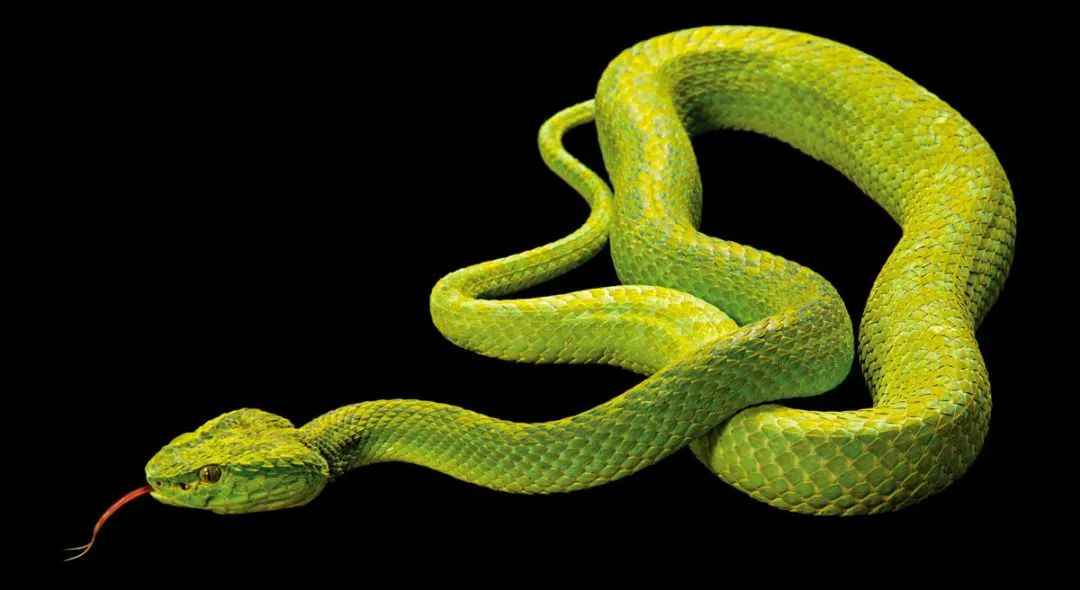
In the lush, mist-shrouded forests of Honduras, a silent crisis is unfolding for one of the region’s most unique reptiles: the Honduran palm pit viper (Bothriechis marchi). Classified as endangered, this elusive serpent, known for its striking coloration and arboreal habits, is teetering on the brink of disappearance, its fate tightly intertwined with the catastrophic decline of its primary prey—amphibians.


Scientists warn that the viper’s survival is increasingly imperiled by a cascading ecological collapse. Amphibians, which form the cornerstone of the pit viper’s diet, have seen their populations plummet in recent decades, leaving the snakes with little to eat. This dietary crisis stems from a dual threat facing amphibians: rampant disease and widespread habitat loss.


Chytridiomycosis, a deadly fungal infection, has decimated frog and salamander populations across Central America, attacking their skin and disrupting vital physiological functions. Compounding this, deforestation, agricultural expansion, and urbanization have fragmented and destroyed the moist, forested habitats that both amphibians and the palm pit vipers depend on. As streams dry up and forests are cleared, the delicate balance of the ecosystem is shattered.


The Honduran palm pit viper, a specialized predator, has few alternatives when its amphibian prey vanishes. Unlike more adaptable species, it relies heavily on these small creatures for sustenance, especially during critical life stages such as reproduction. With food scarce, breeding rates have dropped, and juvenile survival rates have plummeted, pushing the species closer to extinction.


Conservationists stress that the viper’s decline is a stark reminder of how interconnected species are in fragile ecosystems. Saving Bothriechis marchi will require not only protecting its remaining habitats but also addressing the root causes of amphibian decline—from curbing deforestation to combating wildlife diseases. Without urgent action, this unique Honduran reptile, along with the complex web of life it supports, may soon vanish forever.
Latest Stories
Feline News2 minute readThe Kurilian Bobtail Longhair, a captivating breed hailing from Russia’s Sakhalin Island and the Kuril Archipelago, has emerged as a fascinating subject in the international feline community. With its distinctive bobbed tail and striking appearance, this natural breed is garnering recognition for its unique history, robust health, and affectionate demeanor.
Life News2 minute readOn the streets and alleys of Italy, gelato is more than just a refreshing dessert; it is a vivid embodiment of the country's culinary philosophy. Compared to the common American ice cream, this Italian classic has become an irreplaceable culinary symbol in the hearts of food lovers worldwide, thanks to its unique craftsmanship and texture.
Feline News2 minute readIn 1982, a bald kitten with an unusual genetic mutation emerged in a barn on an Oregon cherry farm, marking the accidental birth of one of the world’s most distinctive feline breeds—the LaPerm. This curly-coated wonder, named for its "wavy" or "rippled" fur, has since captivated cat lovers globally with its unique appearance and playful personality .
Feline News1 minute readThe Brazilian Shorthair, a distinctive feline breed native to Brazil, has captivated cat enthusiasts with its charming personality and adaptable nature. Originating from the country's street cats, the breed was formally recognized in the 1980s after decades of selective breeding to preserve its unique traits.
Feline News1 minute readIn recent days, a cat named Marguerite has quietly risen to fame in a suburban community. The 3-year-old orange-and-white feline, once a street stray, has now become a "heartwarming bond" connecting neighbors.
Feline News2 minute readOriginating from the city of Rostov-on-Don in Russia, the Donskoy cat, also known as the Don Sphynx, has captivated feline enthusiasts worldwide with its unique appearance and affectionate demeanor. First discovered in 1987 when Professor Elena Kovaleva rescued a hairless kitten named Varvara, the breed emerged from a natural genetic mutation that resulted in a lack of fur. Varvara’s subsequent litters produced both haired and hairless kittens, leading breeder Irina Nemykina to develop the Donskoy through selective breeding with European Shorthairs. Recognized by The International Cat Associat
Feline News2 minute readThe Nebelung, a captivating feline often mistaken for the Russian Blue, is a rare breed celebrated for its striking appearance and gentle demeanor. Originating in the U.S. during the 1980s, this breed emerged from intentional crossbreeding to replicate the elegance of Victorian-era long-haired blue cats. Named after the German word "nebel" (meaning "mist"), the Nebelung’s silvery-tipped blue-gray coat evokes a misty aura, while its green or yellow-green eyes add to its enigmatic charm.