Unique Feline with Curled Ears Wins Global Hearts, Celebrated for Health and Playful Spirit


Feline News
Unique Feline with Curled Ears Wins Global Hearts, Celebrated for Health and Playful Spirit

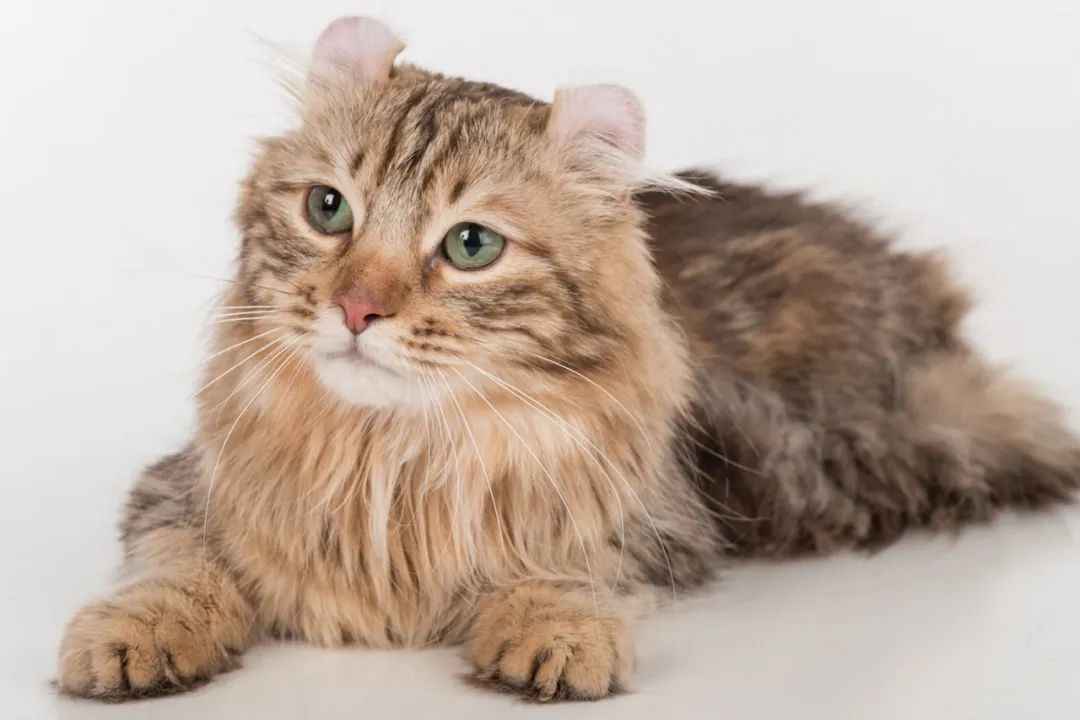
The American Curl Longhair, a breed born from a serendipitous genetic mutation, has captivated cat lovers worldwide with its distinctive appearance and affectionate demeanor. Originating in California in 1981, the breed traces its roots to a stray kitten named Shulamith, whose ears curled backward due to a natural genetic anomaly. This trait, initially observed in long-haired cats, was later propagated into short-haired variants, establishing the breed’s dual coat legacy.

Aesthetic Marvels: The Signature Curled Ears

The defining feature of the American Curl Longhair is its elegantly curved ears, which develop gradually over the first week of life. The cartilage structure is robust, and the ears can curl into three distinct forms: slight, partial, or the coveted "full moon" shape, which is prized in competitions. Complementing this unique trait is a luxurious, silky coat that comes in a spectrum of colors and patterns, including solid, tabby, tortoiseshell, and calico. Breeders emphasize that the coat’s texture and length—ranging from medium to long—require moderate grooming to maintain its luster.

Temperament: The Perfect Family Companion

Known for their intelligence and curiosity, American Curl Longhairs thrive in interactive environments. They are often described as "urban explorers" due to their playful nature and love for climbing. Unlike more aloof breeds, they form deep bonds with their human families and coexist harmoniously with other pets. Their quiet vocalizations and intuitive understanding of human emotions make them exceptional companions for households of all sizes.

Health and Care: A Robust Breed with Specific Needs

While the American Curl Longhair is generally healthy, their ear structure makes them prone to wax buildup and infections. Regular cleaning with veterinarian-recommended solutions is essential to prevent bacterial growth. Additionally, dental care and weight management are critical, as obesity can exacerbate joint stress. Unlike the Scottish Fold, which faces genetic cartilage issues, the American Curl’s ear mutation does not compromise skeletal health, ensuring a lifespan of 12–16 years with proper care.

Recognition and Legacy

The breed’s journey to prominence began in 1986 when the Cat Fanciers’ Association (CFA) officially recognized it. In 1993, the International Cat Association (TICA) made history by granting championship status to both longhair and shorthair varieties, a rare distinction at the time. Today, American Curl Longhairs continue to shine in competitions, with notable achievements including TICA’s Supreme Grand Champion titles and regional awards for their striking appearance and temperament.


As a symbol of genetic innovation and feline grace, the American Curl Longhair remains a testament to the beauty of natural mutations. Whether lounging at home or dazzling in the show ring, this breed embodies the perfect blend of elegance, health, and companionship.
Latest Stories
Feline News2 minute readThe Kurilian Bobtail Longhair, a captivating breed hailing from Russia’s Sakhalin Island and the Kuril Archipelago, has emerged as a fascinating subject in the international feline community. With its distinctive bobbed tail and striking appearance, this natural breed is garnering recognition for its unique history, robust health, and affectionate demeanor.
Life News2 minute readOn the streets and alleys of Italy, gelato is more than just a refreshing dessert; it is a vivid embodiment of the country's culinary philosophy. Compared to the common American ice cream, this Italian classic has become an irreplaceable culinary symbol in the hearts of food lovers worldwide, thanks to its unique craftsmanship and texture.
Feline News2 minute readIn 1982, a bald kitten with an unusual genetic mutation emerged in a barn on an Oregon cherry farm, marking the accidental birth of one of the world’s most distinctive feline breeds—the LaPerm. This curly-coated wonder, named for its "wavy" or "rippled" fur, has since captivated cat lovers globally with its unique appearance and playful personality .
Feline News1 minute readThe Brazilian Shorthair, a distinctive feline breed native to Brazil, has captivated cat enthusiasts with its charming personality and adaptable nature. Originating from the country's street cats, the breed was formally recognized in the 1980s after decades of selective breeding to preserve its unique traits.
Feline News1 minute readIn recent days, a cat named Marguerite has quietly risen to fame in a suburban community. The 3-year-old orange-and-white feline, once a street stray, has now become a "heartwarming bond" connecting neighbors.
Feline News2 minute readOriginating from the city of Rostov-on-Don in Russia, the Donskoy cat, also known as the Don Sphynx, has captivated feline enthusiasts worldwide with its unique appearance and affectionate demeanor. First discovered in 1987 when Professor Elena Kovaleva rescued a hairless kitten named Varvara, the breed emerged from a natural genetic mutation that resulted in a lack of fur. Varvara’s subsequent litters produced both haired and hairless kittens, leading breeder Irina Nemykina to develop the Donskoy through selective breeding with European Shorthairs. Recognized by The International Cat Associat
Feline News2 minute readThe Nebelung, a captivating feline often mistaken for the Russian Blue, is a rare breed celebrated for its striking appearance and gentle demeanor. Originating in the U.S. during the 1980s, this breed emerged from intentional crossbreeding to replicate the elegance of Victorian-era long-haired blue cats. Named after the German word "nebel" (meaning "mist"), the Nebelung’s silvery-tipped blue-gray coat evokes a misty aura, while its green or yellow-green eyes add to its enigmatic charm.