
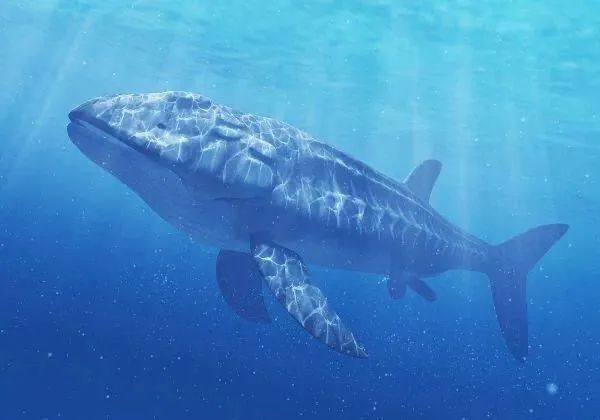
Leedsichthys: The Gentle Giant of the Prehistoric Seas
Swimming through the oceans over 160 million years ago during the Jurassic period, Leedsichthys was a colossal bony fish that dominated its aquatic realm. Stretching over 17 meters in length, this prehistoric behemoth dwarfed most marine creatures of its time, yet its survival relied not on aggression but on unique adaptations that made it a passive giant of the deep.
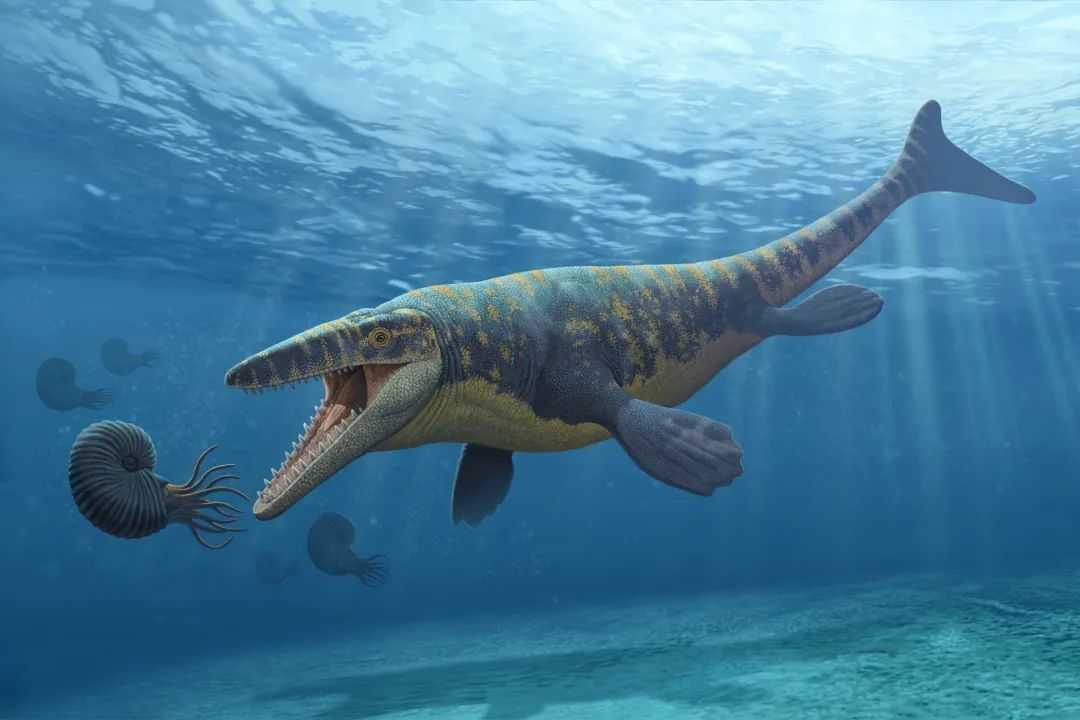
Mosasaurus: The Reptilian Tyrant That Conquered Cretaceous Seas
Dominating the oceans during the late Cretaceous period, Mosasaurus stood as a fearsome marine reptile, measuring over 17 meters in length and reigning as the undisputed apex predator of its time. Unlike modern marine creatures, this colossal beast traced its evolutionary roots to small, land-dwelling lizards, a transformation that culminated in one of the most successful oceanic conquests in prehistory.
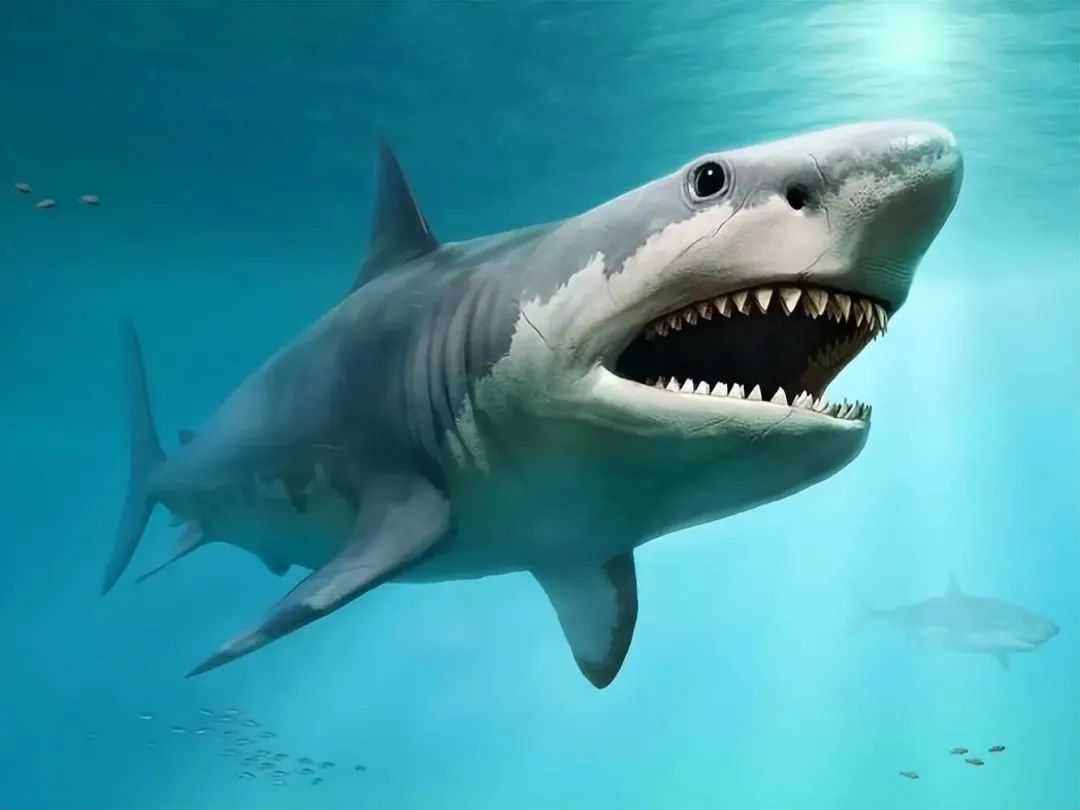
Megalodon: The Unmatched Apex Predator of Prehistoric Seas
Stretching over 18 meters in length, Megalodon (Carcharocles megalodon) ruled the oceans alongside Livyatan melvillei approximately 23 to 3.6 million years ago. Renowned as the creature with the most powerful bite force ever recorded—exceeding 30 tons—this colossal shark dwarfed even its massive whale counterpart in size and weight, solidifying its status as the ultimate marine predator of its era.
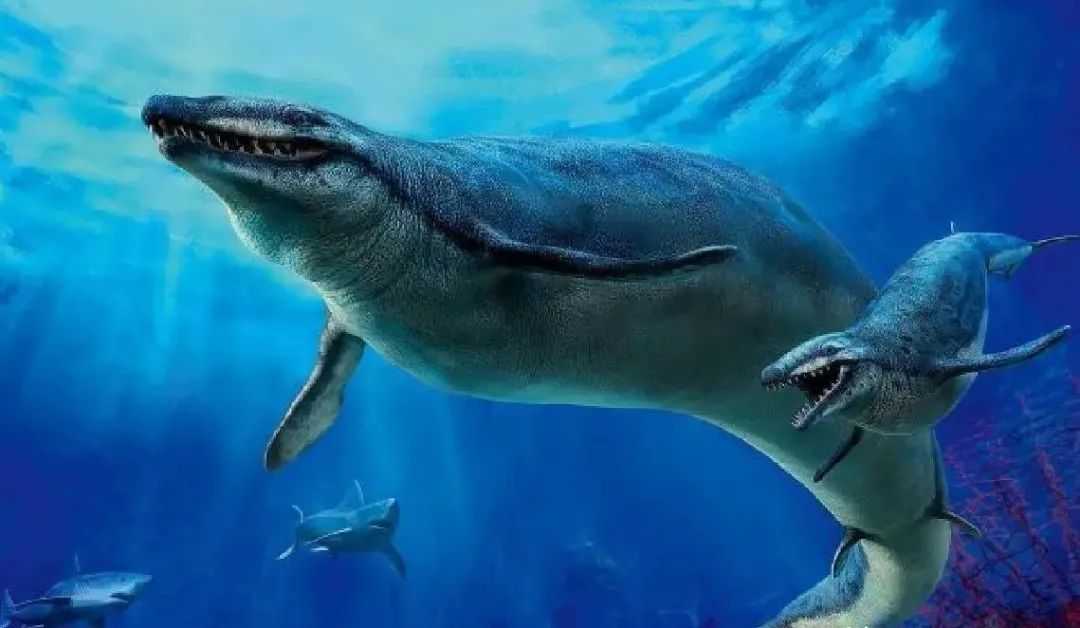
Basilosaurus: The Prehistoric Whale That Dominated Ancient Seas
Stretching over 20 meters in length, Basilosaurus stands as a legendary ancestor of modern whales and the undisputed ruler of oceans 30 million years ago during the Eocene epoch. Often referred to as the "king of whales," this colossal marine reptile-turned-mammal combined an imposing physique with unique hunting strategies, making it a formidable force in its prehistoric ecosystem.
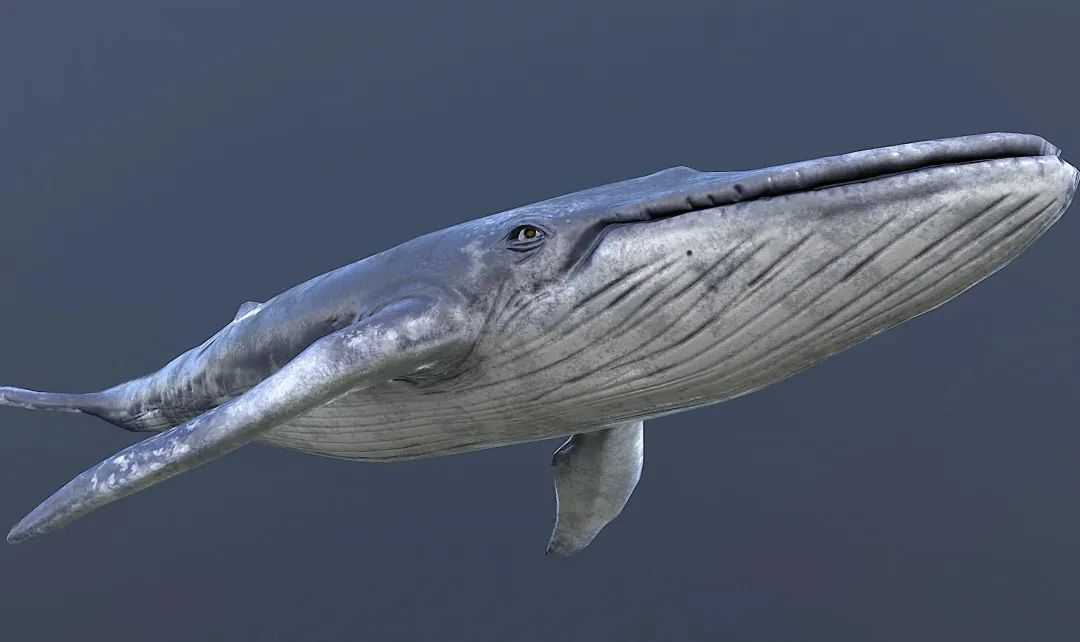
Blue Whales: The Gentle Titans of the Ocean
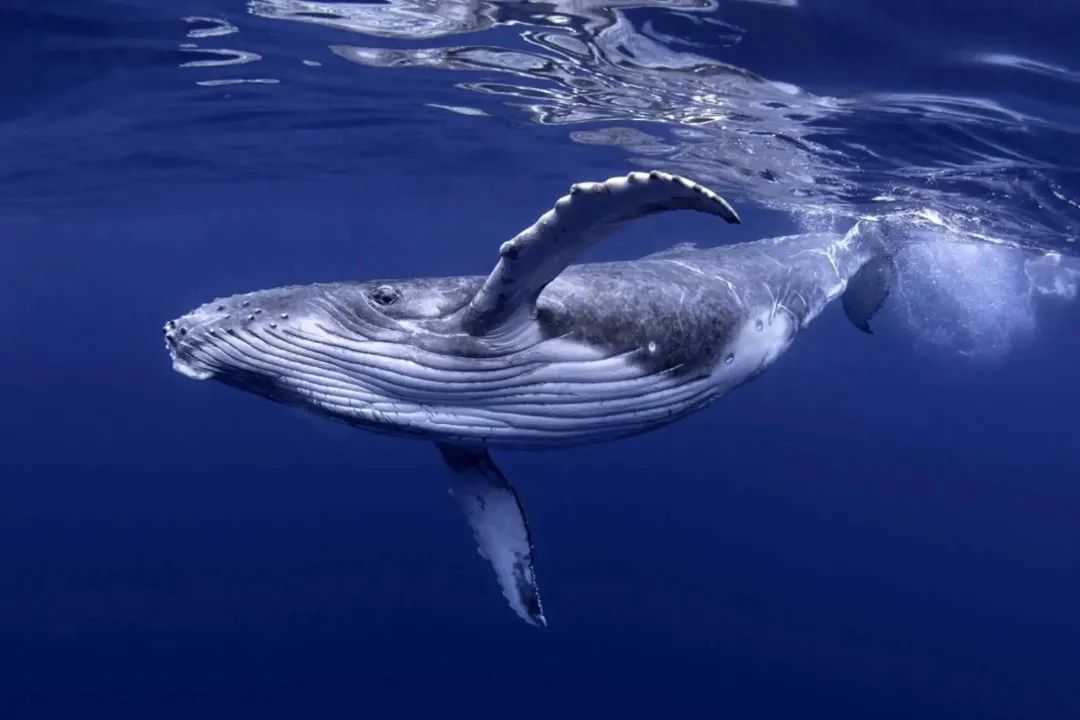
Regarded by many as Earth’s largest ever living creatures, blue whales (Balaenoptera musculus) awe with their sheer size. Adult individuals typically measure around 27 meters in length, with the largest recorded specimen exceeding 34 meters—roughly the length of five buses lined up side by side. Their tongues alone can weigh a staggering 2,000 kilograms, while newborn calves enter the world at 7 meters long and grow to 20 meters by age three, a growth spurt unmatched in the animal kingdom.
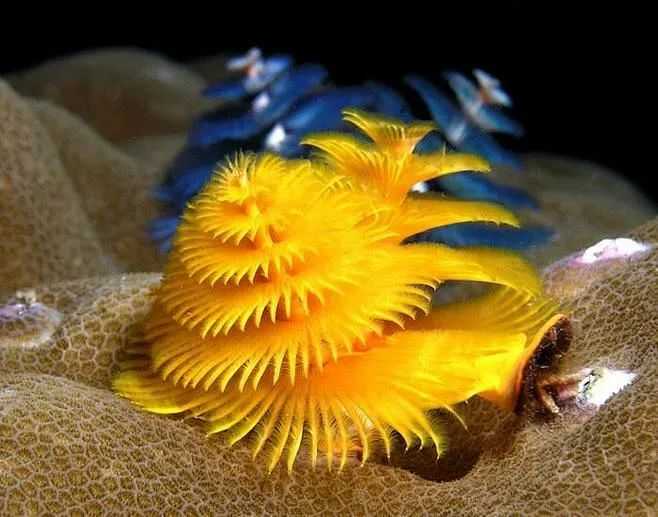
The Festive Wonders of the Reef: Christmas Tree Worms
Contrary to their name, Christmas tree worms (Spirobranchus) are not corals but fascinating marine annelids that form symbiotic relationships with hard corals. These tube-dwelling polychaete worms, belonging to the phylum Annelida, are widely distributed in tropical oceans, where their vibrant, spiral-shaped structures add a touch of whimsy to coral reefs. Their common name stems from their striking resemblance to miniature, underwater Christmas trees.
The Alluring Trachyphyllia Geoffroyi: Nature's Underwater Artwork
Trachyphyllia geoffroyi, commonly known as the open brain coral or more distinctively, the eight - shaped brain coral, is a captivating species within the Merulinidae family of the class Anthozoa. Predominantly found in the shallow tropical seas of regions like Indonesia, in sandy areas or near reefs, this coral has earned its unique name due to the striking resemblance of its skeleton to the number "8".
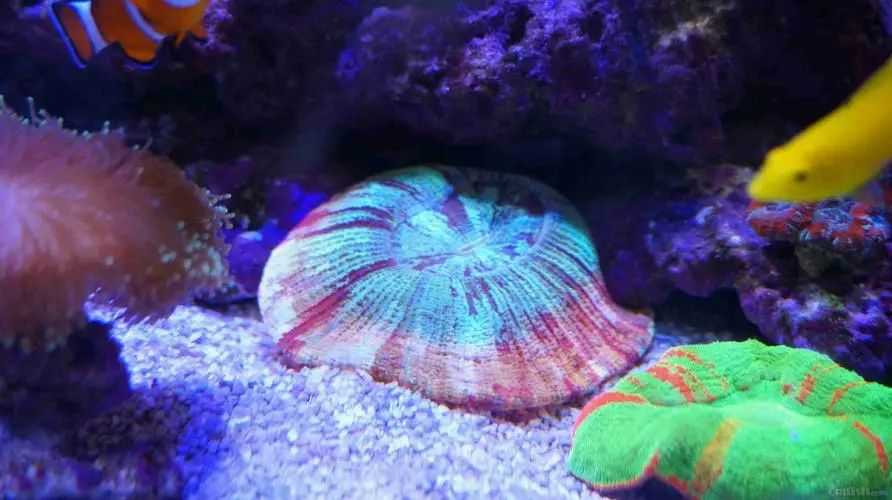
Trachyphyllia Geoffroyi: The Enigmatic "Eight-Shaped" Brain Coral of Tropical Reefs
Trachyphyllia geoffroyi, commonly known as the open brain coral or "eight-shaped" brain coral, is a striking representative of the Merulinidae family within the class Anthozoa. Thriving in the shallow tropical sands and reef zones of Indonesia and other warm coastal regions, this coral earns its name from its skeletal structure, which famously resembles the numeral "8." Unlike many corals, its growth pattern transforms a simple conical base into a complex, symmetrical form that captivates both scientists and enthusiasts.