Mosasaurus: The Reptilian Tyrant That Conquered Cretaceous Seas


Marine Biology
Mosasaurus: The Reptilian Tyrant That Conquered Cretaceous Seas

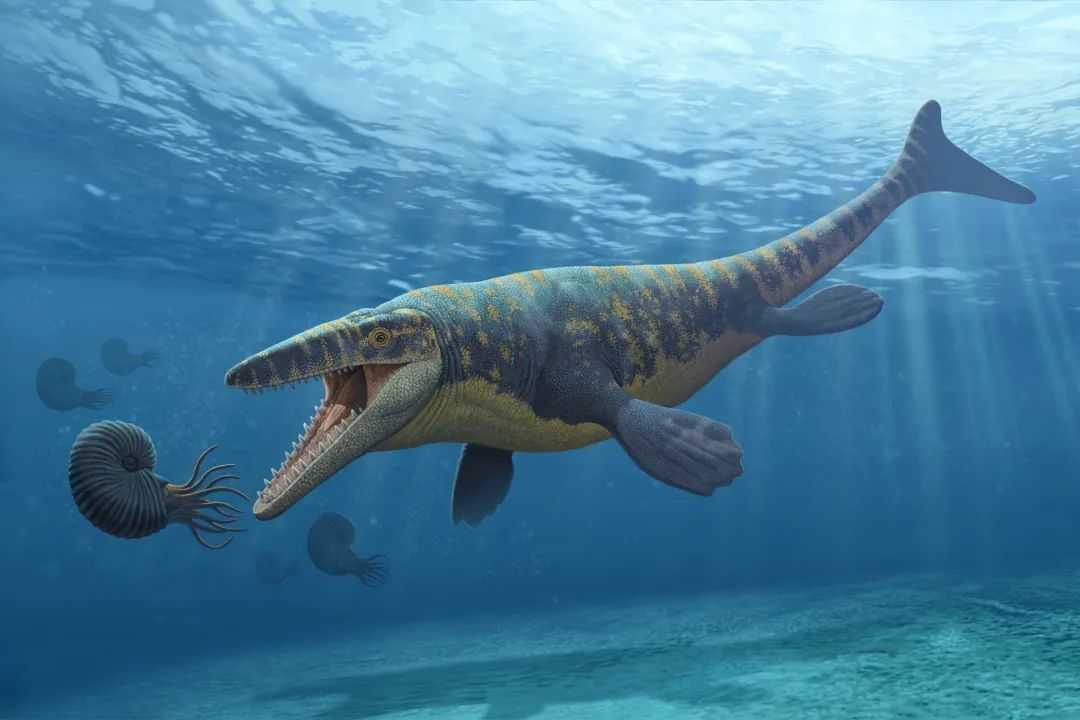
Dominating the oceans during the late Cretaceous period, Mosasaurus stood as a fearsome marine reptile, measuring over 17 meters in length and reigning as the undisputed apex predator of its time. Unlike modern marine creatures, this colossal beast traced its evolutionary roots to small, land-dwelling lizards, a transformation that culminated in one of the most successful oceanic conquests in prehistory.

Mosasaurus’s anatomy was a masterpiece of adaptation for marine dominance. Its flattened, like tail acted as a powerful paddle, generating thrust to propel it through water at surprising speeds, while four flipper-like limbs (evolved from terrestrial feet) provided unmatched agility. A thick, muscular neck supported a massive head equipped with shark-like jaws lined with conical teeth, perfect for crushing the bones of prey like plesiosaurs and other marine reptiles. This combination of speed, strength, and ferocity made it the ultimate hunter of the Cretaceous seas.


What makes Mosasaurus even more remarkable is its evolutionary journey. Scientists believe its ancestors were small, land-dwelling lizards no more than 1 meter long that ventured into the water for survival. Over millions of years, they evolved into streamlined swimmers, shedding their terrestrial traits in favor of adaptations for deep-sea life. By the late Cretaceous, Mosasaurus had risen to the top of the food chain, embodying the pinnacle of reptilian evolution in the ocean. Though its reign ended with the mass extinction event that wiped out the dinosaurs, its fossilized remains continue to awe researchers, offering a window into a world where giants ruled the waves and evolution turned humble lizards into marine monsters.
Latest Stories
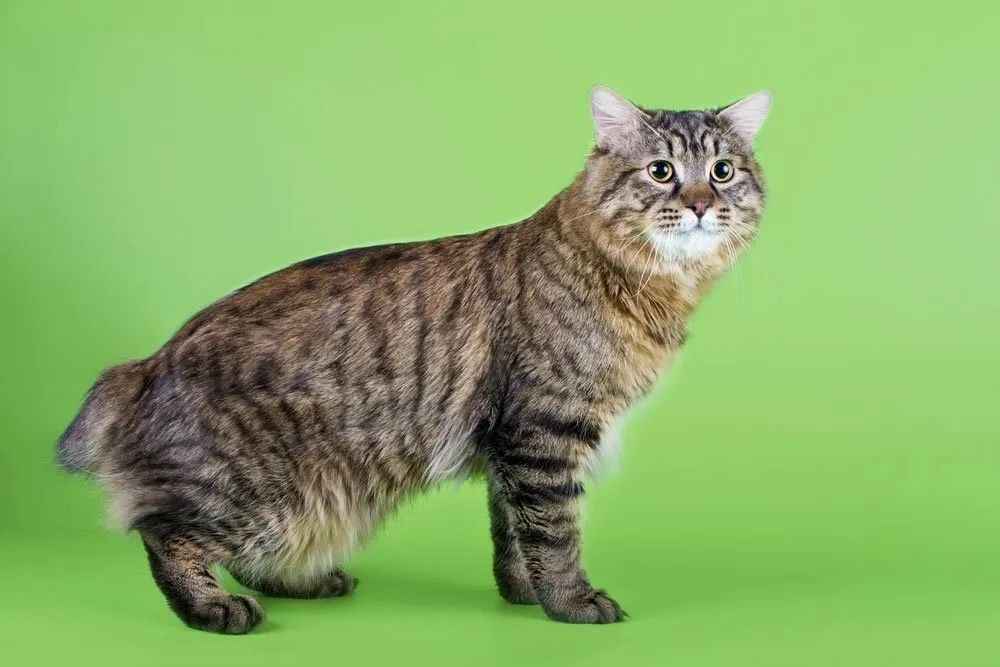
Feline News2 minute readThe Kurilian Bobtail Longhair, a captivating breed hailing from Russia’s Sakhalin Island and the Kuril Archipelago, has emerged as a fascinating subject in the international feline community. With its distinctive bobbed tail and striking appearance, this natural breed is garnering recognition for its unique history, robust health, and affectionate demeanor.
Life News2 minute readOn the streets and alleys of Italy, gelato is more than just a refreshing dessert; it is a vivid embodiment of the country's culinary philosophy. Compared to the common American ice cream, this Italian classic has become an irreplaceable culinary symbol in the hearts of food lovers worldwide, thanks to its unique craftsmanship and texture.
Feline News2 minute readIn 1982, a bald kitten with an unusual genetic mutation emerged in a barn on an Oregon cherry farm, marking the accidental birth of one of the world’s most distinctive feline breeds—the LaPerm. This curly-coated wonder, named for its "wavy" or "rippled" fur, has since captivated cat lovers globally with its unique appearance and playful personality .
Feline News1 minute readThe Brazilian Shorthair, a distinctive feline breed native to Brazil, has captivated cat enthusiasts with its charming personality and adaptable nature. Originating from the country's street cats, the breed was formally recognized in the 1980s after decades of selective breeding to preserve its unique traits.
Feline News1 minute readIn recent days, a cat named Marguerite has quietly risen to fame in a suburban community. The 3-year-old orange-and-white feline, once a street stray, has now become a "heartwarming bond" connecting neighbors.
Feline News2 minute readOriginating from the city of Rostov-on-Don in Russia, the Donskoy cat, also known as the Don Sphynx, has captivated feline enthusiasts worldwide with its unique appearance and affectionate demeanor. First discovered in 1987 when Professor Elena Kovaleva rescued a hairless kitten named Varvara, the breed emerged from a natural genetic mutation that resulted in a lack of fur. Varvara’s subsequent litters produced both haired and hairless kittens, leading breeder Irina Nemykina to develop the Donskoy through selective breeding with European Shorthairs. Recognized by The International Cat Associat
Feline News2 minute readThe Nebelung, a captivating feline often mistaken for the Russian Blue, is a rare breed celebrated for its striking appearance and gentle demeanor. Originating in the U.S. during the 1980s, this breed emerged from intentional crossbreeding to replicate the elegance of Victorian-era long-haired blue cats. Named after the German word "nebel" (meaning "mist"), the Nebelung’s silvery-tipped blue-gray coat evokes a misty aura, while its green or yellow-green eyes add to its enigmatic charm.