Trachyphyllia Geoffroyi: The Enigmatic "Eight-Shaped" Brain Coral of Tropical Reefs


Marine Biology
Trachyphyllia Geoffroyi: The Enigmatic "Eight-Shaped" Brain Coral of Tropical Reefs

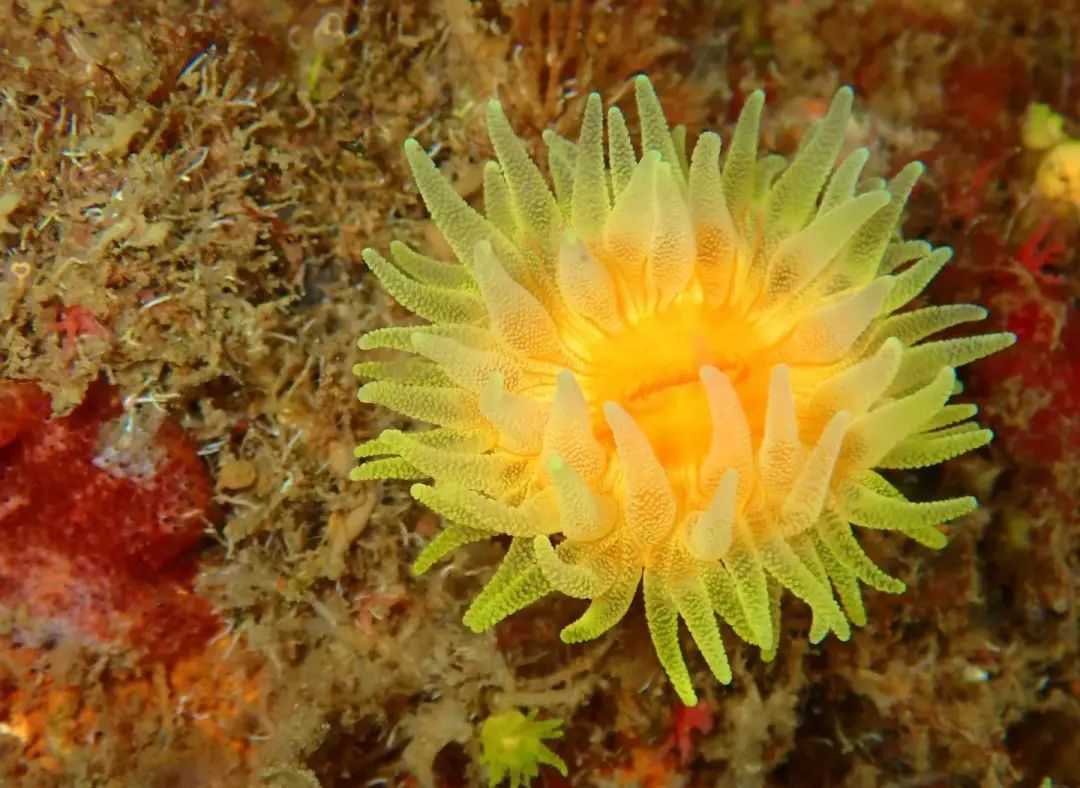
Trachyphyllia geoffroyi, commonly known as the open brain coral or "eight-shaped" brain coral, is a striking representative of the Merulinidae family within the class Anthozoa. Thriving in the shallow tropical sands and reef zones of Indonesia and other warm coastal regions, this coral earns its name from its skeletal structure, which famously resembles the numeral "8." Unlike many corals, its growth pattern transforms a simple conical base into a complex, symmetrical form that captivates both scientists and enthusiasts.


The coral’s skeleton begins as a modest cone but evolves into a distinct "8" or cloverleaf shape, adorned with deep, labyrinthine folds that create a texture akin to a brain’s gyri. Its surface is a canvas of vivid hues, ranging from fluorescent green and vibrant red to soft pink, electric blue, and earthy brown. Some specimens blend these colors in intricate gradients or marbled patterns, resembling abstract paintings crafted by nature. This visual spectacle makes Trachyphyllia geoffroyi one of the most sought-after attractions in underwater landscapes, drawing divers to marvel at its artistic elegance.


Beyond its aesthetic appeal, the eight-shaped brain coral is celebrated for its hardiness, thriving in environments where other corals might struggle. Its robust structure and symbiotic relationship with photosynthetic algae (zooxanthellae) enable it to withstand moderate disturbances, making it a popular choice in reef aquariums. However, like all coral species, it faces existential threats from climate change, ocean acidification, and overcollection for the aquarium trade. Conservation initiatives emphasize sustainable practices and habitat protection to preserve these living masterpieces. As both a symbol of marine biodiversity and a testament to nature’s creativity, Trachyphyllia geoffroyi reminds us of the urgent need to safeguard Earth’s fragile coral ecosystems before their vibrant beauty fades into memory.
Latest Stories
Feline News2 minute readThe Kurilian Bobtail Longhair, a captivating breed hailing from Russia’s Sakhalin Island and the Kuril Archipelago, has emerged as a fascinating subject in the international feline community. With its distinctive bobbed tail and striking appearance, this natural breed is garnering recognition for its unique history, robust health, and affectionate demeanor.
Life News2 minute readOn the streets and alleys of Italy, gelato is more than just a refreshing dessert; it is a vivid embodiment of the country's culinary philosophy. Compared to the common American ice cream, this Italian classic has become an irreplaceable culinary symbol in the hearts of food lovers worldwide, thanks to its unique craftsmanship and texture.
Feline News2 minute readIn 1982, a bald kitten with an unusual genetic mutation emerged in a barn on an Oregon cherry farm, marking the accidental birth of one of the world’s most distinctive feline breeds—the LaPerm. This curly-coated wonder, named for its "wavy" or "rippled" fur, has since captivated cat lovers globally with its unique appearance and playful personality .
Feline News1 minute readThe Brazilian Shorthair, a distinctive feline breed native to Brazil, has captivated cat enthusiasts with its charming personality and adaptable nature. Originating from the country's street cats, the breed was formally recognized in the 1980s after decades of selective breeding to preserve its unique traits.
Feline News1 minute readIn recent days, a cat named Marguerite has quietly risen to fame in a suburban community. The 3-year-old orange-and-white feline, once a street stray, has now become a "heartwarming bond" connecting neighbors.
Feline News2 minute readOriginating from the city of Rostov-on-Don in Russia, the Donskoy cat, also known as the Don Sphynx, has captivated feline enthusiasts worldwide with its unique appearance and affectionate demeanor. First discovered in 1987 when Professor Elena Kovaleva rescued a hairless kitten named Varvara, the breed emerged from a natural genetic mutation that resulted in a lack of fur. Varvara’s subsequent litters produced both haired and hairless kittens, leading breeder Irina Nemykina to develop the Donskoy through selective breeding with European Shorthairs. Recognized by The International Cat Associat
Feline News2 minute readThe Nebelung, a captivating feline often mistaken for the Russian Blue, is a rare breed celebrated for its striking appearance and gentle demeanor. Originating in the U.S. during the 1980s, this breed emerged from intentional crossbreeding to replicate the elegance of Victorian-era long-haired blue cats. Named after the German word "nebel" (meaning "mist"), the Nebelung’s silvery-tipped blue-gray coat evokes a misty aura, while its green or yellow-green eyes add to its enigmatic charm.