Exclusive: European Burmese Cat Breed – A Graceful Feline with a Rich Heritage


Feline News
Exclusive: European Burmese Cat Breed – A Graceful Feline with a Rich Heritage

The European Burmese cat, a breed born from careful crossbreeding in mid-20th century Europe, has captivated cat enthusiasts with its elegant physique and affectionate nature. Originating from the American Burmese stock imported to the UK, European breeders sought to diversify the gene pool by introducing Siamese and British Shorthair bloodlines, resulting in a distinct feline with refined features. Recognized by major associations like the CFA since 2002, this breed stands out for its sleek, muscular build and striking golden or amber almond-shaped eyes, which contrast sharply with the rounde

Distinctive Appearance and Coat

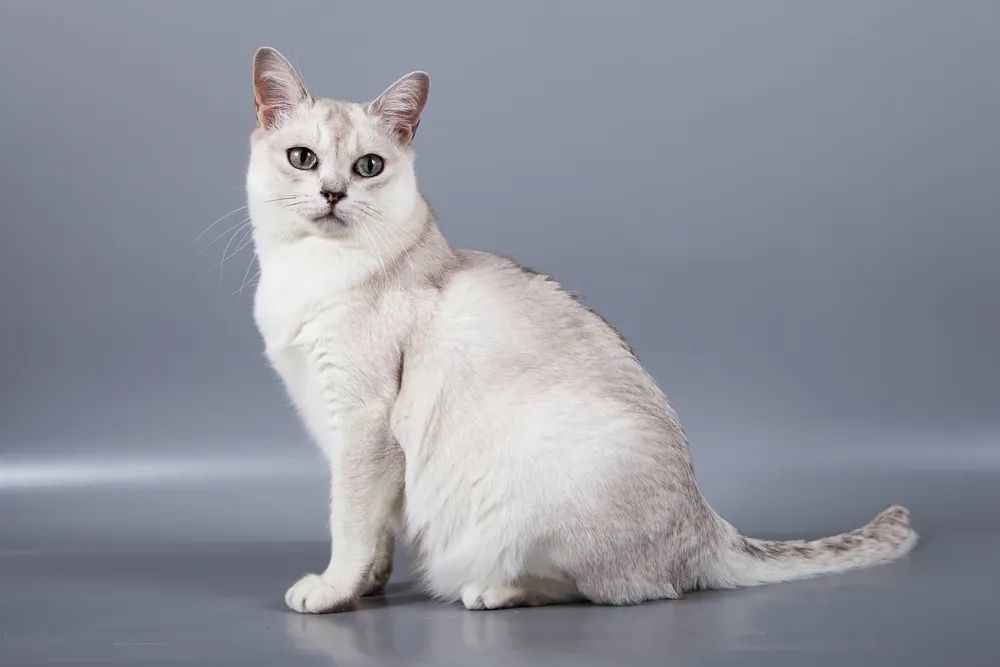
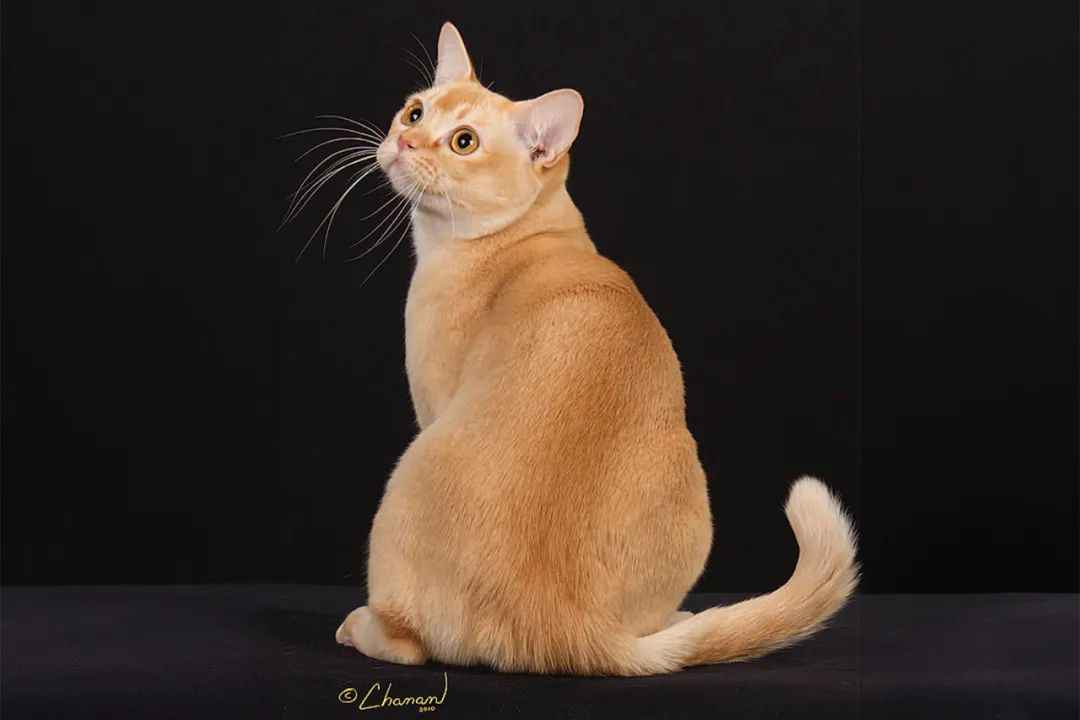
The European Burmese boasts a short, glossy coat in ten officially recognized colors, including brown, chocolate, blue, and tortoiseshell patterns—a significant departure from the limited palette of American Burmese cats. Its wedge-shaped head, high cheekbones, and slender limbs give it a regal stance, while the coat’s satin-like texture requires minimal grooming, appealing to busy households. Males typically weigh 3.5–7.5 kg, with females slightly smaller, embodying a balance of agility and grace.

Temperament and Social Dynamics

Known for their dog-like loyalty, European Burmese cats thrive on human interaction and form deep bonds with their families. They are highly intelligent, playful, and adaptable, making them ideal companions for households with children or other pets. However, their sociable nature means they may develop separation anxiety if left alone for extended periods, highlighting the need for consistent companionship. Their vocalizations, softer than Siamese counterparts, add to their charm without overwhelming owners.

Health Considerations

While generally robust, the breed is predisposed to certain genetic conditions. European Burmese cats, particularly those in the UK and Australia, face a fourfold increased risk of diabetes mellitus compared to other felines. Breeders also monitor for rare but severe issues like Burmese head defect, a congenital abnormality affecting skull development, and hypokalemia, a potassium deficiency causing muscle weakness. Regular veterinary check-ups and a balanced diet rich in protein are essential for maintaining their health.

A Breed with Historical Significance

The European Burmese played a pivotal role in revitalizing the Burmese gene pool during the mid-20th century, preventing inbreeding-related health crises. Today, their popularity continues to grow, with breeders worldwide preserving their unique traits. Whether gracing cat shows or curling up on a lap at home, the European Burmese remains a testament to the art of selective breeding and the enduring appeal of a feline companion that combines beauty, intelligence, and unwavering loyalty.
Latest Stories
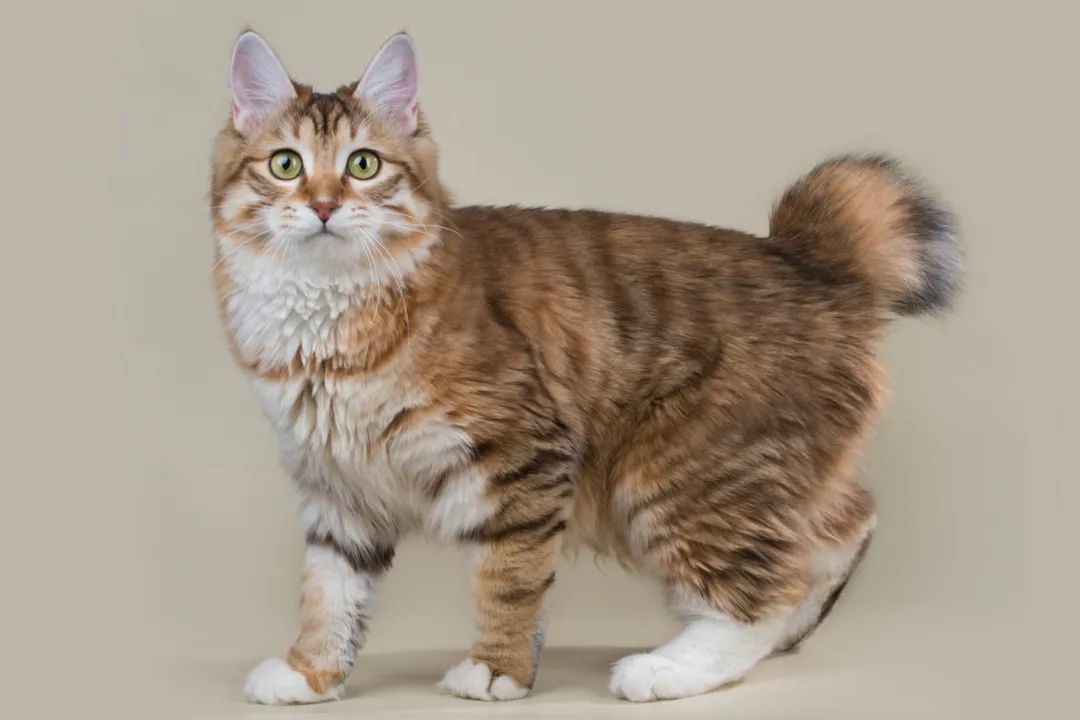
Feline News2 minute readThe Kurilian Bobtail Longhair, a captivating breed hailing from Russia’s Sakhalin Island and the Kuril Archipelago, has emerged as a fascinating subject in the international feline community. With its distinctive bobbed tail and striking appearance, this natural breed is garnering recognition for its unique history, robust health, and affectionate demeanor.
Life News2 minute readOn the streets and alleys of Italy, gelato is more than just a refreshing dessert; it is a vivid embodiment of the country's culinary philosophy. Compared to the common American ice cream, this Italian classic has become an irreplaceable culinary symbol in the hearts of food lovers worldwide, thanks to its unique craftsmanship and texture.
Feline News2 minute readIn 1982, a bald kitten with an unusual genetic mutation emerged in a barn on an Oregon cherry farm, marking the accidental birth of one of the world’s most distinctive feline breeds—the LaPerm. This curly-coated wonder, named for its "wavy" or "rippled" fur, has since captivated cat lovers globally with its unique appearance and playful personality .
Feline News1 minute readThe Brazilian Shorthair, a distinctive feline breed native to Brazil, has captivated cat enthusiasts with its charming personality and adaptable nature. Originating from the country's street cats, the breed was formally recognized in the 1980s after decades of selective breeding to preserve its unique traits.
Feline News1 minute readIn recent days, a cat named Marguerite has quietly risen to fame in a suburban community. The 3-year-old orange-and-white feline, once a street stray, has now become a "heartwarming bond" connecting neighbors.
Feline News2 minute readOriginating from the city of Rostov-on-Don in Russia, the Donskoy cat, also known as the Don Sphynx, has captivated feline enthusiasts worldwide with its unique appearance and affectionate demeanor. First discovered in 1987 when Professor Elena Kovaleva rescued a hairless kitten named Varvara, the breed emerged from a natural genetic mutation that resulted in a lack of fur. Varvara’s subsequent litters produced both haired and hairless kittens, leading breeder Irina Nemykina to develop the Donskoy through selective breeding with European Shorthairs. Recognized by The International Cat Associat
Feline News2 minute readThe Nebelung, a captivating feline often mistaken for the Russian Blue, is a rare breed celebrated for its striking appearance and gentle demeanor. Originating in the U.S. during the 1980s, this breed emerged from intentional crossbreeding to replicate the elegance of Victorian-era long-haired blue cats. Named after the German word "nebel" (meaning "mist"), the Nebelung’s silvery-tipped blue-gray coat evokes a misty aura, while its green or yellow-green eyes add to its enigmatic charm.